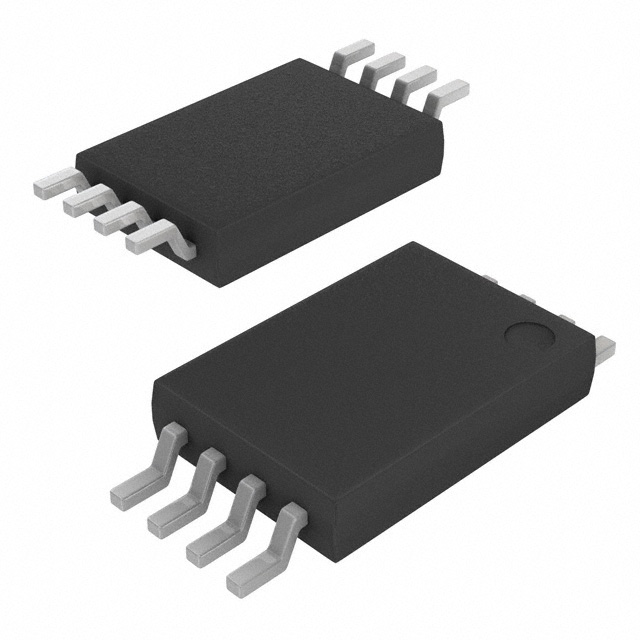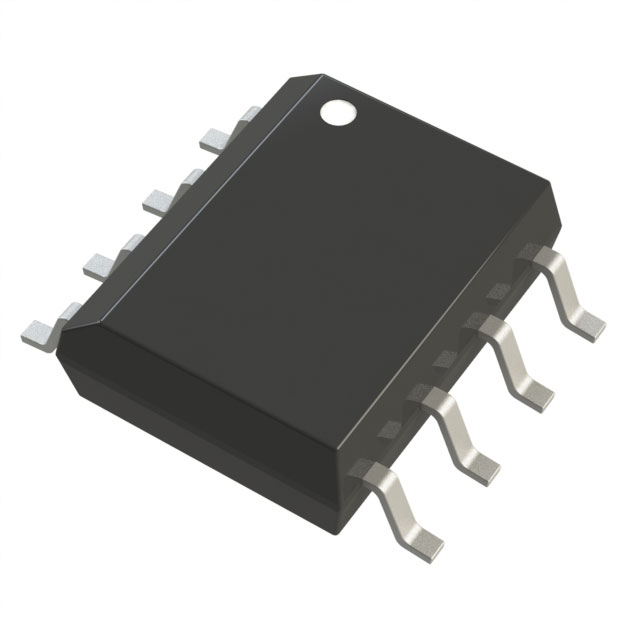
MC100EP16DG
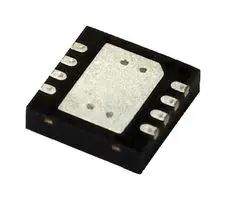
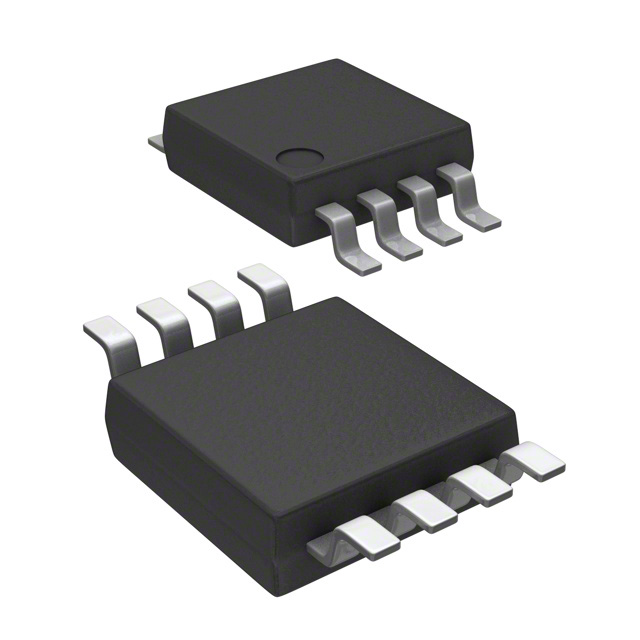
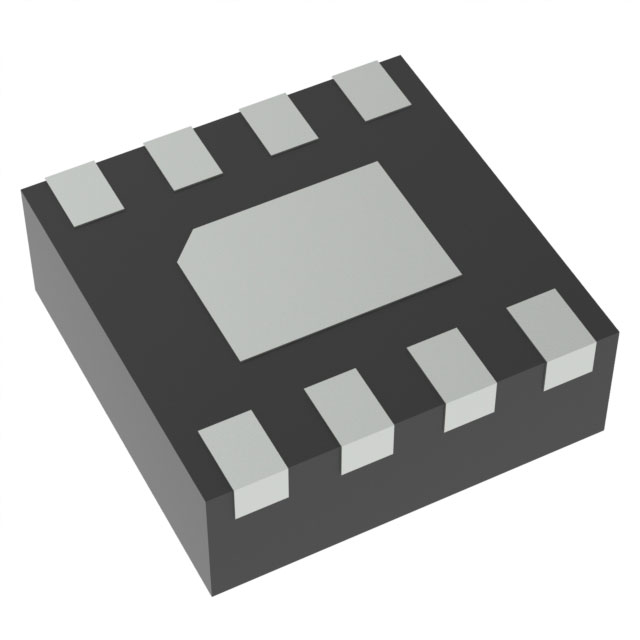
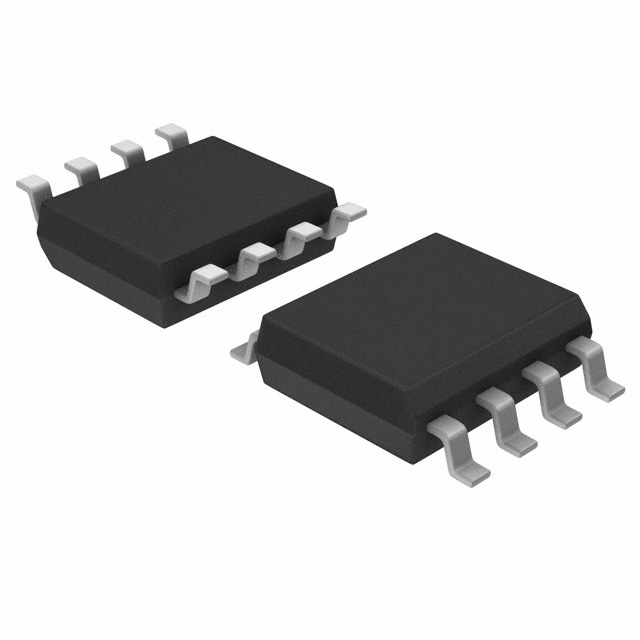
ActiveDIFFERENTIAL RECEIVER/DRIVER 8-PIN SOIC N RAIL
Deep-Dive with AI
Search across all available documentation for this part.
MC100EP16DG
ActiveDIFFERENTIAL RECEIVER/DRIVER 8-PIN SOIC N RAIL
Deep-Dive with AI
Technical Specifications
Parameters and characteristics for this part
| Specification | MC100EP16DG |
|---|---|
| Logic Type | Differential Receiver/Driver |
| Mounting Type | Surface Mount |
| Operating Temperature [Max] | 85 °C |
| Operating Temperature [Min] | -40 °C |
| Package / Case | 8-SOIC |
| Package / Case [x] | 0.154 in |
| Package / Case [y] | 3.9 mm |
| Supplier Device Package | 8-SOIC |
| Supply Voltage [Max] | 5.5 V |
| Supply Voltage [Min] | 3 V |
Pricing
Prices provided here are for design reference only. For realtime values and availability, please visit the distributors directly
Description
General part information
MC100EP16VA Series
The EP16VA is a world-class differential receiver/driver. The device is functionally equivalent to the EP16 and LVEP16 devices but with high gain output. QHGand QHGbar outputs have a DC gain several times larger than the DC gain of an EP16.The VBBpin, an internally generated voltage supply, is available to this device only. For single-ended input conditions, the unused differential input is connected to VBBas a switching reference voltage. VBBmay also rebias AC coupled inputs. When used, decouple VBBand VCCvia a 0.01 µF capacitor and limit current sourcing or sinking to 0.5 mA. When not used, VBBshould be left open.Under open input conditions (pulled to VEE) internal input clamps will force the QHGoutput LOW.Special considerations are required for differential inputs under No Signal conditions to prevent instability.The 100 Series contains temperature compensation.
Documents
Technical documentation and resources