DS1315E-5+
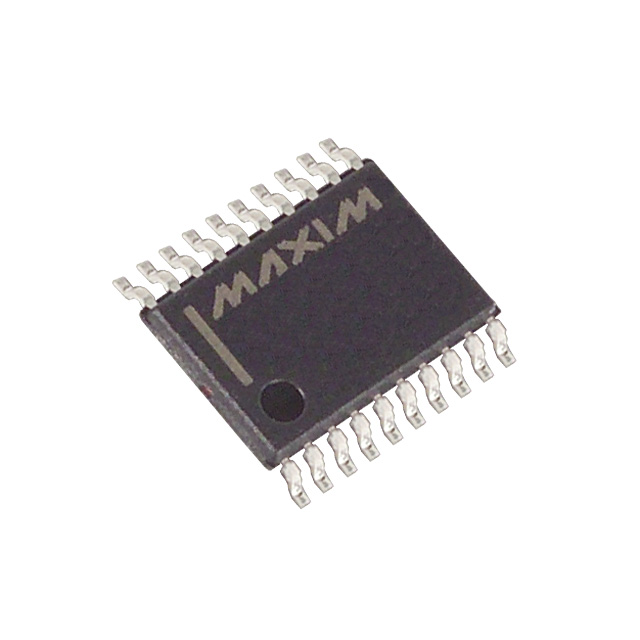
ActiveREAL TIME CLOCK PHANTOM CLOCK CLOCK/CALENDAR/BATTERY BACKUP 20-PIN TSSOP TUBE
Deep-Dive with AI
Search across all available documentation for this part.
DS1315E-5+
ActiveREAL TIME CLOCK PHANTOM CLOCK CLOCK/CALENDAR/BATTERY BACKUP 20-PIN TSSOP TUBE
Deep-Dive with AI
Technical Specifications
Parameters and characteristics for this part
| Specification | DS1315E-5+ |
|---|---|
| Current - Timekeeping (Max) | 1.3 mA |
| Date Format | YY-MM-DD-dd |
| Features | Leap Year |
| Interface | Parallel |
| Mounting Type | Surface Mount |
| Operating Temperature [Max] | 70 °C |
| Operating Temperature [Min] | 0 °C |
| Package / Case | 20-TSSOP |
| Package / Case [x] | 0.173 " |
| Package / Case [y] | 4.4 mm |
| Supplier Device Package | 20-TSSOP |
| Time Format | HH:MM:SS:hh (12/24 hr) |
| Type | Phantom Time Chip |
| Voltage - Supply [Max] | 5.5 V |
| Voltage - Supply [Min] | 4.5 V |
| Voltage - Supply, Battery [Max] | 3.7 V |
| Voltage - Supply, Battery [Min] | 2.5 V |
Pricing
Prices provided here are for design reference only. For realtime values and availability, please visit the distributors directly
| Distributor | Package | Quantity | $ | Updated |
|---|---|---|---|---|
| Digikey | Tube | 1 | $ 33.23 | <4d |
| 10 | $ 26.95 | |||
| 74 | $ 23.97 | |||
| 148 | $ 23.27 | |||
| 296 | $ 22.70 | |||
Description
General part information
DS1315 Series
The DS1315 Phantom Time Chip is a combination of a CMOS timekeeper and a nonvolatile memory controller. In the absence of power, an external battery maintains the timekeeping operation and provides power for a CMOS static RAM. The watch keeps track of hundredths of seconds, seconds, minutes, hours, day, date, month, and year information. The last day of the month is automatically adjusted for months with less than 31 days, including leap year correction. The watch operates in one of two formats: a 12-hour mode with an AM/PM indicator or a 24-hour mode. The nonvolatile controller supplies all the necessary support circuitry to convert a CMOS RAM to a nonvolatile memory. The DS1315 can be interfaced with either RAM or ROM without leaving gaps in memory.