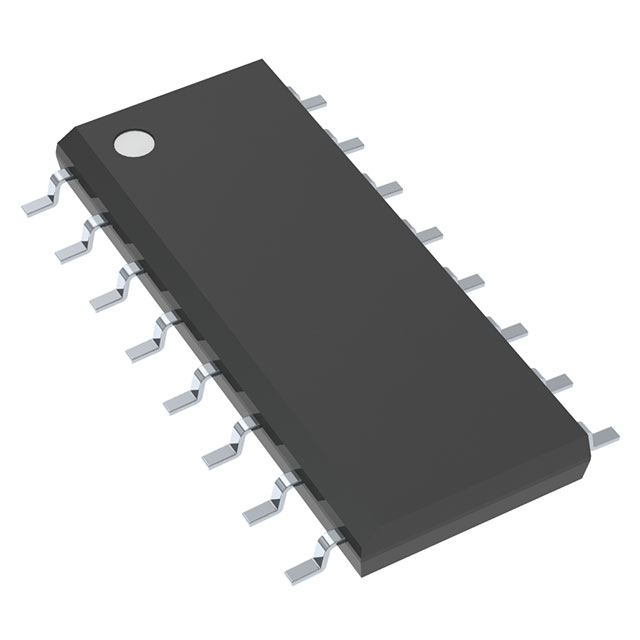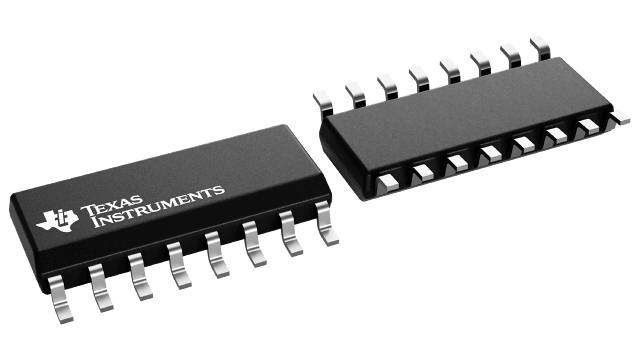
BQ2012SN-D107TR
ActiveNICD/NIMH GAS GAUGE WITH 1-WIRE (DQ) INTERFACE, 5 LED DRIVERS AND SLOW-CHARGE CONTROL
Deep-Dive with AI
Search across all available documentation for this part.
BQ2012SN-D107TR
ActiveNICD/NIMH GAS GAUGE WITH 1-WIRE (DQ) INTERFACE, 5 LED DRIVERS AND SLOW-CHARGE CONTROL
Deep-Dive with AI
Technical Specifications
Parameters and characteristics for this part
| Specification | BQ2012SN-D107TR |
|---|---|
| Battery Chemistry | Multi-Chemistry |
| Function | Battery Monitor |
| Interface | Serial |
| Mounting Type | Surface Mount |
| Operating Temperature [Max] | 70 °C |
| Operating Temperature [Min] | 0 °C |
| Package / Case | 16-SOIC |
| Package / Case [x] | 0.154 in |
| Package / Case [y] | 3.9 mm |
| Supplier Device Package | 16-SOIC |
Pricing
Prices provided here are for design reference only. For realtime values and availability, please visit the distributors directly
| Distributor | Package | Quantity | $ | |
|---|---|---|---|---|
| Digikey | Tape & Reel (TR) | 2500 | $ 14.67 | |
| Texas Instruments | LARGE T&R | 1 | $ 19.14 | |
| 100 | $ 16.72 | |||
| 250 | $ 12.89 | |||
| 1000 | $ 11.53 | |||
Description
General part information
BQ2012 Series
The bq2012 Gas Gauge IC is intended for battery-pack or in-system installation to maintain an accurate record of available battery charge. The IC monitors a voltage drop across a sense resistor connected in series between the negative battery terminal and ground to determine charge and discharge activity of the battery.
Self-discharge of NiMH and NiCd batteries is estimated based on an internal timer and temperature sensor. Compensations for battery temperature and rate of charge or discharge are applied to the charge, discharge, and self-discharge calculations to provide available charge information across a wide range of operating conditions. Battery capacity is automatically recalibrated, or "learned," in the course of a discharge cycle from full to empty.
The bq2012 includes a charge control output that, when used with other full-charge safety termination methods, can provide a cost-effective means of controlling charge based on the battery’s charge state.
Documents
Technical documentation and resources