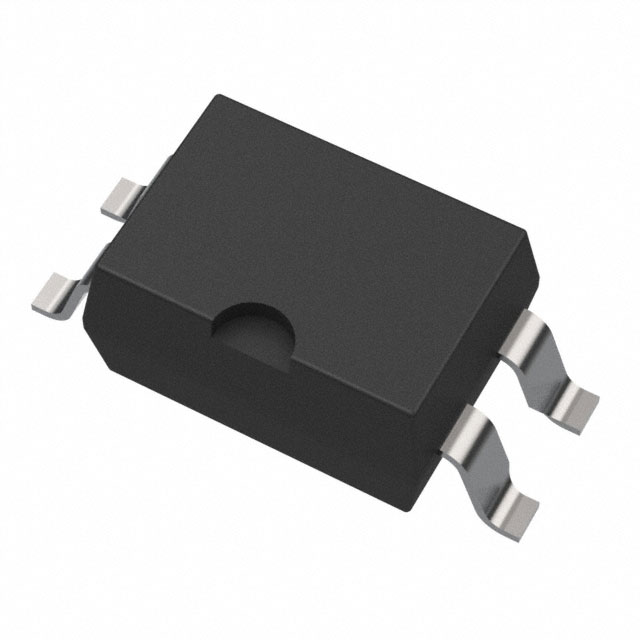
CPC1394GR
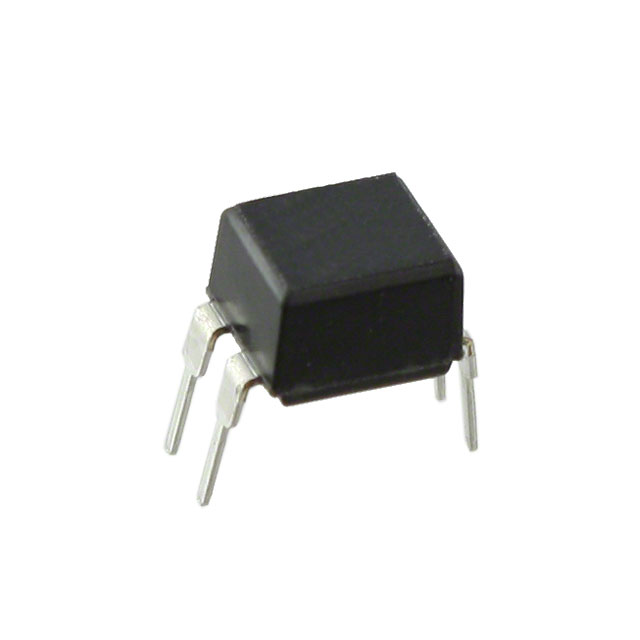
Active1-FORM-A OPTOMOS 600V 35 OHMS 4L SMD/ TUBE
Deep-Dive with AI
Search across all available documentation for this part.
CPC1394GR
Active1-FORM-A OPTOMOS 600V 35 OHMS 4L SMD/ TUBE
Technical Specifications
Parameters and characteristics for this part
| Specification | CPC1394GR |
|---|---|
| Approval Agency | CSA, TUV, UL |
| Load Current | 120 mA |
| Mounting Type | Surface Mount |
| On-State Resistance (Max) [Max] | 35 Ohm |
| Operating Temperature [Max] | 85 °C |
| Operating Temperature [Min] | -40 °C |
| Output Type | DC, AC |
| Package / Case | 4-SMD |
| Package / Case | 7.62 mm, 0.3 in |
| Supplier Device Package | 4-SOP |
| Termination Style | Gull Wing |
| Voltage - Input | 1.2 VDC |
| Voltage - Load [Max] | 600 V |
| Voltage - Load [Min] | 0 V |
Pricing
Prices provided here are for design reference only. For realtime values and availability, please visit the distributors directly
Description
General part information
CPC1394 Series
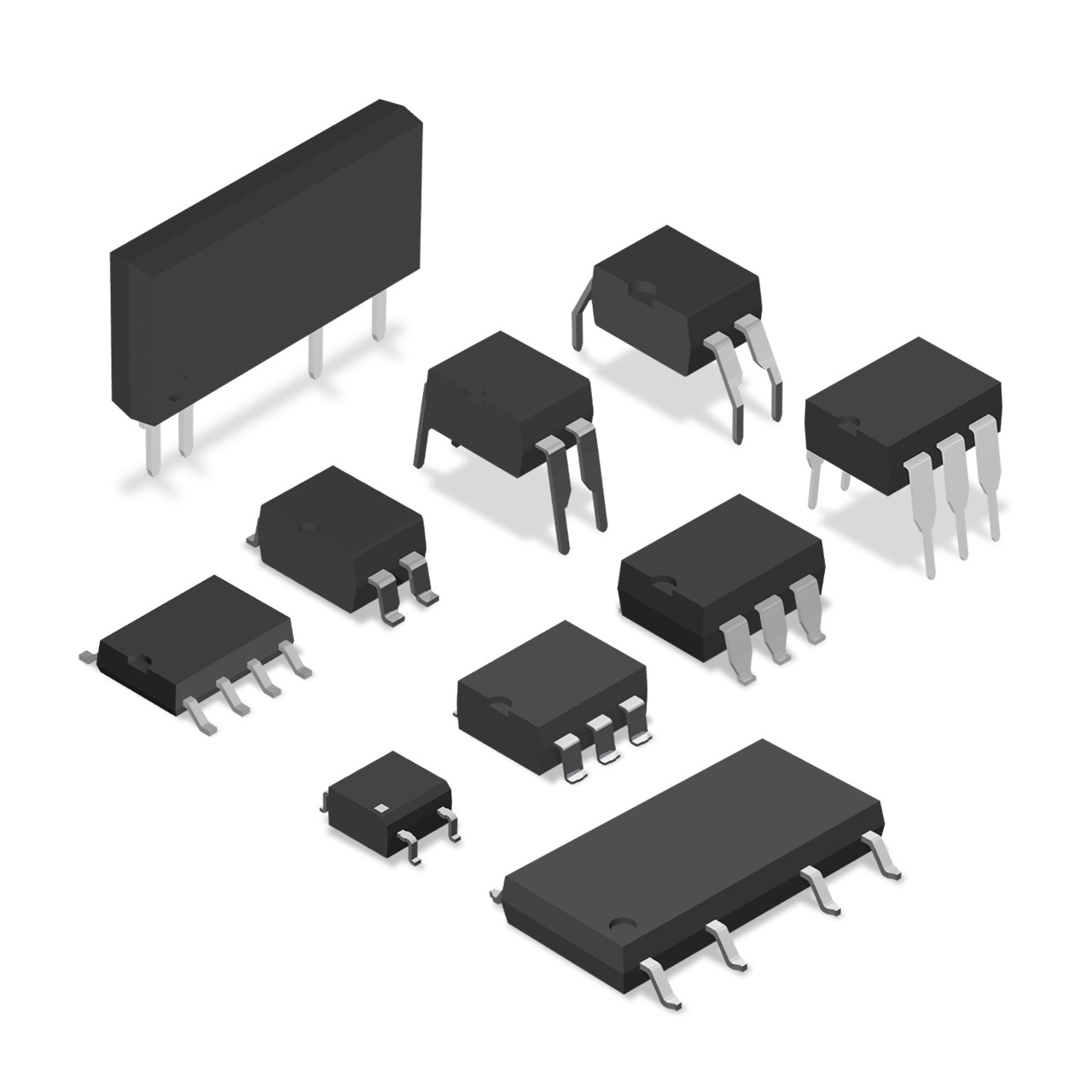
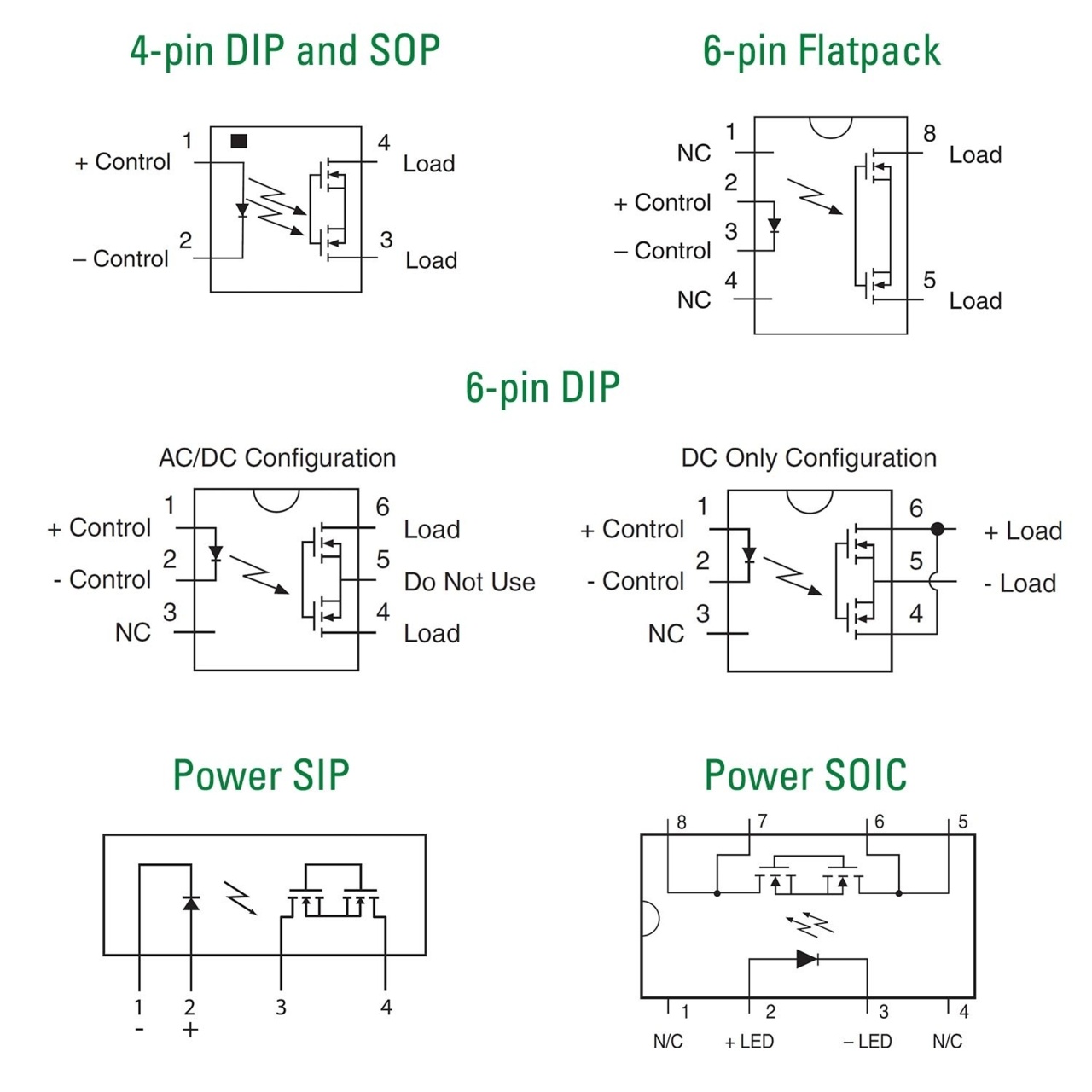
The OptoMOS® line of solid state relays uses discrete semiconductor components and the patented OptoMOS® architecture to deliver fast, reliable, bounce-free switching in a compact design. From one of the world's smallest single-pole, 4-pin relays to multi-pole and multi-function devices, OptoMOS® products are an ideal solid state replacement for larger reed and electromechanical relays. Compared to these old electromagnetic technologies, our OptoMOS® relays offer significantly lower drive current, small package size, no susceptibility to magnetic interaction, and solid state reliability. All of these are key requirements for the design of today's complex, low-power, multi-channel products. The small 4-pin SOP relays combine our state-of-the-art double-molded, vertical-construction packaging with high performance to give you a reliable product with up to 20% savings in board space compared to other 4-pin products. The dual-pole OptoMOS® relays combine two independent relays into a single 8-pin package, paving the way for designers to condense more functionality into a single component. And the common-input OptoMOS® relays provide a design alternative where two independent outputs are driven by the same input signal.
Documents
Technical documentation and resources