DS28E38G+T
ActiveSECURITY ICS / AUTHENTICATION ICS DEEPCOVER SECURE ECDSA AUTHENTICATOR WITH CHIPDNA PUF PROTECTION
Deep-Dive with AI
Search across all available documentation for this part.
DS28E38G+T
ActiveSECURITY ICS / AUTHENTICATION ICS DEEPCOVER SECURE ECDSA AUTHENTICATOR WITH CHIPDNA PUF PROTECTION
Deep-Dive with AI
Technical Specifications
Parameters and characteristics for this part
| Specification | DS28E38G+T |
|---|---|
| Mounting Type | Surface Mount |
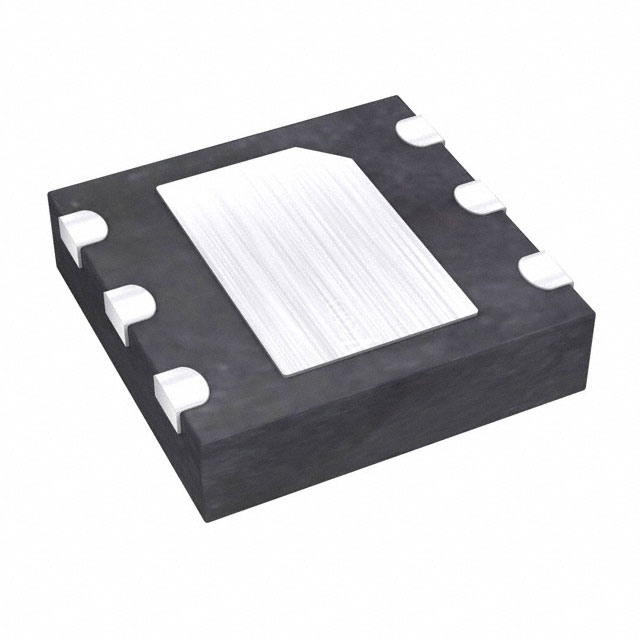
| Package / Case | 2-WDFN |
| Supplier Device Package | 2-SFN |
| Supplier Device Package [x] | 3.5 |
| Supplier Device Package [y] | 6.5 |
| Type | Authentication Chip |
Pricing
Prices provided here are for design reference only. For realtime values and availability, please visit the distributors directly
Description
General part information
DS28E38 Series
The DS28E38 is an ECDSA public key-based secure authenticator that incorporates Maxim’s patented ChipDNA™ PUF technology. ChipDNA technology involves a physically unclonable function (PUF) that enables the DS28E38 to deliver cost-effective protection against invasive physical attacks. Using the random variation of semiconductor device characteristics that naturally occur during wafer fabrication, the ChipDNA circuit generates a unique output value that is repeatable over time, temperature, and operating voltage. Attempts to probe or observe ChipDNA operation modifies the underlying circuit characteristics, preventing discovery of the unique value used by the chip cryptographic functions. The DS28E38 utilizes the ChipDNA output as key content to cryptographically secure all device stored data and optionally, under user control, as the private key for the ECDSA signing operation. With ChipDNA capability, the device provides a core set of cryptographic tools derived from integrated blocks including an asymmetric (ECC-P256) hardware engine, a FIPS/NIST-compliant true random number generator (TRNG), 2Kb of secured EEPROM, a decrement-only counter and a unique 64-bit ROM identification number (ROM ID). The ECC public/ private key capabilities operate from the NIST-defined P-256 curve to provide a FIPS 186-compliant ECDSA signature generation function. The unique ROM ID is used as a fundamental input parameter for cryptographic operations and serves as an electronic serial number within the application. The DS28E38 communicates over the single-contact 1-Wire®bus at both standard and overdrive speeds. The communication follows the 1-Wire protocol with the ROM ID acting as node address in the case of a multidevice 1-Wire network.Explore security topics and test drive secure authenticators with the Maxim Security LabApplicationsAuthentication of Medical Sensors and ToolsIoT Node AuthenticationPeripheral AuthenticationPrinter Cartridge Identification and AuthenticationReference Design License ManagementSecure Management of Limited Use Consumables