LM6142AIM/NOPB
ObsoleteDUAL, 24-V, 17-MHZ, LOW-POWER OPERATIONAL AMPLIFIER
Deep-Dive with AI
Search across all available documentation for this part.
LM6142AIM/NOPB
ObsoleteDUAL, 24-V, 17-MHZ, LOW-POWER OPERATIONAL AMPLIFIER
Technical Specifications
Parameters and characteristics for this part
| Specification | LM6142AIM/NOPB |
|---|---|
| Amplifier Type | General Purpose |
| Current - Input Bias | 174 nA |
| Current - Output / Channel | 24 mA |
| Current - Supply | 750 µA |
| Gain Bandwidth Product | 18 MHz |
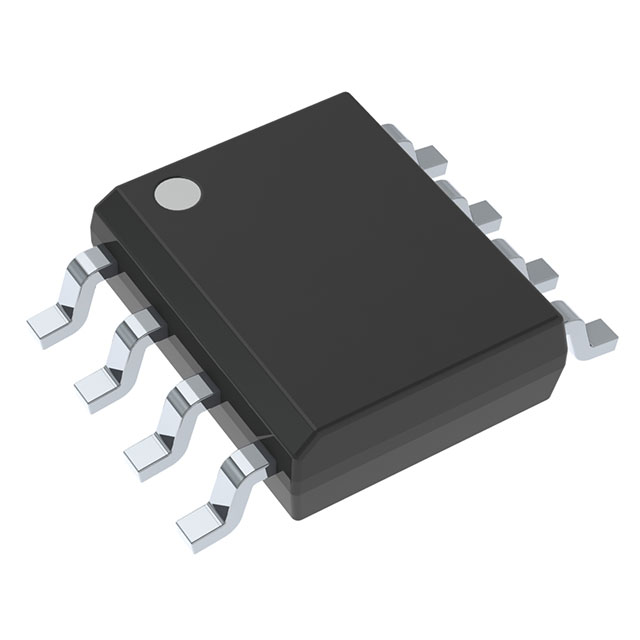
| Mounting Type | Surface Mount |
| Number of Circuits | 2 |
| Operating Temperature [Max] | 85 °C |
| Operating Temperature [Min] | -40 °C |
| Output Type | Rail-to-Rail |
| Package / Case | 8-SOIC |
| Package / Case [x] | 0.154 in |
| Package / Case [y] | 3.9 mm |
| Slew Rate | 25 V/µs |
| Supplier Device Package | 8-SOIC |
| Voltage - Input Offset | 1.3 mV |
| Voltage - Supply Span (Max) [Max] | 24 V |
| Voltage - Supply Span (Min) [Min] | 1.8 V |
Pricing
Prices provided here are for design reference only. For realtime values and availability, please visit the distributors directly
| Distributor | Package | Quantity | $ | |
|---|---|---|---|---|
| Texas Instruments | TUBE | 1 | $ 9.00 | |
| 100 | $ 6.93 | |||
| 250 | $ 5.10 | |||
| 1000 | $ 3.65 | |||
Description
General part information
LM6142 Series
Using patent pending new circuit topologies, the LM6142/LM6144 provides new levels of performance in applications where low voltage supplies or power limitations previously made compromise necessary. Operating on supplies of 1.8V to over 24V, the LM6142/LM6144 is an excellent choice for battery operated systems, portable instrumentation and others.
The greater than rail-to-rail input voltage range eliminates concern over exceeding the common-mode voltage range. The rail-to-rail output swing provides the maximum possible dynamic range at the output. This is particularly important when operating on low supply voltages.
High gain-bandwidth with 650μA/Amplifier supply current opens new battery powered applications where previous higher power consumption reduced battery life to unacceptable levels. The ability to drive large capacitive loads without oscillating functionally removes this common problem.
Documents
Technical documentation and resources