


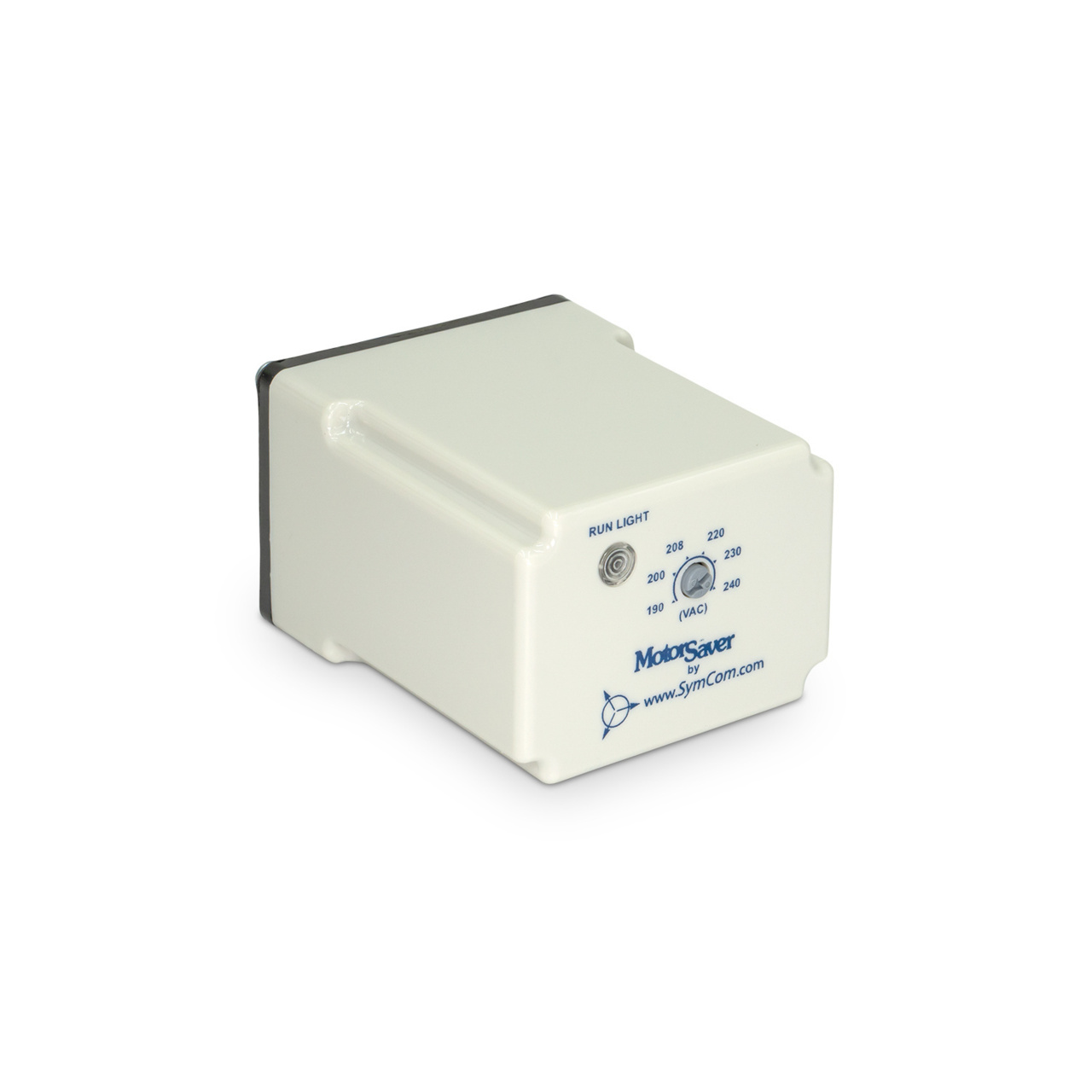
201-200-SP-DPDT
Active1-PH 8-PIN PLUG-IN VM / 190 -/ BOX
Deep-Dive with AI
Search across all available documentation for this part.
201-200-SP-DPDT
Active1-PH 8-PIN PLUG-IN VM / 190 -/ BOX
Deep-Dive with AI
Technical Specifications
Parameters and characteristics for this part
| Specification | 201-200-SP-DPDT |
|---|---|
| Circuit | DPDT (2 Form C) |
| Contact Rating @ Voltage | 10 A, 240 VAC |
| Delay Time | 4 Sec |
| Mounting Type | Socketable |
| Operating Temperature [Max] | 70 °C |
| Operating Temperature [Min] | -20 C |
| Trip Range [Max] | 240 V AC |
| Trip Range [Min] | 190 V AC |
| Trip Status | Energized Low |
| Type | Voltage Sensing AC |
| Voltage - Supply [Max] | 240 VAC |
| Voltage - Supply [Min] | 190 VAC |
Pricing
Prices provided here are for design reference only. For realtime values and availability, please visit the distributors directly
Description
General part information
201-200-SP-DPDT Series
The 201-xxx-SP-DPDT is an 8-pin octal-base, plug-in voltage monitor designed to protect single-phase motors regardless of size. The 201-100-SP-DPDT is used on 95-120VAC, 50/60Hz motors to prevent damage caused by low voltage. The 201-200-SP-DPDT is used on 190-240VAC, 50/60Hz motors. The units feature two isolated sets of contacts that are ideal for use with two control circuits with different voltages. The unique microcontroller-based voltage and voltage-sensing circuit constantly monitors the voltage to detect harmful power line conditions. When a harmful condition is detected, the relay’s output relays are deactivated after a specified trip delay. The output relays reactivate after power line conditions return to an acceptable level and a specified amount of time has elapsed (restart delay). The trip delay prevents nuisance tripping due to rapidly fluctuating power line conditions.
Documents
Technical documentation and resources