LM1971MX/NOPB
ActiveDIGITALLY-CONTROLLED 62 DB AUDIO ATTENUATOR WITH MUTE
Deep-Dive with AI
Search across all available documentation for this part.
LM1971MX/NOPB
ActiveDIGITALLY-CONTROLLED 62 DB AUDIO ATTENUATOR WITH MUTE
Deep-Dive with AI
Technical Specifications
Parameters and characteristics for this part
| Specification | LM1971MX/NOPB |
|---|---|
| Applications | Communication Systems |
| Function | Volume Control |
| Interface | SPI |
| Mounting Type | Surface Mount |
| Number of Channels | 1 |
| Operating Temperature [Max] | 85 °C |
| Operating Temperature [Min] | -40 °C |
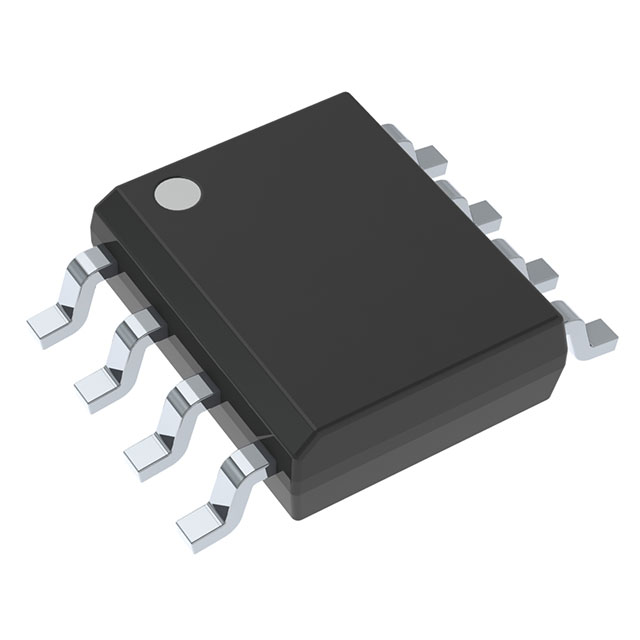
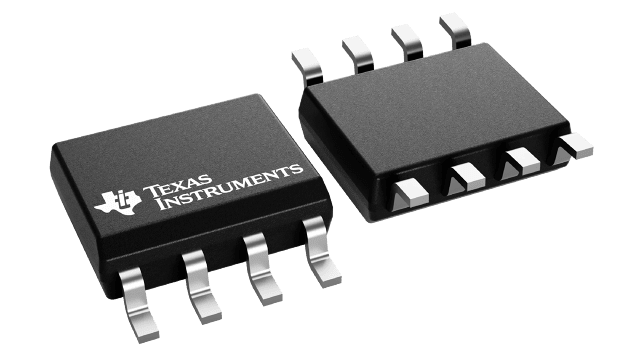
| Package / Case | 8-SOIC |
| Package / Case [x] | 0.154 in |
| Package / Case [y] | 3.9 mm |
| Specifications | 115 dB |
| Supplier Device Package | 8-SOIC |
| Voltage - Supply [Max] | 12 V |
| Voltage - Supply [Min] | 4.5 V |
Pricing
Prices provided here are for design reference only. For realtime values and availability, please visit the distributors directly
| Distributor | Package | Quantity | $ | |
|---|---|---|---|---|
| Digikey | Cut Tape (CT) | 1 | $ 2.29 | |
| 10 | $ 2.06 | |||
| 25 | $ 1.94 | |||
| 100 | $ 1.65 | |||
| 250 | $ 1.55 | |||
| 500 | $ 1.36 | |||
| 1000 | $ 1.13 | |||
| Digi-Reel® | 1 | $ 2.29 | ||
| 10 | $ 2.06 | |||
| 25 | $ 1.94 | |||
| 100 | $ 1.65 | |||
| 250 | $ 1.55 | |||
| 500 | $ 1.36 | |||
| 1000 | $ 1.13 | |||
| Tape & Reel (TR) | 2500 | $ 1.05 | ||
| 5000 | $ 1.01 | |||
| Texas Instruments | LARGE T&R | 1 | $ 1.52 | |
| 100 | $ 1.26 | |||
| 250 | $ 0.90 | |||
| 1000 | $ 0.68 | |||
Description
General part information
LM1971 Series
The LM1971 is a digitally controlled single channel audio attenuator fabricated on a CMOS process. Attenuation is variable in 1 dB steps from 0 dB to −62 dB. A mute function disconnects the input from the output, providing over 100 dB of attenuation.
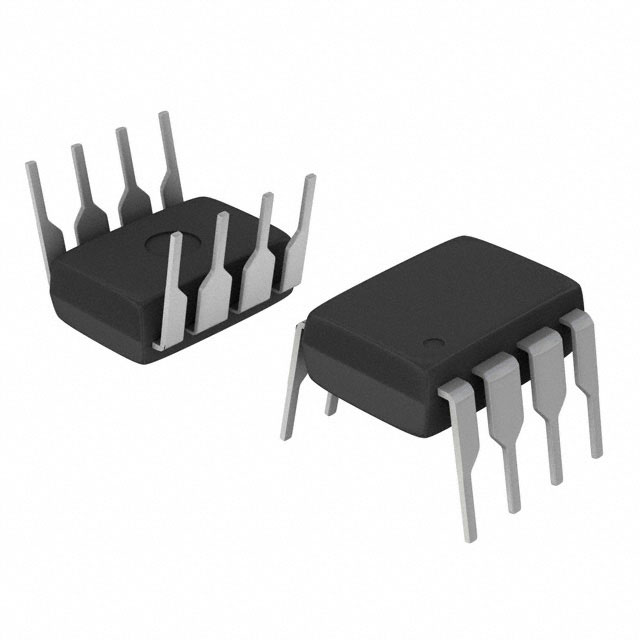
The performance of the device is exhibited by its ability to change attenuation levels without audible clicks or pops. In addition, the LM1971 features a low Total Harmonic Distortion (THD) of 0.0008%, and a Dynamic Range of 115 dB, making it suitable for digital audio needs. The LM1971 is available in both 8-pin plastic PDIP or SOIC packages.
The LM1971 is controlled by a TTL/CMOS compatible 3-wire serial digital interface. The active low LOAD line enables the data input registers while the CLOCK line provides system timing. Its DATA pin receives serial data on the rising edge of each CLOCK pulse, allowing the desired attenuation setting to be selected.
Documents
Technical documentation and resources