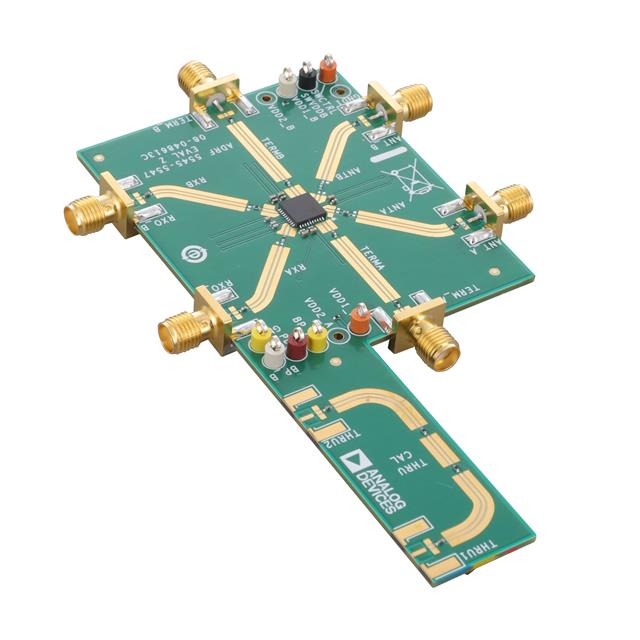
ADRF5549-EVALZ
ActiveADRF5549 EVAL BOARD
Deep-Dive with AI
Search across all available documentation for this part.
ADRF5549-EVALZ
ActiveADRF5549 EVAL BOARD
Deep-Dive with AI
Technical Specifications
Parameters and characteristics for this part
| Specification | ADRF5549-EVALZ |
|---|---|
| Contents | Board |
| For Use With/Related Products | ADRF5549 |
| Frequency (Max) | 2.8 GHz |
| Frequency (Min) | 1.8 GHz |
| Supplied Contents | Board(s) |
| Type | Front End |
| Utilized IC / Part | ADRF5549 |
Pricing
Prices provided here are for design reference only. For realtime values and availability, please visit the distributors directly
| Distributor | Package | Quantity | $ | Updated |
|---|---|---|---|---|
| Digikey | Box | 1 | $ 269.20 | 1m+ |
| N/A | 2 | $ 269.97 | 1m+ | |
CAD
3D models and CAD resources for this part
Description
General part information
ADRF5549 Series
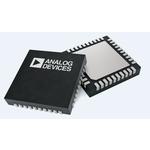
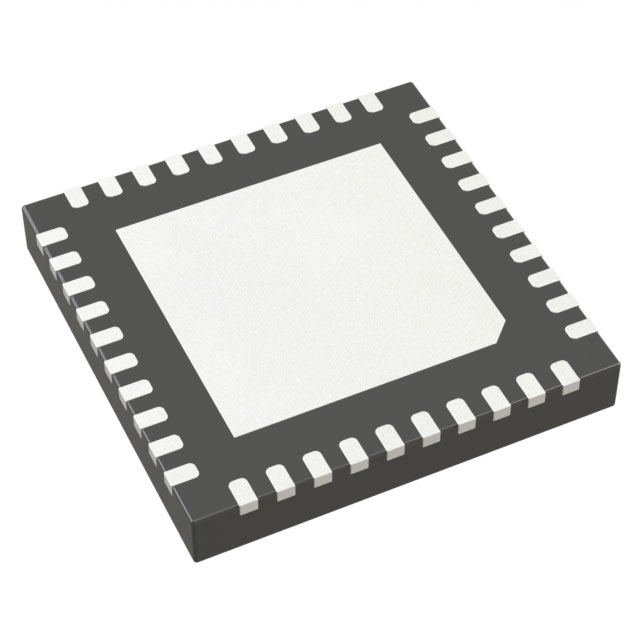
The ADRF5549 is a dual-channel, integrated, RF front-end multichip module designed for time division duplexing (TDD) applications that operates from 1.8 GHz to 2.8 GHz. The ADRF5549 is configured in dual channels with a cascading, two-stage, low noise amplifier (LNA) and a high power, silicon single-pole, double-throw (SPDT) switch.In high gain mode, the cascaded two-stage LNA and switch offer a low noise figure of 1.4 dB and a high gain of 35 dB with an output third-order intercept point (OIP3) of 32 dBm typical.In low gain mode, one stage of the two-stage LNA is in bypass mode providing 17 dB of gain at a lower current of 35 mA. In power-down mode, the LNAs are turned off, and the device draws 12 mA.In transmit operation, when RF inputs are connected to a termination pin (TERM-ChA or TERM-ChB), the switch provides a low insertion loss of 0.6 dB and handles a long-term evolution (LTE) full lifetime average (9 dB peak to average ratio (PAR)) of 40 dBm and 43 dBm for a 9 dB PAR LTE single event (<10 sec) average. The device comes in a RoHS-compliant, compact, 6 mm × 6 mm, 40-lead, lead frame chip-scale package (LFCSP).ApplicationsWireless InfrastructureTDD massive multiple input and multiple output (MIMO) and active antenna systemsTDD-based communication systems
Documents
Technical documentation and resources