MAX6676AUT3+T
ObsoleteSENSOR DIGITAL -40C-125C SOT23-6
Deep-Dive with AI
Search across all available documentation for this part.
MAX6676AUT3+T
ObsoleteSENSOR DIGITAL -40C-125C SOT23-6
Deep-Dive with AI
Technical Specifications
Parameters and characteristics for this part
| Specification | MAX6676AUT3+T |
|---|---|
| Accuracy - Highest (Lowest) | 5.5 °C, 1.5 °C |
| Features | Shutdown Mode |
| Mounting Type | Surface Mount |
| Operating Temperature [Max] | 125 °C |
| Operating Temperature [Min] | -40 C |
| Output Type | PWM |
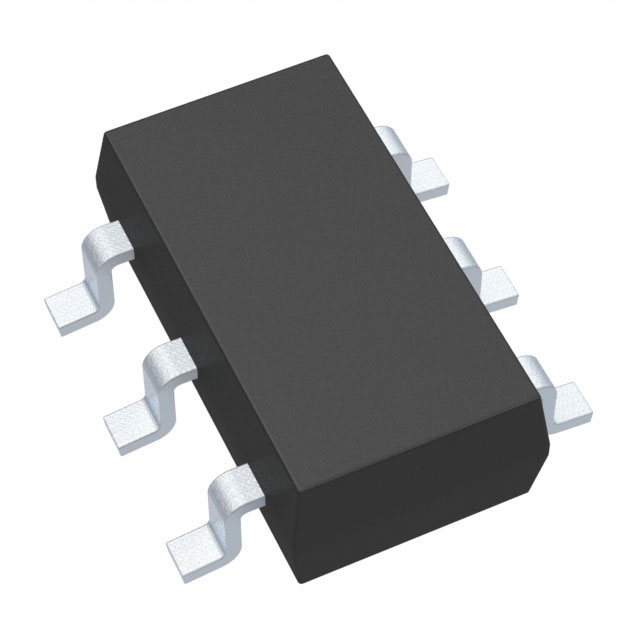
| Package / Case | SOT-23-6 |
| Sensing Temperature - Local [Max] | 125 °C |
| Sensing Temperature - Local [Min] | -40 °F |
| Sensor Type | Digital, Local |
| Supplier Device Package | SOT-6, SOT-23-6 |
| Test Condition | 25 °C |
| Voltage - Supply [Max] | 3.6 V |
| Voltage - Supply [Min] | 1.8 V |
Pricing
Prices provided here are for design reference only. For realtime values and availability, please visit the distributors directly
| Distributor | Package | Quantity | $ | |
|---|---|---|---|---|
| Digikey | N/A | 0 | $ 0.00 | |
Description
General part information
MAX667 Series
The MAX667 low-dropout, positive, linear voltage regulator supplies up to 250mA of output current. With no load, it has a typical quiescent current of 20µA. At 200mA of output current, the input/output voltage differential is typically 150mV. Other features include a low-voltage detector to indicate power failure, as well as early-warning and low-dropout detectors to indicate an imminent loss of output voltage regulation. A shutdown control disables the output and puts the circuit into a low quiescent-current mode.The MAX667 employs Dual Mode™ operation. One mode uses internally trimmed feedback resistors to produce +5V. In the other mode, the output may be varied from +1.3V to +16V by connecting two external resistors.The MAX667 is a pin-compatible upgrade to the MAX666 in most applications where the input voltages are above +3.5V. Choose the MAX667 when high output currents and/or low dropout voltages are desired, as well as for improved performance at higher temperatures.ApplicationsAutomotive ElectronicsPagers and Radio Control ReceiversPortable InstrumentationSolar-Powered Instruments
Documents
Technical documentation and resources