Zenode.ai Logo
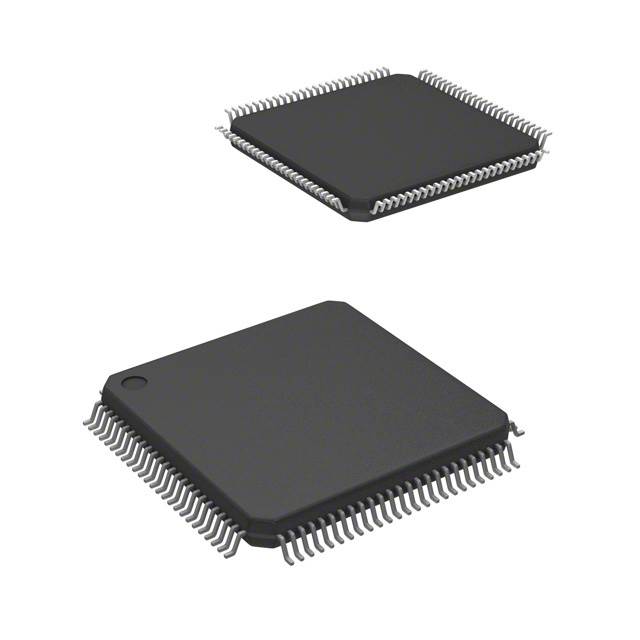
100-LQFP
Integrated Circuits (ICs)

ADSP-2189MKSTZ-300

Active
Analog Devices Inc./Maxim Integrated

16-BIT, 75 MIPS, 2.5V, 2 SERIAL PORTS, HOST PORT, 192 KB RAM

Deep-Dive with AI

Search across all available documentation for this part.

100-LQFP
Integrated Circuits (ICs)

ADSP-2189MKSTZ-300

Active
Analog Devices Inc./Maxim Integrated

16-BIT, 75 MIPS, 2.5V, 2 SERIAL PORTS, HOST PORT, 192 KB RAM

Technical Specifications

Parameters and characteristics for this part

SpecificationADSP-2189MKSTZ-300
Clock Rate (Frequency)75 MHz
InterfaceHost Interface, Serial Port
Mounting TypeSurface Mount
Non-Volatile Memory TypeExternal
On-Chip RAM192 kB
Operating Temperature (Max)70 °C
Operating Temperature (Min)0 °C
Package / Case100-LQFP
Package Length14 mm
Package Name100-LQFP
Package Width14 mm
TypeFixed Point
Voltage - Core2.5 V
Voltage - I/O3.3 V

Pricing

Prices provided here are for design reference only. For realtime values and availability, please visit the distributors directly

DistributorPackageQuantity$Updated
DigikeyTray 1$ 96.47<1d
10$ 82.33
25$ 78.40
100$ 73.96

CAD

3D models and CAD resources for this part

Description

General part information

ADSP-2189 Series

The ADSP-2189M is notable for its very large on-chip memory (1.5 MBits) and low power features (2.5v).The ADSP-2189M combines the ADSP-2100 family base architecture (three computational units, data address generators and a program sequencer) with two serial ports, a 16-bit internal DMA port, a byte DMA port, a programmable timer, Flag I/O, and extensive interrupt capabilities.BenefitsAlgebraic assembly language supports C language-style constructs for easy programming100-lead LQFP package provides for space and power savings (16mm x 16mm)On-chip RAM and 4 DMA ports make reprogramming easy16-bit DMA port makes bus interfacing easier5 sleep and powerdown modes maximize battery life.

Documents

Technical documentation and resources
An Almost Pure DDS Sine Wave Tone Generator

Related Document

Datasheet

Datasheet

EE-133: Converting From Legacy Architecture Files To Linker Description Files for the ADSP-218x

Application Note

EE-48: Converting Legacy 21xx Systems To A 218x System Design

Application Note

EE-60: Simulating an RS-232 UART Using the Synchronous Serial Ports on the ADSP-21xx Family DSPs

Application Note

EE-32: Language Extensions: Memory Storage Types, ASM & Inline Constructs

Application Note

EE-110: A Quick Primer on ELF and DWARF File Formats

Application Note

EE-153: ADSP-2191 Programmable PLL

Application Note

Apex-ICE USB Emulator Hardware Installation Guide (Rev.6.0)

Legacy Emulator Manual

EE-128: DSP in C++: Calling Assembly Class Member Functions From C++

Application Note

EE-125: ADSP-218x Embedded System Software Management and In-System-Programming (ISP)

Application Note

VisualDSP++ 3.5 Getting Started Guide for 16-Bit Processors (Rev.1.0)

Software Manual

VisualDSP++ 3.5 Linker and Utilities Manual for 16-Bit Processors (Rev.1.0)

Software Manual

EE-33: Programming The ADSP-21xx Timer In C

Application Note

ADSP-218x DSP Instruction Set Reference (Rev.2.0)

Processor Manual

EE-104: Setting Up Streams with the VisualDSP Debugger

Application Note

EE-123: An Overview of the ADSP-219x Pipeline

Application Note

EE-146: Implementing a Boot Manager for ADSP-218x Family DSPs

Application Note

EE-261: Understanding Jitter Requirements of PLL-Based Processors (Rev.1)

Application Note

EE-158: ADSP-2181 EZ-Kit Lite IDMA to PC Printer Port Interface

Application Note

ADSP-218X Family EZ-ICE Hardware Installation Guide (Rev.1.0, 2000)

Emulator Manual

EE-145: SPI Booting of the ADSP-2191 using the Atmel AD25020N on an EZ-KIT Lite Evaluation Board

Application Note

ADSP-2189M Anomaly List for Revision 0.0-0.4

Integrated Circuit Anomaly

EE-154: ADSP-2191 Host Port Interface

Application Note

EE-89: Implementing A Software UART on the ADSP-2181 EZ-Kit-Lite

Application Note

EE-37: How to Interface an LCD to the 21xx and 2106x Family DSP's

Application Note

EE-102: Mode D and ADSP-218x Pin Compatibility - the FAQs

Application Note

VisualDSP++ 3.5 C Compiler and Library Manual for ADSP-218x DSPs (Rev.4.1)

Software Manual

EE-164: Advanced EPROM Boot and No-boot Scenarios with ADSP-219x DSPs

Application Note

EE-142: Autobuffering, C and FFTs on the ADSP-218x

Application Note

EE-38: ADSP-2181 IDMA Port - Cycle Steal Timing

Application Note

ADSP-2189M EZ-KIT Lite®Evaluation System Manual (Rev.2.1)

User Guide

AN-524: ADV601/ADV611 Bin Width Calculation in ADSP-21xx DSP

Application Note

AN-227: Digital Control System Design with the ADSP-2100 Family

Application Note

EE-249: Implementing Software Overlays on ADSP-218x DSPs with VisualDSP++® (Rev.1)

Application Note

VisualDSP++ 3.5 C/C++ Compiler and Library Manual for ADSP-219x Processors (Rev.4.1)

Software Manual

EE-2: Using ADSP-218x I/O Space

Application Note

EE-129: ADSP-2192 Interprocessor Communication

Application Note

EE-122: Coding for Performance on the ADSP-219x

Application Note

EE-226: ADSP-2191 DSP Host Port Booting (Rev.1)

Application Note

VisualDSP++ 3.5 Assembler and Preprocessor Manual for ADSP-218x and ADSP-219x DSPs (Rev.1.2)

Software Manual

EE-12: Interrupts and Programmable Flags on the ADSP-2185/2186

Application Note

EE-35: Troubleshooting your ADSP-218x EZ-ICE

Application Note

Summit-ICE PCI Emulator Hardware Installation Guide (Rev.4)

Legacy Emulator Manual

EE-139: Interfacing the ADSP-2191 to an AD7476 via the SPI Port

Application Note

EE-18: Choosing and Using FFTs for ADSP-21xx

Application Note

EE-124: Booting up the ADSP-2192

Application Note

EE-11: ADSP-2181 Priority Chain & IDMA Holdoffs

Application Note

EE-144: Creating a Master-Slave SPI Interface Between Two ADSP-2191 DSPs

Application Note

EE-168: Using Third Overtone Crystals with the ADSP-218x DSP

Application Note

EE-90: Using the 21xx C-FFT Library

Application Note

EE-82: Using an ADSP-2181 DSP's IO Space to IDMA Boot Another ADSP-2181

Application Note

EE-100 Addendum: PM/DM Overlay and I/O Memory Expansion Board For The ADSP-2181 EZ-Kit Lite

Application Note

EE-39: Interfacing 5V Flash Memory to an ADSP-218x (Byte Programming Algorithm)

Application Note

Package Drawing - 100-Lead LQFP (14mm x 14mm)

Package Drawing

VisualDSP++ 3.5 Loader Manual for 16-Bit Processors (Rev.1.0)

Software Manual

EE-130: Making Fast Transition from ADSP-21xx to ADSP-219x

Application Note

EE-152: Using Software Overlays with the ADSP-219x and VisualDSP 2.0++

Application Note

EE-131: Booting the ADSP-2191/95/96 DSPs

Application Note

EE-74: Analog Devices Serial Port Development and Troubleshooting Guide

Application Note

EE-100: ADSP-218x External Overlay Memory

Application Note

EE-79: EPROM Booting In Host Mode with 100 Pin 218x Processors

Application Note

ADSP-218x DSP family and ADSP-2192 EZ-KIT Lite®Installation Procedure -Non-USB (Rev.3.2)

User Guide

VisualDSP++ 3.5 User's Guide for 16-Bit Processors (Rev.1.0)

Software Manual

EE-5: ADSP-218x Full Memory Mode vs. Host Memory Mode

Application Note

EE-121: Porting Code from ADSP-21xx to ADSP-219x

Application Note

EE-17: ADSP-2187L Memory Organization

Application Note

EE-96: Interfacing Two AD73311 Codecs to the ADSP-218x

Application Note

VisualDSP++ 3.5 Component Software Engineering User's Guide for 16-Bit Processors (Rev.1.0)

Software Manual

VisualDSP++ 3.5 Kernel VDK User's Guide for 16-Bit Processors (Rev.1.0)

Software Manual

AN-334: Digital Signal Processing Techniques

Application Note

EE-64: Setting Mode Pins on Reset

Application Note

EE-78: BDMA Usage on 100 pin ADSP-218x DSPs Configured for IDMA Use

Application Note

EE-71: Minimum Rise Time Specs for Critical Interrupt and Clock Signals on the ADSP-21x1/21x5

Application Note

EE-115: ADSP-2189 IDMA Interface to Motorola MC68300 Family of Microprocessors

Application Note

EE-68: Analog Devices JTAG Emulation Technical Reference (Rev.10)

Application Note

EE-227: CAN Configuration Procedure for ADSP-21992 DSPs (Rev.1)

Application Note

EE-06: ADSP-21xx Serial Port Startup Issues

Application Note

EE-36: ADSP-21xx Interface to the IOM-2 bus

Application Note