LM49101TM/NOPB
Active540-MW, MONO, 44-MW STEREO, ANALOG INPUT CLASS-AB AUDIO AMPLIFIER
Deep-Dive with AI
Search across all available documentation for this part.
LM49101TM/NOPB
Active540-MW, MONO, 44-MW STEREO, ANALOG INPUT CLASS-AB AUDIO AMPLIFIER
Deep-Dive with AI
Technical Specifications
Parameters and characteristics for this part
| Specification | LM49101TM/NOPB |
|---|---|
| Features | Differential Inputs, Shutdown, Depop, I2C, Thermal Protection, Volume Control |
| Max Output Power x Channels @ Load | 1.3 W, 45 mW |
| Mounting Type | Surface Mount |
| Operating Temperature [Max] | 85 °C |
| Operating Temperature [Min] | -40 °C |
| Output Type | 1-Channel (Mono) with Stereo Headphones |
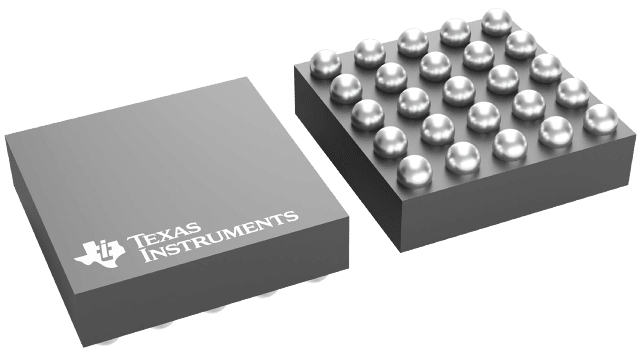
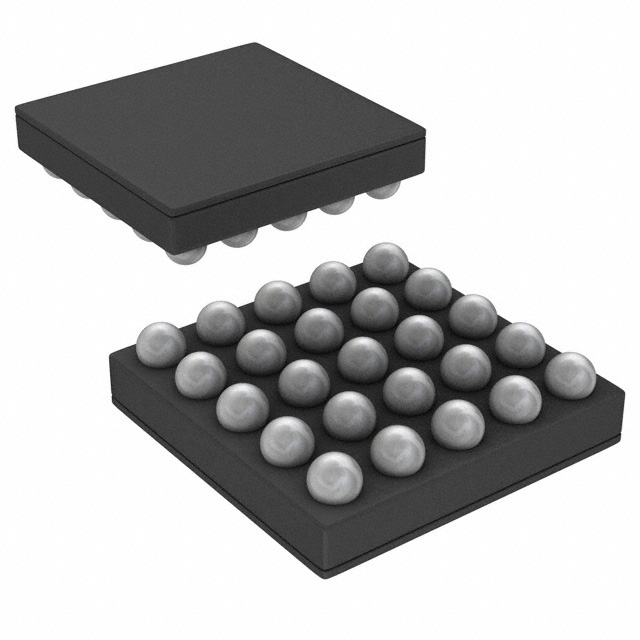
| Package / Case | 25-WFBGA |
| Supplier Device Package | 25-BGA (2.01x2.01) |
| Type | Class AB |
| Voltage - Supply [Max] | 5.5 V |
| Voltage - Supply [Min] | 2.7 V |
Pricing
Prices provided here are for design reference only. For realtime values and availability, please visit the distributors directly
| Distributor | Package | Quantity | $ | |
|---|---|---|---|---|
| Digikey | Cut Tape (CT) | 1 | $ 4.00 | |
| 10 | $ 3.59 | |||
| 25 | $ 3.40 | |||
| 100 | $ 2.94 | |||
| Digi-Reel® | 1 | $ 4.00 | ||
| 10 | $ 3.59 | |||
| 25 | $ 3.40 | |||
| 100 | $ 2.94 | |||
| Tape & Reel (TR) | 250 | $ 2.79 | ||
| 500 | $ 2.51 | |||
| 1250 | $ 2.11 | |||
| 2500 | $ 2.01 | |||
| Texas Instruments | SMALL T&R | 1 | $ 3.32 | |
| 100 | $ 2.91 | |||
| 250 | $ 2.04 | |||
| 1000 | $ 1.65 | |||
Description
General part information
LM49101 Series
The LM49101 is a fully integrated audio subsystem with a mono power amplifier capable of delivering 540mW of continuous average power into an 8Ω BTL speaker load with 1% THD+N using a 3.3V supply. The LM49101 includes a separate stereo headphone amplifier that can deliver 44mW per channel into 32Ω loads using a 2.75V supply.
The LM49101 has four input channels. A pair of single-ended inputs and a fully differential input channel with volume control and amplification stages. Additionally, a bypass differential input is available that connects directly to the mono speaker outputs through an analog switch without any amplification or volume control stages. The LM49101 features a 32–step digital volume control on the input stage and an 8–step digital volume control on the headphone output stage.
The digital volume control and output modes, programmed through a two-wire I2C compatible interface, allows flexibility in routing and mixing audio channels.
Documents
Technical documentation and resources