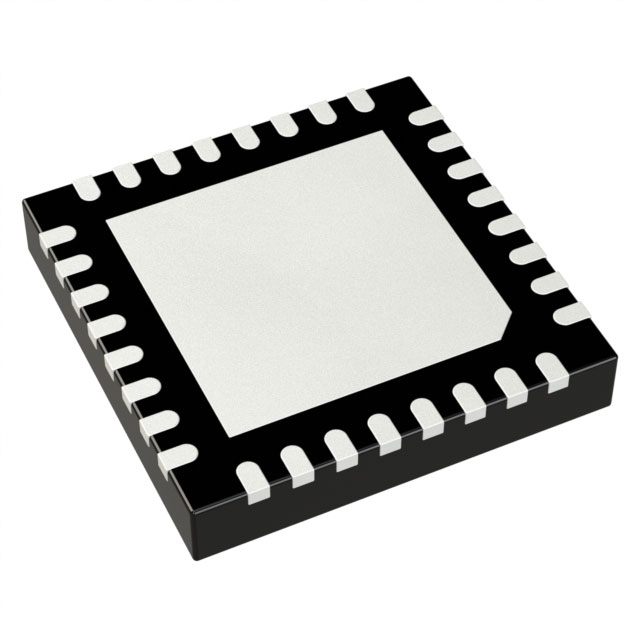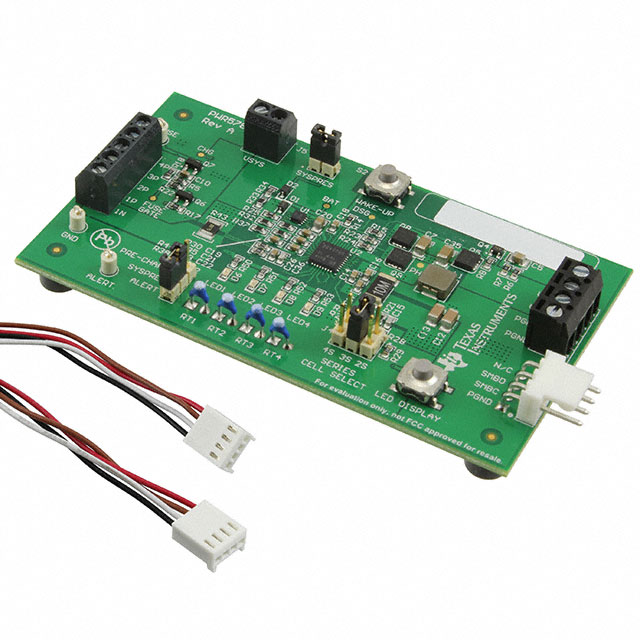
BQ40Z60EVM-578
ActiveEVAL MOD BQ4Z60 2,3,4 SERIES
Deep-Dive with AI
Search across all available documentation for this part.
BQ40Z60EVM-578
ActiveEVAL MOD BQ4Z60 2,3,4 SERIES
Deep-Dive with AI
Technical Specifications
Parameters and characteristics for this part
| Specification | BQ40Z60EVM-578 |
|---|---|
| Embedded | False |
| Function | Battery Charger |
| Secondary Attributes | On-Board LEDs |
| Supplied Contents | Board(s) |
| Type | Power Management |
| Utilized IC / Part | BQ40Z60 |
Pricing
Prices provided here are for design reference only. For realtime values and availability, please visit the distributors directly
| Distributor | Package | Quantity | $ | |
|---|---|---|---|---|
| Digikey | Box | 1 | $ 210.00 | |
Description
General part information
BQ40Z60 Series
The Texas Instruments bq40z60 device is a Programmable Battery Management Unit that integrates battery charging control output, gas gauging, and protection for completely autonomous operation of 2-series to 4-series cell Li-Ion and Li-Polymer battery packs. The architecture enables internal communication between the fuel gauging processor and battery charger controller to optimize the charging profile based on the external load conditions and power path source management during load transients and adaptor current limitations in the system. The charging current efficiency is scalable for power transfer based on the external components, such as the NFETs, inductor, and sensing resistor.
The device provides an array of battery and system safety functions, including overcurrent in discharge, short circuit in charge, and short circuit in discharge protection for the battery, as well as FET protection for the N-CH FETs, internal AFE watchdog, and cell disconnection detection. Through firmware, the device can provide a larger array of protection features including overvoltage, undervoltage, overtemperature, and more.
The Texas Instruments bq40z60 device is a Programmable Battery Management Unit that integrates battery charging control output, gas gauging, and protection for completely autonomous operation of 2-series to 4-series cell Li-Ion and Li-Polymer battery packs. The architecture enables internal communication between the fuel gauging processor and battery charger controller to optimize the charging profile based on the external load conditions and power path source management during load transients and adaptor current limitations in the system. The charging current efficiency is scalable for power transfer based on the external components, such as the NFETs, inductor, and sensing resistor.
Documents
Technical documentation and resources