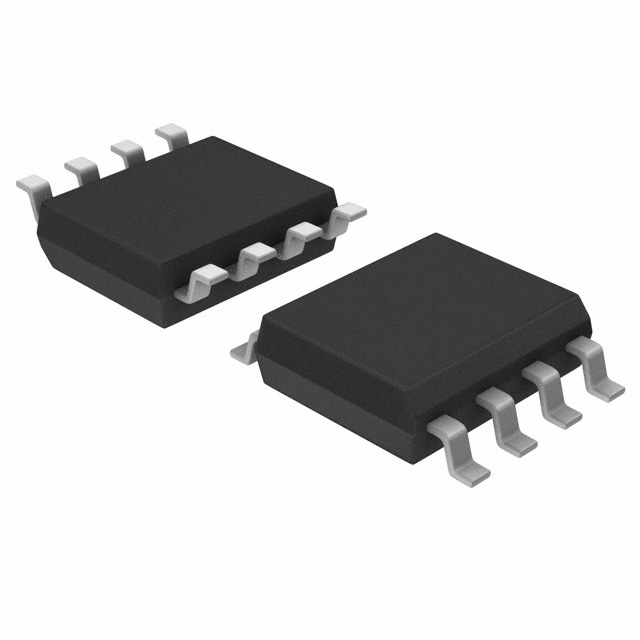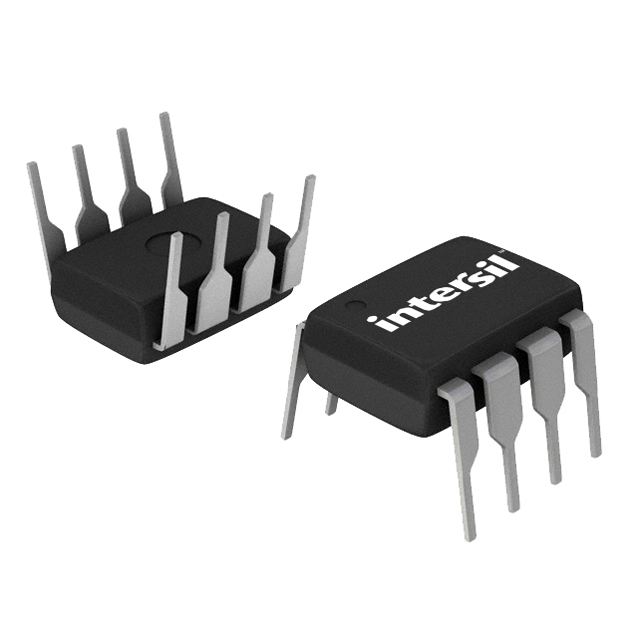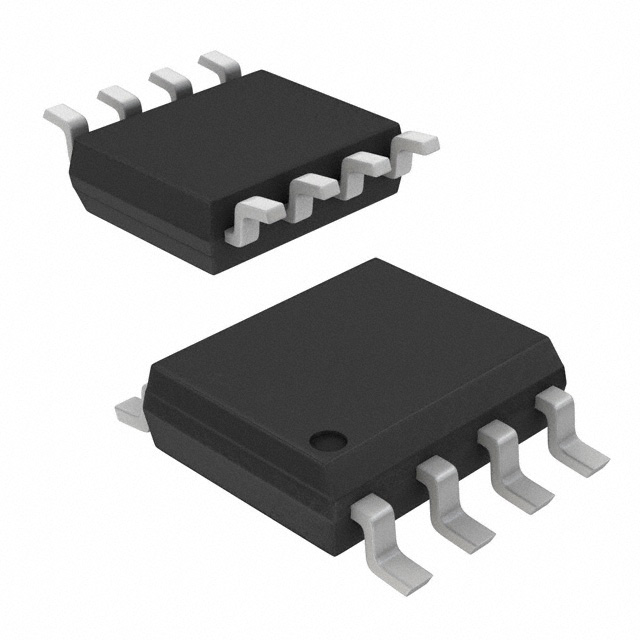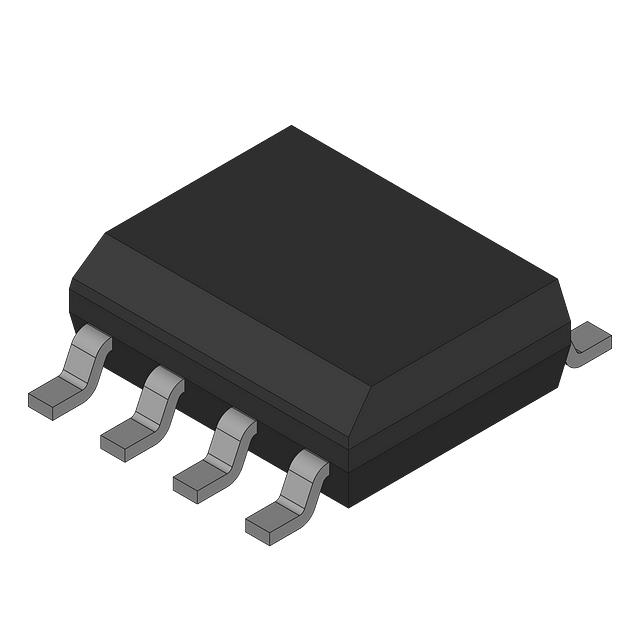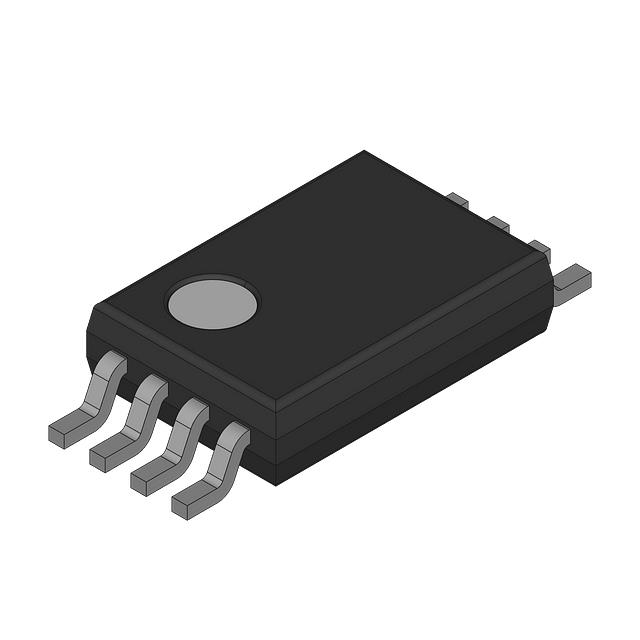
X9C303V8IZ
ObsoleteIC XDCP 100-TAP 32K EE 8-TSSOP
Deep-Dive with AI
Search across all available documentation for this part.
X9C303V8IZ
ObsoleteIC XDCP 100-TAP 32K EE 8-TSSOP
Deep-Dive with AI
Technical Specifications
Parameters and characteristics for this part
| Specification | X9C303V8IZ |
|---|---|
| Memory Type | Non-Volatile |
| Mounting Type | Surface Mount |
| Number of Circuits | 1 |
| Number of Taps | 100 |
| Operating Temperature [Max] | 85 °C |
| Operating Temperature [Min] | -40 C |
| Package / Case | 0.173 in |
| Package / Case | 8-TSSOP |
| Package / Case | 4.4 mm |
| Resistance (Ohms) | 32 kOhms |
| Supplier Device Package | 8-TSSOP |
| Taper | Logarithmic |
| Temperature Coefficient (Typ) | 400 ppm/°C |
| Voltage - Supply [Max] | 5.5 V |
| Voltage - Supply [Min] | 4.5 V |
Pricing
Prices provided here are for design reference only. For realtime values and availability, please visit the distributors directly
| Distributor | Package | Quantity | $ | |
|---|---|---|---|---|
| Digikey | Bulk | 74 | $ 4.08 | |
| N/A | 334 | $ 4.63 | ||
Description
General part information
X9C303 Series
The Intersil X9C303 is a digitally controlled potentiometer (XDCP). The device consists of a resistor array, wiper switches, a control section, and nonvolatile memory. The wiper position is controlled by a three-wire interface. The resistor array is composed of 99 resistive elements. Between each element and at either end are tap points accessible to the wiper terminal. The position of the wiper element is controlled by the CS, U/D, and INC inputs. The position of the wiper can be stored in nonvolatile memory and then be recalled upon a subsequent power-up operation. The device can be used as a three-terminal potentiometer or as a two-terminal variable resistor in a wide variety of applications ranging from control, to signal processing, to parameter adjustment. Digitally-controlled potentiometers provide three powerful application advantages; (1) the variability and reliability of a solid-state potentiometer, (2) the flexibility of computer-based digital controls, and (3) the use of nonvolatile memory for potentiometer settings retention.
Documents
Technical documentation and resources
No documents available