Deep-Dive with AI
Search across all available documentation for this part.
Deep-Dive with AI
Technical Specifications
Parameters and characteristics for this part
| Specification | TPS2211APWPRG4 |
|---|---|
| Current - Output (Max) [Max] | 1 A |
| Fault Protection | Over Temperature, Current Limiting (Fixed) |
| Features | Status Flag |
| Interface | Parallel |
| Mounting Type | Surface Mount |
| Number of Outputs | 2 |
| Operating Temperature [Max] | 85 °C |
| Operating Temperature [Min] | -40 °C |
| Output Configuration | High Side |
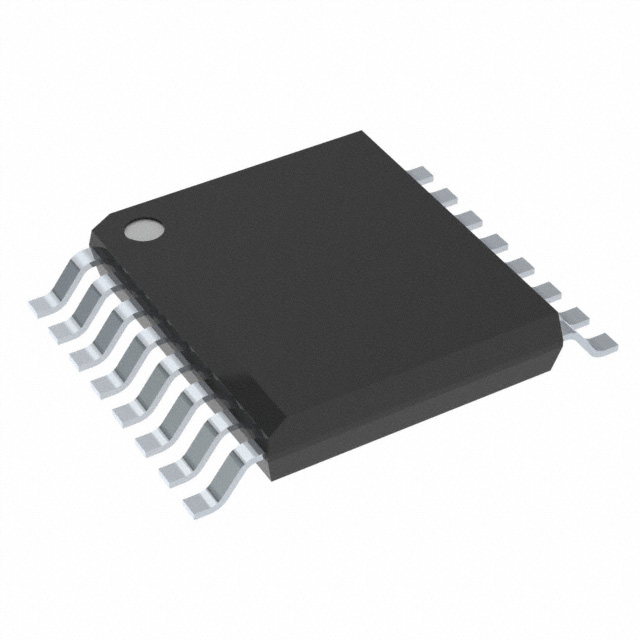
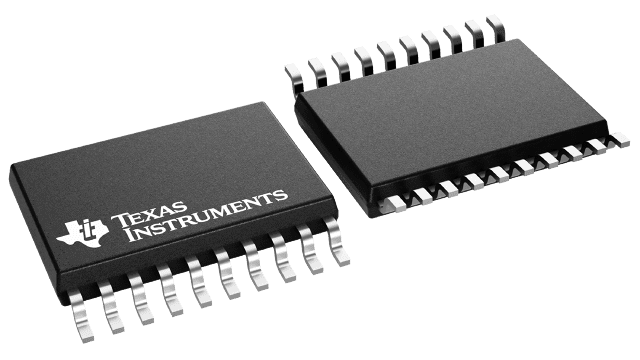
| Package / Case | 20-PowerTSSOP |
| Package / Case | 0.173 in |
| Package / Case [custom] | 4.4 mm |
| Ratio - Input:Output | 3:2 |
| Rds On (Typ) | 70 mOhm |
| Supplier Device Package | 20-HTSSOP |
| Switch Type | PCMCIA Switch |
| Voltage - Load | 12 V, 5 VDC, 3.3 V |
| Voltage - Supply (Vcc/Vdd) | False |
Pricing
Prices provided here are for design reference only. For realtime values and availability, please visit the distributors directly
| Distributor | Package | Quantity | $ | |
|---|---|---|---|---|
Description
General part information
TPS2211A Series
The TPS2211A PC Card power-interface switch provides an integrated power-management solution for a single PC Card. All of the discrete power MOSFETs, a logic section, current limiting, and thermal protection for PC Card control are combined on a single integrated circuit, using the Texas Instruments LinBiCMOS™ process. The circuit allows the distribution of 3.3-V, 5-V, and/or 12-V card power, and is compatible with many PCMCIA controllers.
The current-limiting feature eliminates the need for fuses, which reduces component count and improves reliability. Current-limit reporting can help the user isolate a system fault to the PC Card. controllers. The current-limiting feature eliminates the need for fuses, which reduces component count and improves reliability. Current-limit reporting can help the user isolate a system fault to the PC Card.
The TPS2211A features a 3.3-V low-voltage mode that allows for 3.3-V switching without the need for 5 V. Bias power can be derived from either the 3.3-V or 5-V inputs. This facilitates low-power system designs such as sleep mode and pager mode where only 3.3 V is available.
Documents
Technical documentation and resources