Deep-Dive with AI
Search across all available documentation for this part.
Deep-Dive with AI
Technical Specifications
Parameters and characteristics for this part
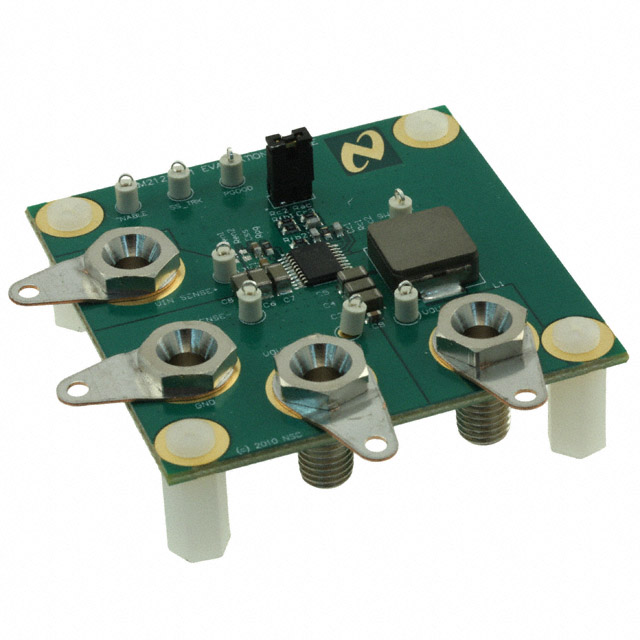
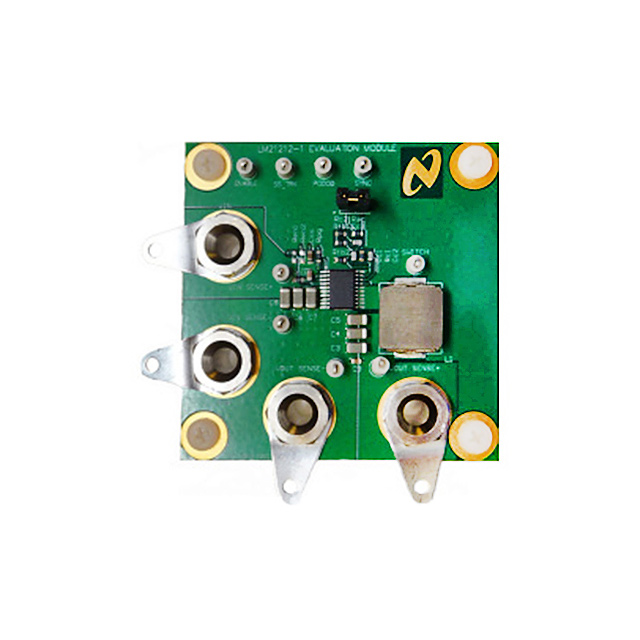
| Specification | LM21212-1EVM/NOPB |
|---|---|
| Board Type | Fully Populated |
| Current - Output | 12 A |
| Frequency - Switching [Max] | 1.5 MHz |
| Frequency - Switching [Min] | 300 kHz |
| Main Purpose | DC/DC, Step Down |
| Outputs and Type | Non-Isolated |
| Outputs and Type | 1 |
| Regulator Topology | Buck |
| Supplied Contents | Board(s) |
| Utilized IC / Part | LM21212-1 |
| Voltage - Output | 1.2 V |
Pricing
Prices provided here are for design reference only. For realtime values and availability, please visit the distributors directly
| Distributor | Package | Quantity | $ | |
|---|---|---|---|---|
| Digikey | Box | 1 | $ 51.74 | |
Description
General part information
LM21212-1 Series
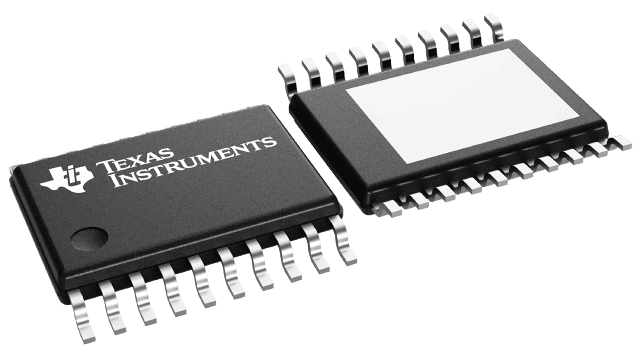
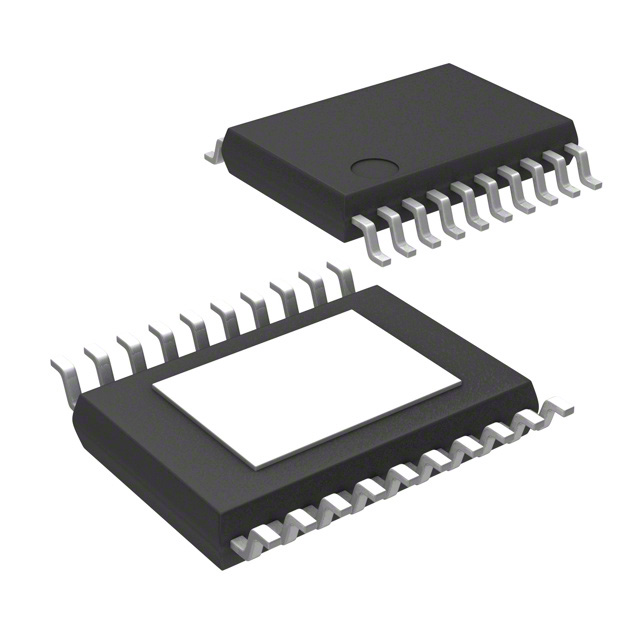
The LM21212-1 is a monolithic synchronous point-of-load buck regulator that is capable of delivering up to 12 A of continuous output current while producing an output voltage down to 0.6 V with outstanding efficiency. The device is optimized to work over an input voltage range of 2.95 V to 5.5 V, making it suited for a wide variety of low voltage systems. The voltage mode control loop provides high noise immunity, narrow duty-cycle capability and can be compensated to be stable with any type of output capacitance, providing maximum flexibility and ease of use.
The LM21212-1 features internal overvoltage protection (OVP) and overcurrent protection (OCP) for increased system reliability. A precision enable pin and integrated UVLO allow turnon of the device to be tightly controlled and sequenced. Start-up inrush currents are limited by both an internally fixed and externally adjustable soft-start circuit. Fault detection and supply sequencing are possible with the integrated power good circuit.
The LM21212-1 is designed to work well in multi-rail power supply architectures. The output voltage of the device can be configured to track an external voltage rail using the SS/TRK pin. The switching frequency can be synchronized to the falling edge of a clock between frequencies of 300 kHz to 1.5 MHz.
Documents
Technical documentation and resources