Deep-Dive with AI
Search across all available documentation for this part.
Deep-Dive with AI
Technical Specifications
Parameters and characteristics for this part
| Specification | LM2678S-3.3 |
|---|---|
| Current - Output | 5 A |
| Frequency - Switching | 260 kHz |
| Function | Step-Down |
| Mounting Type | Surface Mount |
| Number of Outputs | 1 |
| Operating Temperature [Max] | 125 ¯C |
| Operating Temperature [Min] | -40 °C |
| Output Configuration | Positive |
| Output Type | 1.81 mOhm |
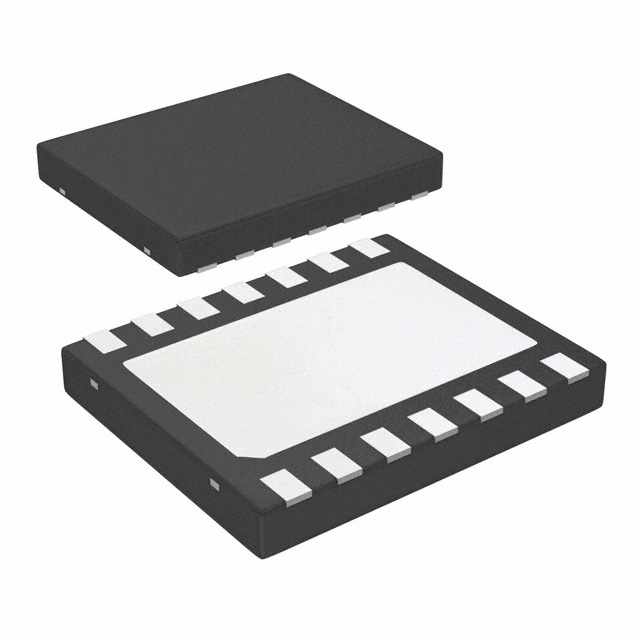
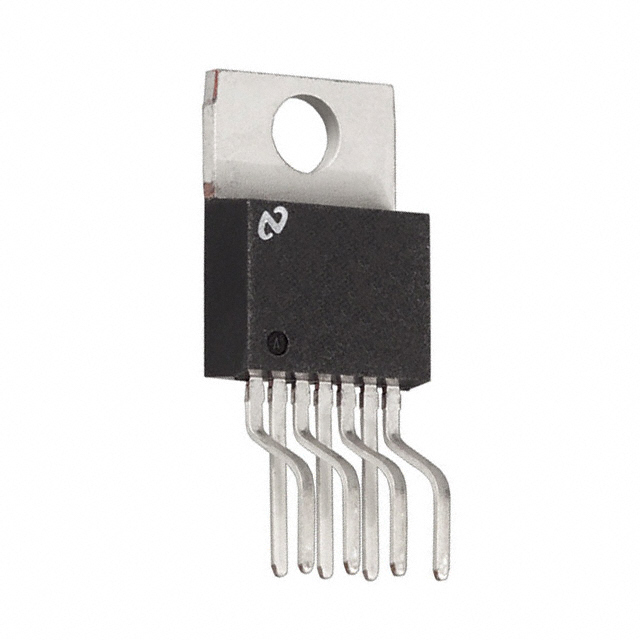
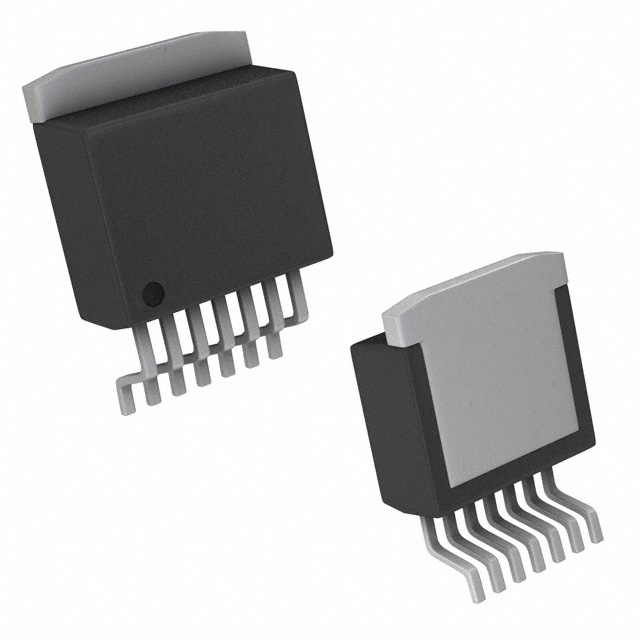
| Package / Case | D2PAK (7 Leads + Tab), TO-263-8, TO-263CA |
| Supplier Device Package | TO-263 (DDPAK-7) |
| Synchronous Rectifier | False |
| Topology | Buck |
| Voltage - Input (Min) [Min] | 8 V |
| Voltage - Output (Min/Fixed) | 3.3 V |
Pricing
Prices provided here are for design reference only. For realtime values and availability, please visit the distributors directly
| Distributor | Package | Quantity | $ | |
|---|---|---|---|---|
| Digikey | Tube | 135 | $ 6.99 | |
Description
General part information
LM2678 Series
The LM2678 series of regulators are monolithic integrated circuits which provide all of the active functions for a step-down (buck) switching regulator capable of driving up to 5-A loads with excellent line and load regulation characteristics. High efficiency (>90%) is obtained through the use of a low ON-resistance DMOS power switch. The series consists of fixed output voltages of 3.3 V, 5 V, and 12 V and an adjustable output version.
The SIMPLE SWITCHER®concept provides for a complete design using a minimum number of external components. A high fixed frequency oscillator (260 kHz) allows the use of physically smaller sized components. A family of standard inductors for use with the LM2678 are available from several manufacturers to greatly simplify the design process.
The LM2678 series also has built-in thermal shutdown, current limiting, and an ON/OFF control input that can power down the regulator to a low 50-µA quiescent current standby condition. The output voltage is ensured to a ±2% tolerance. The clock frequency is controlled to within a ±11% tolerance.
Documents
Technical documentation and resources
No documents available