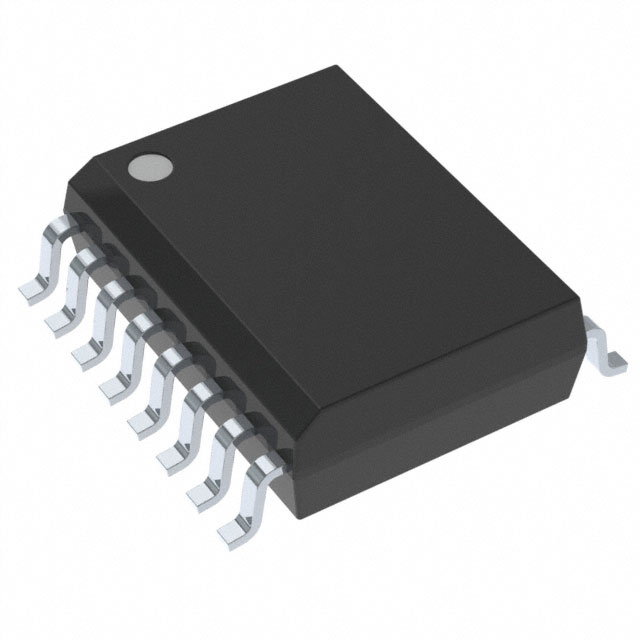
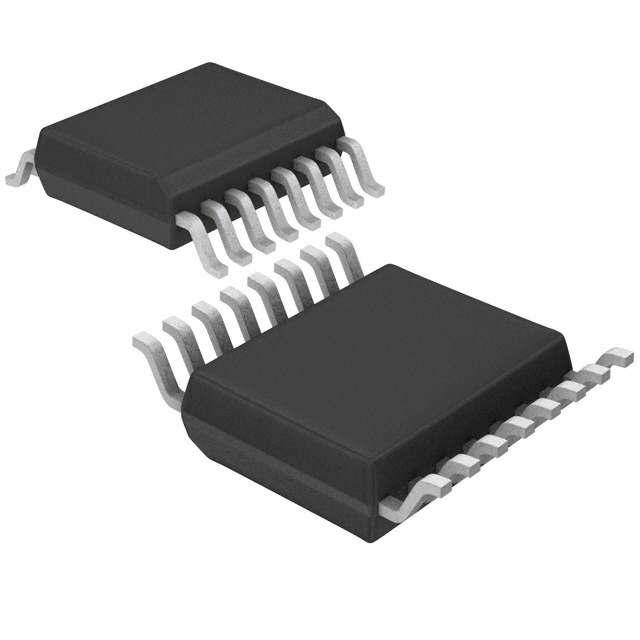
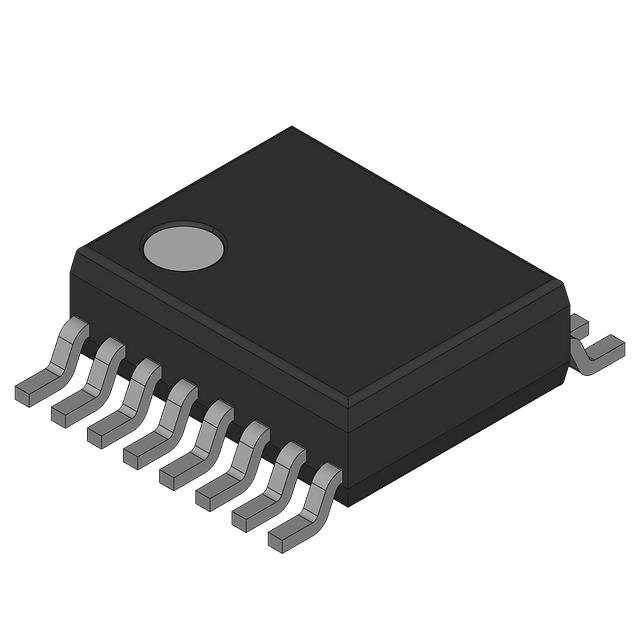
CY74FCT2257ATQCT
ActiveQUADRUPLE 1-OF-2 DATA SELECTORS/MULTIPLEXERS WITH 3-STATE OUTPUTS AND SERIES DAMPING RESISTORS
Deep-Dive with AI
Search across all available documentation for this part.
CY74FCT2257ATQCT
ActiveQUADRUPLE 1-OF-2 DATA SELECTORS/MULTIPLEXERS WITH 3-STATE OUTPUTS AND SERIES DAMPING RESISTORS
Deep-Dive with AI
Technical Specifications
Parameters and characteristics for this part
| Specification | CY74FCT2257ATQCT |
|---|---|
| Circuit [custom] | 4 |
| Circuit [custom] | 2:1 |
| Current - Output High, Low [custom] | 15 mA |
| Current - Output High, Low [custom] | 12 mA |
| Independent Circuits | 1 |
| Mounting Type | Surface Mount |
| Operating Temperature [Max] | 85 °C |
| Operating Temperature [Min] | -40 °C |
| Package / Case | 0.154 in |
| Package / Case | 16-SSOP |
| Package / Case | 3.9 mm |
| Supplier Device Package | 16-SSOP |
| Type | Multiplexer |
| Voltage - Supply [Max] | 5.25 V |
| Voltage - Supply [Min] | 4.75 V |
| Voltage Supply Source | Single Supply |
Pricing
Prices provided here are for design reference only. For realtime values and availability, please visit the distributors directly
| Distributor | Package | Quantity | $ | |
|---|---|---|---|---|
| Digikey | Bulk | 187 | $ 1.61 | |
| Cut Tape (CT) | 1 | $ 2.99 | ||
| Digi-Reel® | 1 | $ 2.99 | ||
| Tape & Reel (TR) | 2500 | $ 1.50 | ||
| 5000 | $ 1.44 | |||
| Texas Instruments | LARGE T&R | 1 | $ 2.25 | |
| 100 | $ 1.98 | |||
| 250 | $ 1.39 | |||
| 1000 | $ 1.12 | |||
Description
General part information
CY74FCT2257T Series
The CY74FCT2257T has four identical two-input multiplexers that select four bits of data from two sources under the control of a common data-select (S) input. The I0inputs are selected when S is low, and the I1inputs are selected when S is high. Data appears at the output in noninverted form for the CY74FCT2257T. On-chip termination resistors at the outputs reduce system noise caused by reflections. The CY74FCT2257T can replace the FCT257T to reduce noise in an existing design.
The CY74FCT2257T is a logic implementation of a four-pole, two-position switch, in which the position of the switch is determined by the logic levels supplied to S. Outputs are forced to the high-impedance off state when the output-enable (OE\) input is high.
All but one device must be in the high-impedance state to prevent currents from exceeding the maximum ratings if outputs are tied together. Design of the OE\ signals must ensure that there is no overlap when outputs of 3-state devices are tied together.
Documents
Technical documentation and resources