Deep-Dive with AI
Search across all available documentation for this part.
Deep-Dive with AI
Technical Specifications
Parameters and characteristics for this part
| Specification | CY74FCT191CTSOCT |
|---|---|
| Direction | Up, Down |
| Logic Type | Binary Counter |
| Mounting Type | Surface Mount |
| Number of Bits per Element | 4 |
| Number of Elements | 1 |
| Operating Temperature [Max] | 85 °C |
| Operating Temperature [Min] | -40 °C |
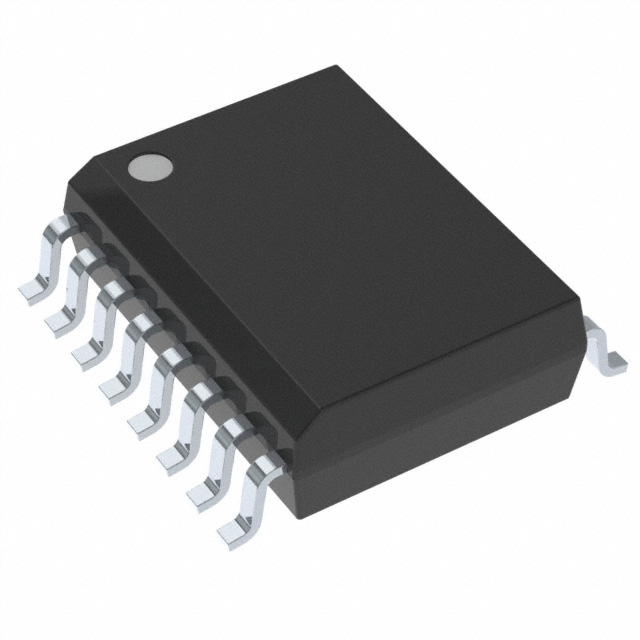
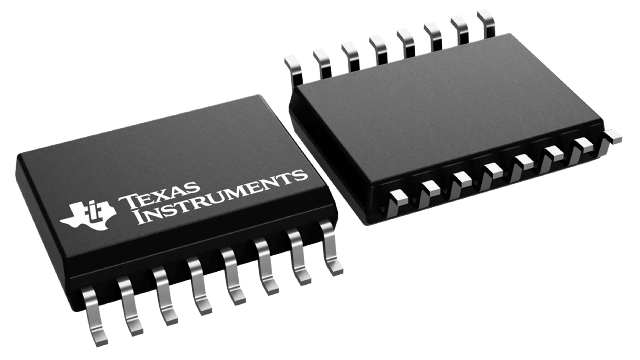
| Package / Case | 16-SOIC |
| Package / Case [x] | 0.295 in |
| Package / Case [y] | 7.5 mm |
| Supplier Device Package | 16-SOIC |
| Timing | Synchronous |
| Trigger Type | Positive Edge |
| Voltage - Supply [Max] | 5.25 V |
| Voltage - Supply [Min] | 4.75 V |
Pricing
Prices provided here are for design reference only. For realtime values and availability, please visit the distributors directly
| Distributor | Package | Quantity | $ | |
|---|---|---|---|---|
Description
General part information
CY74FCT191T Series
The CY74FCT191T is a reversible modulo-16 binary counter, featuring synchronous counting and asynchronous presetting. The preset allows the CY74FCT191T to be used in programmable dividers. The count enable input, terminal count output, and ripple-clock output make possible a variety of methods of implementing multiusage counters. In the counting modes, state changes are initiated by the rising edge of the clock.
This device is fully specified for partial-power-down applications using Ioff. The Ioffcircuitry disables the outputs, preventing damaging current backflow through the device when it is powered down.
The CY74FCT191T is a reversible modulo-16 binary counter, featuring synchronous counting and asynchronous presetting. The preset allows the CY74FCT191T to be used in programmable dividers. The count enable input, terminal count output, and ripple-clock output make possible a variety of methods of implementing multiusage counters. In the counting modes, state changes are initiated by the rising edge of the clock.
Documents
Technical documentation and resources
No documents available