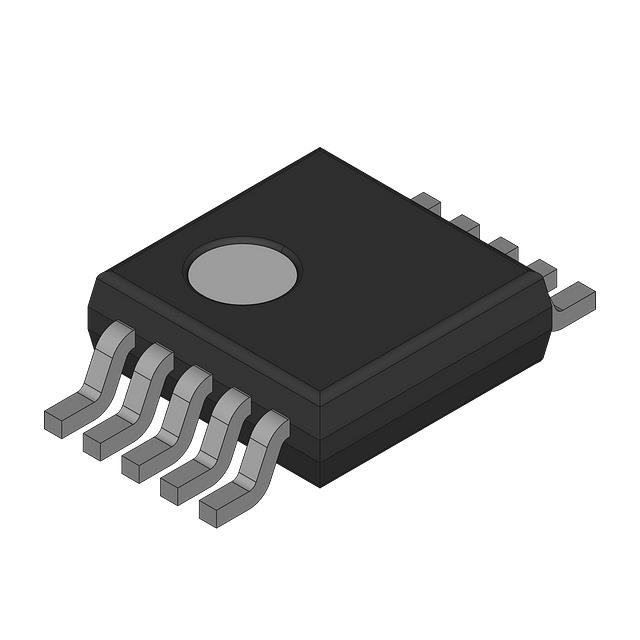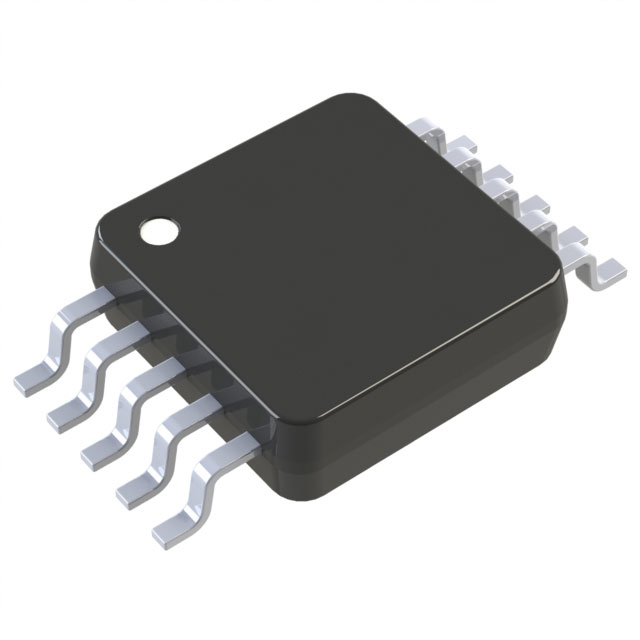
MAX881REUB
ObsoleteIC REG CHARGE PUMP 1OUT 10UMAX
Deep-Dive with AI
Search across all available documentation for this part.
MAX881REUB
ObsoleteIC REG CHARGE PUMP 1OUT 10UMAX
Deep-Dive with AI
Technical Specifications
Parameters and characteristics for this part
| Specification | MAX881REUB |
|---|---|
| Applications | Wireless Devices, Charge Pump |
| Mounting Type | Surface Mount |
| Number of Outputs | 1 |
| Operating Temperature [Max] | 85 °C |
| Operating Temperature [Min] | -40 C |
| Package / Case | 10-TFSOP, 10-MSOP (0.118", 3.00mm Width) |
| Supplier Device Package | 10-uMAX/uSOP |
| Voltage - Input [Max] | 5.5 V |
| Voltage - Input [Min] | 2.5 V |
| Voltage - Output | -2 V |
| Voltage - Output [Max] | 6.1 V |
| Voltage - Output [Min] | -2.5 V |
Pricing
Prices provided here are for design reference only. For realtime values and availability, please visit the distributors directly
| Distributor | Package | Quantity | $ | |
|---|---|---|---|---|
| Digikey | N/A | 0 | $ 2.41 | |
Description
General part information
MAX881 Series
The MAX881R low-noise, inverting power supply is designed for biasing GaAsFET power amplifiers in portable wireless applications. This device is a chargepump inverter followed by a negative linear regulator. The input voltage range is 2.5V to 5.5V. The output is preset at -2.0V or can be set, using two resistors, to any voltage from -0.5V to (-VIN+ 0.6V). It can deliver up to 4mA. The internal linear regulator also filters the output to 1mVP-Pripple and noise.Other features include a power-OK (active-low POK) output that signals when the negative voltage is within 7.5% of its set point. It protects the GaAsFET by not allowing power to be applied to the GaAsFET's drain until it is properly biased. The signal can be routed either to a microcontroller or directly to a switch at the GaAsFET drain. The MAX881R is available in a 10-pin µMAX® package.ApplicationsCell Phones Wireless ModemsPCS Phones Two-Way PagersPHS Phones Mobile RadiosWireless Handsets Wireless Computers
Documents
Technical documentation and resources