MAX6651EEE+TG002
ObsoleteINTEGRATED CIRCUIT
Deep-Dive with AI
Search across all available documentation for this part.
MAX6651EEE+TG002
ObsoleteINTEGRATED CIRCUIT
Deep-Dive with AI
Technical Specifications
Parameters and characteristics for this part
| Specification | MAX6651EEE+TG002 |
|---|---|
| null | |
Pricing
Prices provided here are for design reference only. For realtime values and availability, please visit the distributors directly
| Distributor | Package | Quantity | $ | |
|---|---|---|---|---|
| Digikey | N/A | 0 | $ 0.00 | |
Description
General part information
MAX6651 Series
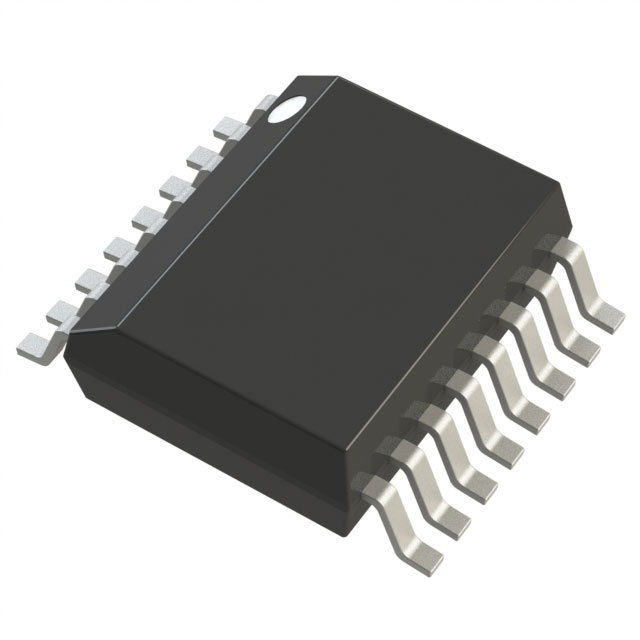
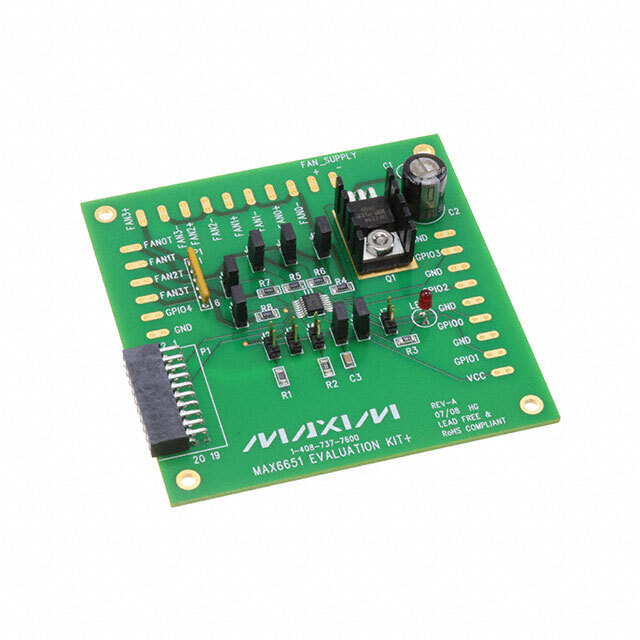
The MAX6650/MAX6651 fan controllers use an SMBus/I²C-compatible interface to regulate and monitor the speed of 5VDC/12VDC brushless fans with built-in tachometers. They automatically force the fan's tachometer frequency (fan speed) to match a preprogrammed value in the Fan-Speed Register by using an external MOSFET or bipolar transistor to linearly regulate the voltage across the fan. The MAX6650 regulates the speed of a single fan by monitoring its tachometer output. The MAX6651 also regulates the speed of a single fan, but it contains additional tachometer inputs to monitor up to four fans and control them as a single unit when they are used in parallel.The MAX6650/MAX6651 provide general-purpose input/output (GPIO) pins that serve as digital inputs, digital outputs, or various hardware interfaces. Capable of sinking 10mA, these open-drain inputs/outputs can drive an LED. To add additional hardware control, configure GPIO1 to fully turn on the fan in case of software failure. To generate an interrupt when a fault condition is detected, configure GPIO0 to behave as an active-low alert output. Synchronize multiple devices by setting GPIO2 (MAX6651 only) as an internal clock output or an external clock input.The MAX6650 is available in a space-saving 10-pin µMAX® package, and the MAX6651 is available in a small 16-pin QSOP package.ApplicationsComputers: Desktop, Workstation, ServerNetworkingRAIDServersTelecommunicationsWorkstations
Documents
Technical documentation and resources