


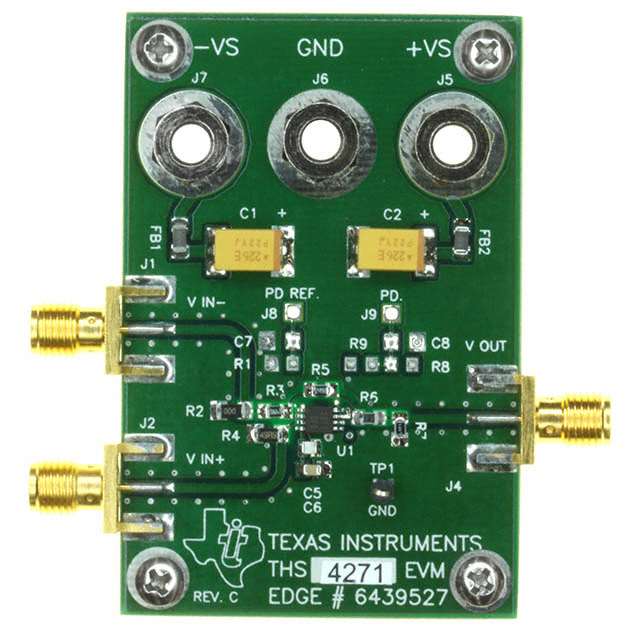
Technical Specifications
Parameters and characteristics for this part
| Specification | THS4271EVM |
|---|---|
| -3db Bandwidth | 1.4 GHz |
| Amplifier Type | Voltage Feedback |
| Board Type | Fully Populated |
| Channels per IC | 1 - Single |
| Current - Output / Channel [custom] | 160 mA |
| Current - Supply (Main IC) | 22 mA |
| Output Type | Single-Ended |
| Slew Rate | 1000 V/µs |
| Supplied Contents | Board(s) |
| Utilized IC / Part | THS4271 |
| Voltage - Supply, Single/Dual (±) [Max] | 15 V, 7.5 V |
| Voltage - Supply, Single/Dual (±) [Min] | -2.5 V, 5 V |
THS4271-EP Series
Enhanced Product Low Noise High Slew Rate Unity Gain Stable Voltage Feedback Amplifier
| Part | Amplifier Type | Voltage - Supply Span (Max) [Max] | Current - Supply | -3db Bandwidth | Voltage - Supply Span (Min) [Min] | Number of Circuits | Mounting Type | Operating Temperature [Max] | Operating Temperature [Min] | Slew Rate | Current - Output / Channel [custom] | Gain Bandwidth Product | Supplier Device Package | Current - Input Bias | Package / Case | Package / Case [custom] | Package / Case [y] | Package / Case [x] | Output Type | Channels per IC | Current - Supply (Main IC) | Voltage - Supply, Single/Dual (±) [Min] | Voltage - Supply, Single/Dual (±) [Max] | Supplied Contents | Utilized IC / Part | Board Type |
|---|---|---|---|---|---|---|---|---|---|---|---|---|---|---|---|---|---|---|---|---|---|---|---|---|---|---|
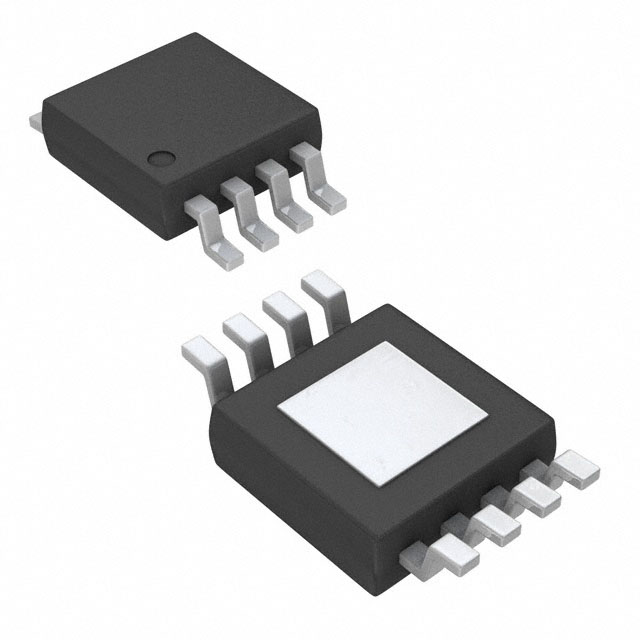 Texas Instruments | Voltage Feedback | 15 V | 22 mA | 1.4 GHz | 5 V | 1 | Surface Mount | 85 °C | -40 °C | 1000 V/µs | 160 mA | 400 MHz | 8-HVSSOP | 6 µA | 8-MSOP 8-TSSOP Exposed Pad | 0.118 in 3 mm | ||||||||||
Texas Instruments | Voltage Feedback | 15 V | 22 mA | 1.4 GHz | 5 V | 1 | Surface Mount | 85 °C | -40 °C | 1000 V/µs | 400 MHz | 8-HVSSOP | 6 µA | 8-MSOP 8-TSSOP Exposed Pad | 0.118 in 3 mm | |||||||||||
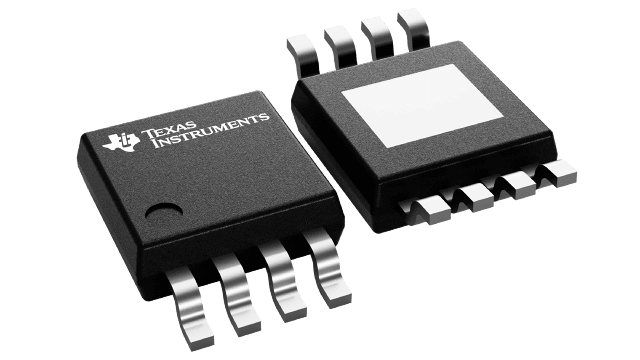 Texas Instruments | Voltage Feedback | 15 V | 22 mA | 1.4 GHz | 5 V | 1 | Surface Mount | 85 °C | -40 °C | 1000 V/µs | 400 MHz | 8-HVSSOP | 6 µA | 8-MSOP 8-TSSOP Exposed Pad | 0.118 in 3 mm | |||||||||||
 Texas Instruments | Voltage Feedback | 15 V | 22 mA | 1.4 GHz | 5 V | 1 | Surface Mount | 125 °C | -55 °C | 1000 V/µs | 160 mA | 400 MHz | 8-HVSSOP | 6 µA | 8-MSOP 8-TSSOP Exposed Pad | 0.118 in 3 mm | ||||||||||
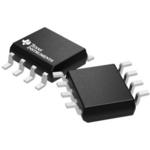 Texas Instruments | Voltage Feedback | 15 V | 22 mA | 1.4 GHz | 5 V | 1 | Surface Mount | 85 °C | -40 °C | 1000 V/µs | 160 mA | 400 MHz | 8-SOIC | 6 µA | 8-SOIC | 3.9 mm | 0.154 in | |||||||||
Texas Instruments | Voltage Feedback | 15 V | 22 mA | 1.4 GHz | 5 V | 1 | Surface Mount | 85 °C | -40 °C | 1000 V/µs | 400 MHz | 8-SOIC | 6 µA | 8-SOIC | 3.9 mm | 0.154 in | ||||||||||
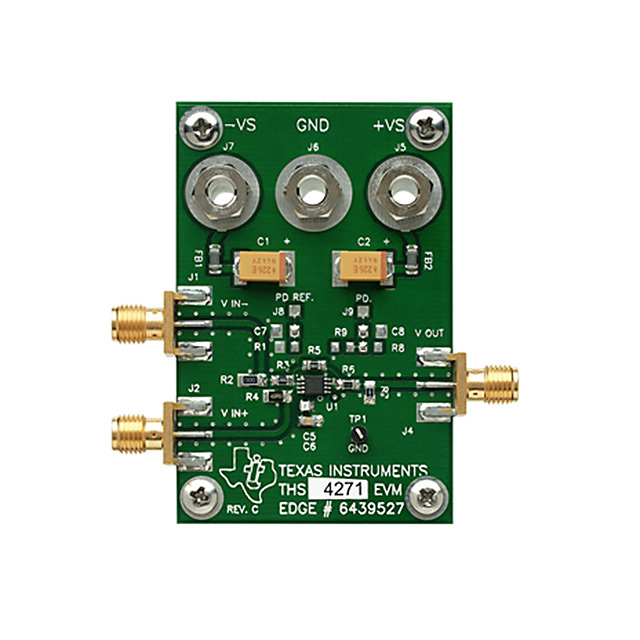 Texas Instruments | Voltage Feedback | 1.4 GHz | 1000 V/µs | 160 mA | Single-Ended | 1 - Single | 22 mA | -2.5 V 5 V | 7.5 V 15 V | Board(s) | THS4271 | Fully Populated | ||||||||||||||
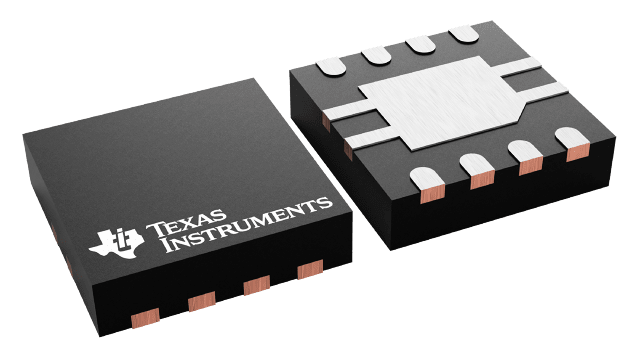 Texas Instruments | Voltage Feedback | 15 V | 22 mA | 1.4 GHz | 5 V | 1 | Surface Mount | 85 °C | -40 °C | 1000 V/µs | 160 mA | 400 MHz | 8-SON (3x3) | 6 µA | 8-VDFN Exposed Pad |
Pricing
Prices provided here are for design reference only. For realtime values and availability, please visit the distributors directly
| Distributor | Package | Quantity | $ | |
|---|---|---|---|---|
| Digikey | Bulk | 1 | $ 58.80 | |
Description
General part information
THS4271-EP Series
The THS4271 is a low-noise, high slew rate, unity gain stable voltage-feedback amplifier designed to run from supply voltages as low as 5 V. The combination of low-noise, high slew rate, wide bandwidth, low distortion, and unity gain stability make the THS4271 a high performance device across multiple ac specifications.
Designers using the THS4271 are rewarded with higher dynamic range over a wider frequency band without the stability concerns of decompensated amplifiers. The devices are available in SOIC, MSOP with PowerPAD™, and leadless MSOP with PowerPAD™ packages.
The THS4271 may have low-level oscillation when the die temperature (also known as thejunction temperature) exceeds +60°C and is not recommended for new designs. For more information, see Maximum Die Temperature to Prevent Oscillation.
Documents
Technical documentation and resources