TPS62300EVM-085
ObsoletePOWER MANAGEMENT IC DEVELOPMENT TOOLS TPS62300-085 EVAL MOD
Deep-Dive with AI
Search across all available documentation for this part.
TPS62300EVM-085
ObsoletePOWER MANAGEMENT IC DEVELOPMENT TOOLS TPS62300-085 EVAL MOD
Deep-Dive with AI
Technical Specifications
Parameters and characteristics for this part
| Specification | TPS62300EVM-085 |
|---|---|
| Board Type | Fully Populated |
| Contents | Board(s) |
| Current - Output | 500 mA |
| Frequency - Switching | 3 MHz |
| Main Purpose | DC/DC, Step Down |
| Outputs and Type | Non-Isolated, 4 Non-Isolated Outputs |
| Outputs and Type | 4 |
| Regulator Topology | Buck |
| Supplied Contents | Board(s) |
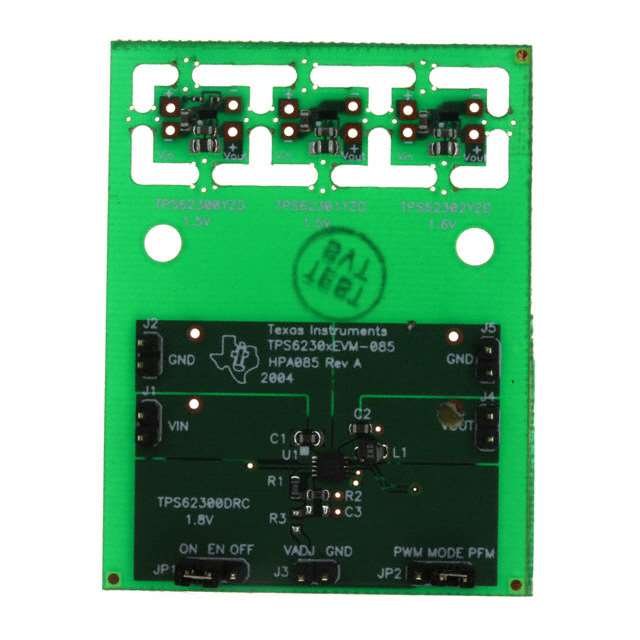
| Utilized IC / Part | TPS62300, TPS62301, TPS62302 |
| Voltage - Input [Max] | 6 V |
| Voltage - Input [Min] | 2.7 V |
| Voltage - Output | 1.6 V, 1.5 V, 1.8 V |
Pricing
Prices provided here are for design reference only. For realtime values and availability, please visit the distributors directly
Description
General part information
TPS62300 Series
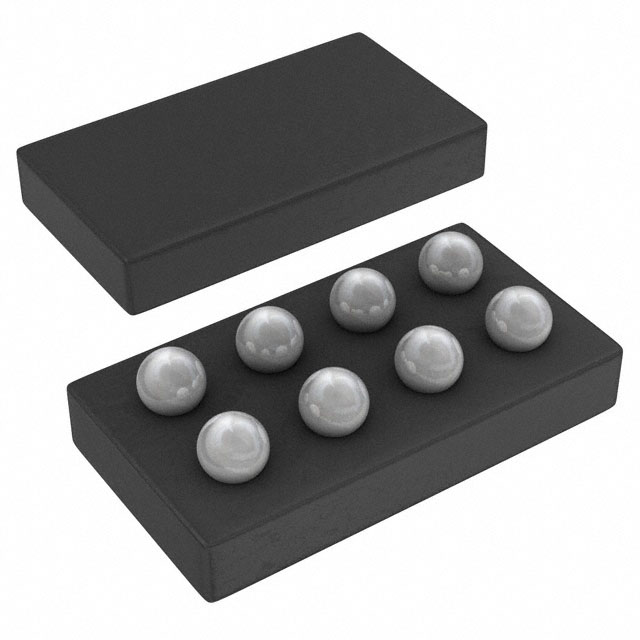
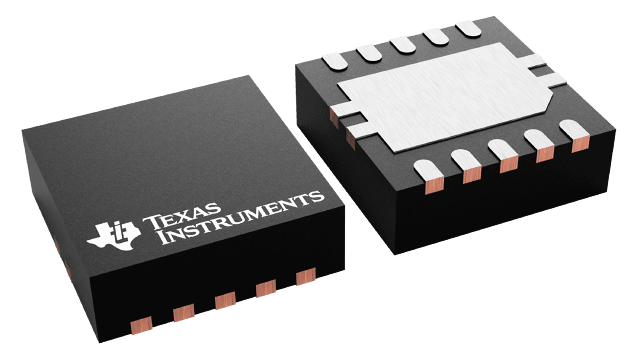
The TPS623xx device is a high-frequency synchronous step-down dc-dc converter optimized for battery-powered portable applications. Intended for low-power applications, the TPS623xx supports up to 500-mA load current and allows the use of tiny, low cost chip inductor and capacitors.
The device is ideal for mobile phones and similar portable applications powered by a single-cell Li-Ion battery or by 3-cell NiMH/NiCd batteries. With an output voltage range from 5.4 V down to 0.6 V, the device supports the low-voltage TMS320 DSP family, processors in smart-phones, PDAs as well as notebooks, and handheld computers.
The TPS62300 operates at 3-MHz fixed switching frequency and enters the power-save mode operation at light load currents to maintain high efficiency over the entire load current range. For low noise applications, the device can be forced into fixed frequency PWM mode by pulling the MODE/SYNC pin high. The device can also be synchronized to an external clock signal in the range of 3 MHz. In the shutdown mode, the current consumption is reduced to less than 1 µA.
Documents
Technical documentation and resources