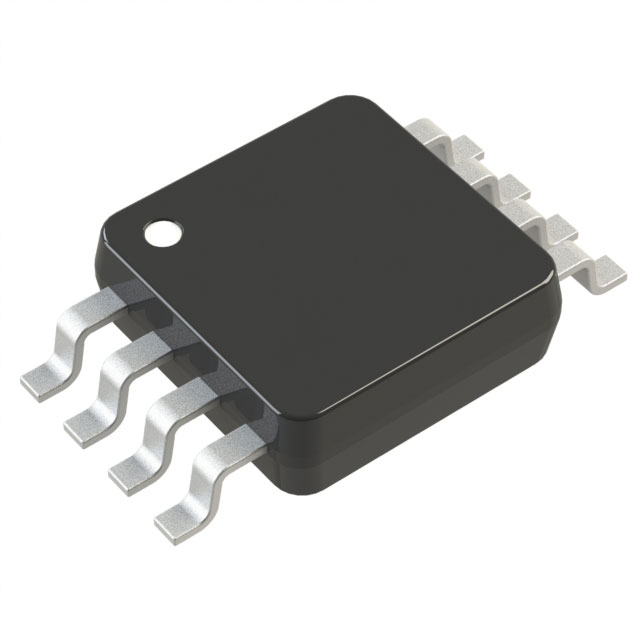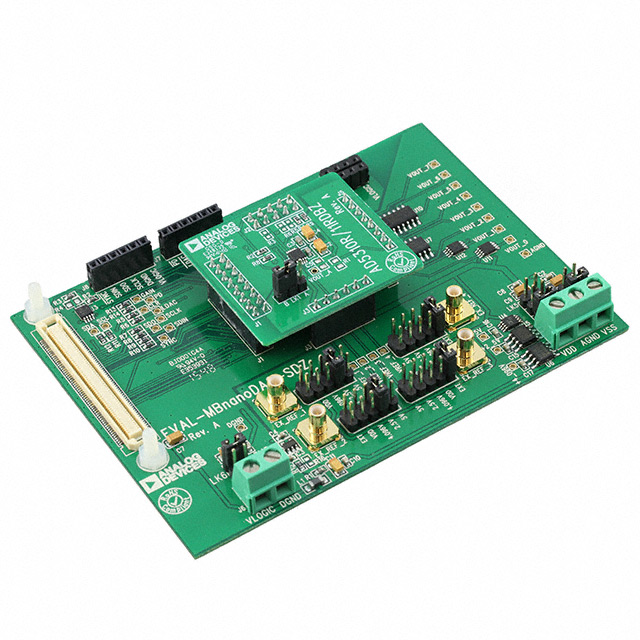
EVAL-AD5311RDBZ
ActiveEVAL BOARD FOR AD5311R
Deep-Dive with AI
Search across all available documentation for this part.
EVAL-AD5311RDBZ
ActiveEVAL BOARD FOR AD5311R
Deep-Dive with AI
Technical Specifications
Parameters and characteristics for this part
| Specification | EVAL-AD5311RDBZ |
|---|---|
| Contents | Board |
| DAC Type | Voltage |
| Data Interface | I2C, SPI, Serial |
| Number of Bits | 10 bits |
| Number of DAC's | 1 |
| Settling Time | 5 µs |
| Supplied Contents | Board(s) |
| Utilized IC / Part | AD5311R |
Pricing
Prices provided here are for design reference only. For realtime values and availability, please visit the distributors directly
| Distributor | Package | Quantity | $ | Updated |
|---|---|---|---|---|
| Digikey | Bulk | 1 | $ 60.25 | 1m+ |
| N/A | 0 | $ 60.42 | 1m+ | |
CAD
3D models and CAD resources for this part
Description
General part information
AD5311 Series
TheAD5301/AD5311/AD5321are single 8-/10-/12-bit, buffered, voltage-output DACs that operate from a single 2.5 V to 5.5 V supply, consuming 120 μA at 3 V. The on-chip output amplifier allows rail-to-rail output swing with a slew rate of 0.7 V/μs. It uses a 2-wire (I2C-compatible) serial interface that operates at clock rates up to 400 kHz. Multiple devices can share the same bus.The reference for the DAC is derived from the power supply inputs and thus gives the widest dynamic output range. These parts incorporate a power-on reset circuit, which ensures that the DAC output powers up to 0 V and remains there until a valid write takes place. The parts contain a power-down feature that reduces the current consumption of the device to 50 nA at 3 V and provides software-selectable output loads while in power-down mode.The low power consumption in normal operation makes these DACs ideally suited to portable battery-operated equipment. The power consumption is 0.75 mW at 5 V and 0.36 mW at 3 V, reducing to 1 μW in all power-down modes.ApplicationsPortable battery-powered instrumentsDigital gain and offset adjustmentProgrammable voltage and current sourcesProgrammable attenuators
Documents
Technical documentation and resources