ADPD2211ACPZ-R7
ActiveLOW NOISE, HIGH SENSITIVITY OPTICAL SENSOR
Deep-Dive with AI
Search across all available documentation for this part.
ADPD2211ACPZ-R7
ActiveLOW NOISE, HIGH SENSITIVITY OPTICAL SENSOR
Deep-Dive with AI
Technical Specifications
Parameters and characteristics for this part
| Specification | ADPD2211ACPZ-R7 |
|---|---|
| Mounting Type | Surface Mount |
| Operating Temperature (Max) | 85 °C |
| Operating Temperature (Min) | -40 °C |
| Output Type | Voltage |
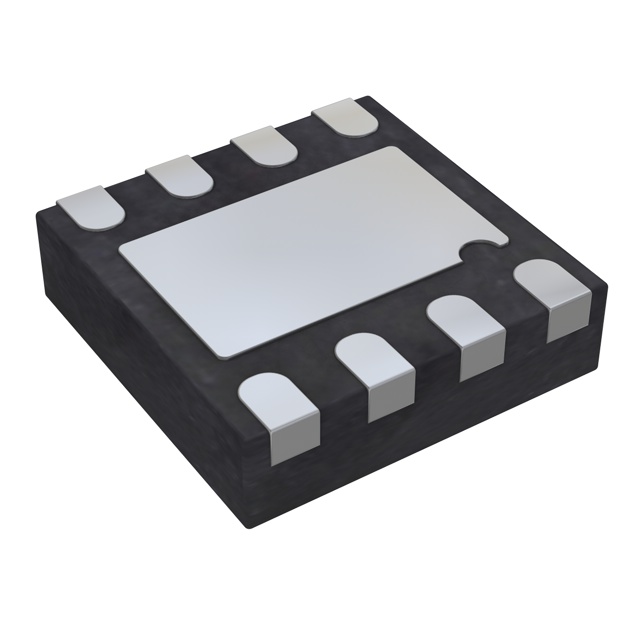
| Package / Case | 8-WDFN Exposed Pad |
| Package Length | 3 mm |
| Package Name | 8-LFCSP |
| Package Width | 3 mm |
| Proximity Detection | No |
| Type | Ambient |
| Voltage - Supply (Maximum) | 5 V |
| Voltage - Supply (Minimum) | 1.8 V |
| Wavelength | 528 nm |
Pricing
Prices provided here are for design reference only. For realtime values and availability, please visit the distributors directly
| Distributor | Package | Quantity | $ | Updated |
|---|---|---|---|---|
| Digikey | Cut Tape (CT) | 1 | $ 8.36 | <1d |
| 10 | $ 6.48 | |||
| 25 | $ 6.02 | |||
| 100 | $ 5.54 | |||
| Tape & Reel (TR) | 1000 | $ 4.98 | <1d | |
| 2000 | $ 4.88 | |||
CAD
3D models and CAD resources for this part
Description
General part information
ADPD2211 Series
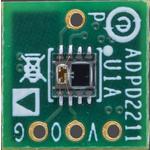
The ADPD2211 is an optical sensor optimized for biomedical applications. Very low power consumption and near theoretical signal-to-noise ratio (SNR) are achieved by packaging an ultralow capacitance deep junction silicon photodiode operated in zero bias photoconductive mode with a low noise current amplifier. The ADPD2211 offers a typical 400 kHz bandwidth performance, which is well suited for use with pulsed excitation. The ADPD2211 uses very little power during operation and incorporates a power-down pin, enabling power cycling to optimize battery life in portable applications. The ADPD2211 provides shot noise limited performance, making it an excellent choice for measuring signals with the highest possible fidelity in low light conditions. This combination of low power, very high SNR, and electromagnetic interference (EMI) immunity enables low power system solutions not possible with traditional photodiode (PD) and transimpedance amplifier (TIA) systems.ApplicationsHeart rate, pulse oximetry monitoring (photoplethysmography)Battery-powered medical sensorsChemical analysis
Documents
Technical documentation and resources