O
ON Semiconductor
| Series | Category | # Parts | Status | Description |
|---|---|---|---|---|
| Part | Spec A | Spec B | Spec C | Spec D | Description |
|---|---|---|---|---|---|



| Series | Category | # Parts | Status | Description |
|---|---|---|---|---|
| Part | Spec A | Spec B | Spec C | Spec D | Description |
|---|---|---|---|---|---|
| Part | Category | Description |
|---|---|---|
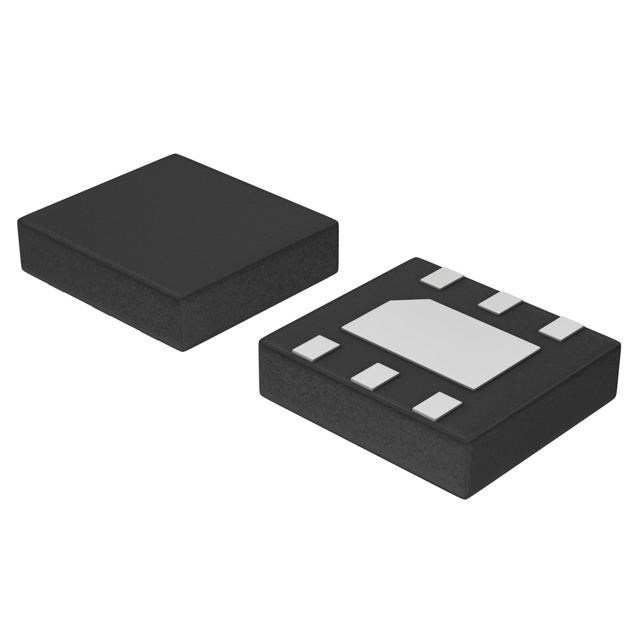 ON Semiconductor | Integrated Circuits (ICs) | SELF-PROTECTED N-CHANNEL POWER MOSFET/ REEL |
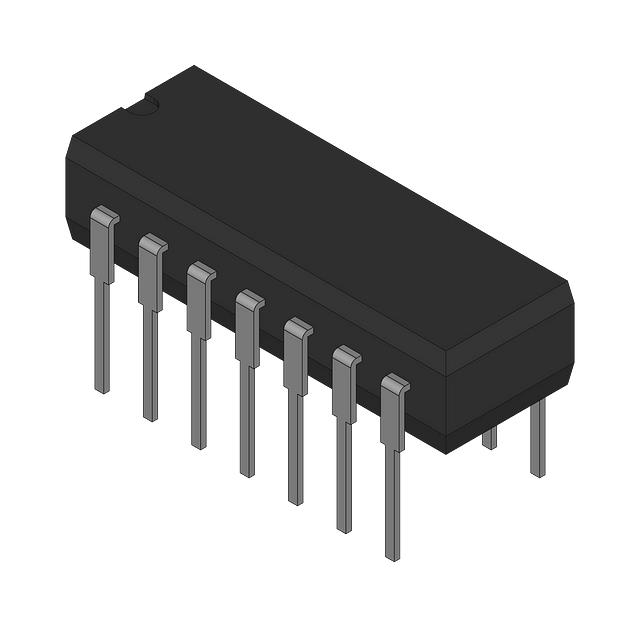 ON Semiconductor 74AC32PCObsolete | Integrated Circuits (ICs) | IC GATE OR 4CH 2-INP 14MDIP |
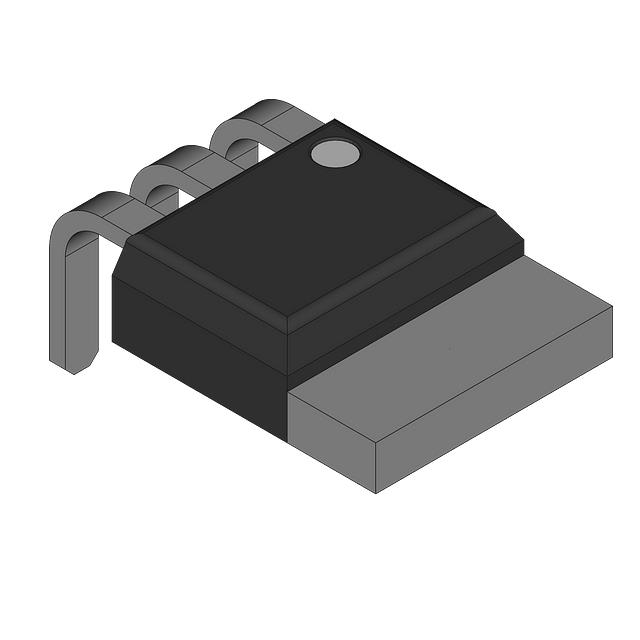 ON Semiconductor | Discrete Semiconductor Products | IGBT, 360V, 27A, 1.32V, 320MJ, TO-262<BR>ECOSPARK® I, N-CHANNEL IGNITION |
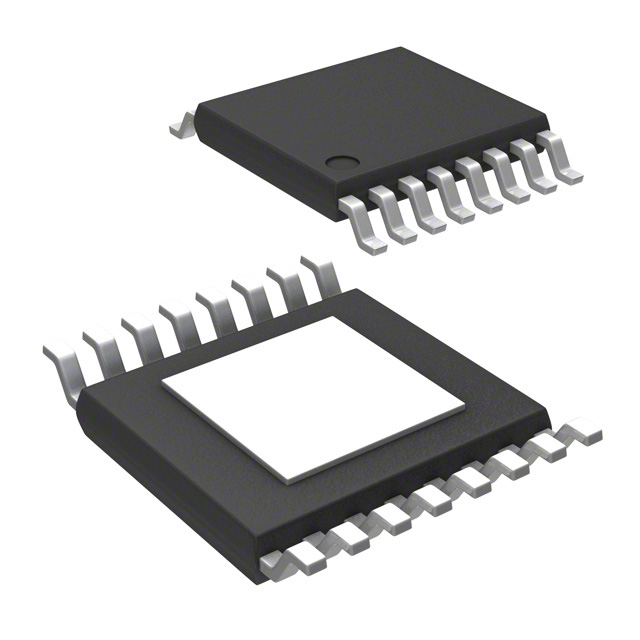 ON Semiconductor FAN1655MTFXObsolete | Integrated Circuits (ICs) | IC REG CTRLR DDR 1OUT 16TSSOP |
 ON Semiconductor FIN1027MObsolete | Integrated Circuits (ICs) | LVDS DRIVER, LVDS DIFFERENTIAL DRIVER, -40 °C, 85 °C, 3 V, 3.6 V, SOIC |
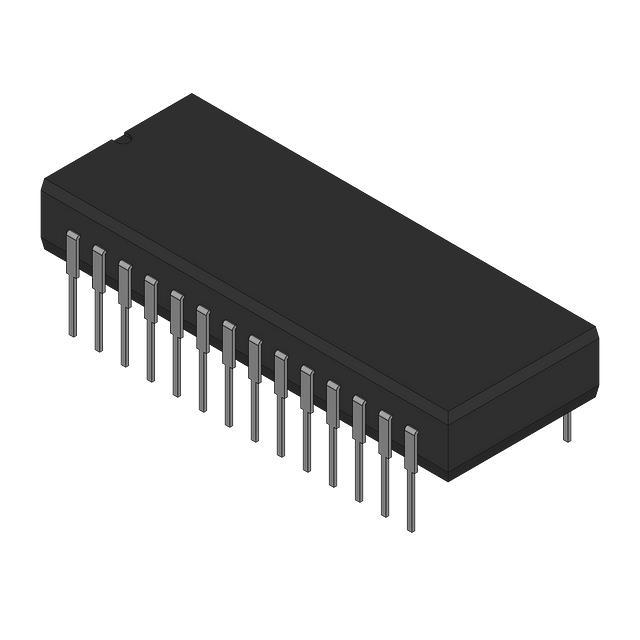 ON Semiconductor | Integrated Circuits (ICs) | PIPELINE REGISTER, 8-BIT PQCC28 |
ON Semiconductor SLV4HC4053ADWRGObsolete | Integrated Circuits (ICs) | LDO REGULATOR, ULTRA-LOW NOISE, |
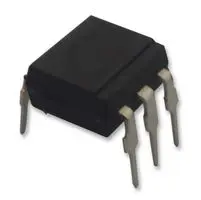 ON Semiconductor | Isolators | OPTOCOUPLER, DIP, 6 PINS, 5 KV, NON ZERO CROSSING, 800 V, FOD4218 SERIES |
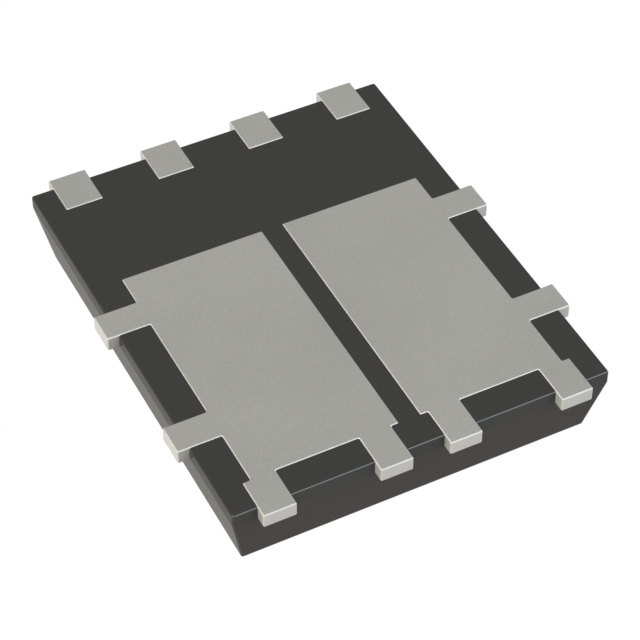 ON Semiconductor NVMFD5483NLT1GObsolete | Discrete Semiconductor Products | DUAL N-CHANNEL POWER MOSFET 60V, 24A, 36MΩ |
ON Semiconductor | Discrete Semiconductor Products | BIP NPN 8A 50V |
| Series | Category | # Parts | Status | Description |
|---|---|---|---|---|
MC74HC251A8-Input Multiplexer (3-state) | Signal Switches, Multiplexers, Decoders | 8 | Active | The MC54/74HC251 is identical in pinout to the LS251. The deviceinputs are compatible with standard CMOS outputs; with pullup resistors, they are compatible with LSTTL outputs.This device selects one of the eight binary Data Inputs, as determined by the Address Inputs. The Output Enable pin must be a low level for the selected data to appear at the outputs. If Output Enable is high, both the Y and the Y outputs are in the high impedance state. This 3 state feature allows the HC251 to be used in bus oriented systems. The HC251 is similar in function to the HC251 which does not have 3 state outputs. |
MC74HC259A8-Bit Addressable Latch 1-of-8 Decoder | Integrated Circuits (ICs) | 8 | Active | The MC74HC259A is identical in pinout to the LS259. The device inputs are compatible with standard CMOS outputs; with pullup resistors, they are compatible with LSTTL outputs. The HC259A has four modes of operation as shown in the mode selection table. In the addressable latch mode, the data on Data In is written into the addressed latch. The addressed latch follows the data input with all non addressed latches remaining in their previous states. In the memory mode, all latches remain in their previous state and are unaffected by the Data or Address inputs. In the one of eight decoding or demultiplexing mode, the addressed output follows the state of Data In with all other outputs in the LOW state. In the Reset mode all outputs are LOW and unaffected by the address and data inputs. When operating the HC259A as an addressable latch, changing more than one bit of the address could impose a transient wrong address. Therefore, this should only be done while in the memory mode. |
MC74HC273AOctal D-Type Flip-Flop with Clear | Flip Flops | 15 | Active | The MM74HC273 edge triggered flip-flops utilize advanced silicon-gate CMOS technology to implement D-type flip-flops. They possess high noise immunity, low power, and speeds comparable to low power Schottky TTL circuits. This device contains 8 master-slave flip-flops with a common clock and common clear. Data on the D input having the specified setup and hold times is transferred to the Q output on the LOW-to-HIGH transition of the CLOCK input. The CLEAR input when LOW, sets all outputs to a low state. Each output can drive 10 low power Schottky TTL equivalent loads. The MM74HC273 is functionally as well as pin compatible to the 74LS273. All inputs are protected from damage due to static discharge by diodes to VCCand ground. |
MC74HC30A8-Input NAND Gate | Logic | 4 | Active | The MC74HC30 is identical in pinout to the LS30. The device inputs are compatible with standard CMOS outputs, with pullup resistors, they are compatible with LSTTL outputs. |
MC74HC32AQuad OR Gate | Integrated Circuits (ICs) | 16 | Active | High-Performance Silicon-Gate CMOSThe MC74HC32A is identical in pinout to the LS32. The device inputs are compatible with Standard CMOS outputs; with pullup resistors, they are compatible with LSTTL outputs. |
MC74HC365AHex 3-State Non-inverting Buffer with Common Enables | Buffers, Drivers, Receivers, Transceivers | 7 | Active | The MC74HC365A is identical in pinout to the LS365. The device inputs are compatible with standard CMOS outputs, with pullup resistors, they are compatible with LSTTL outputs. This device is a high speed hex buffer with 3 state outputs and two common active low Output Enables. When either of the enables is high, the buffer outputs are placed into high impedance states. The HC365A has noninverting outputs. |
MC74HC368AHex buffer/line driver, 3-state, inverting | Buffers, Drivers, Receivers, Transceivers | 2 | Active | The MC74HC368A is identical in pinout to the LS368. The device inputs are compatible with standard CMOS outputs; with pullup resistors, they are compatible with LSTTL outputs. This device is arranged into 2 bit and 4 bit sections, each having its own active low Output Enable. When either of the enables is high, the affected buffer outputs are placed into high impedance states. The HC368A has inverting outputs. |
MC74HC373AOctal 3-State Non-Inverting Transparent Latch | Logic | 17 | Active | The MM74HC373 high speed octal D-type latches utilize advanced silicon-gate CMOS technology. They possess the high noise immunity and low power consumption of standard CMOS integrated circuits, as well as the ability to drive 15 LS-TTL loads. Due to the large output drive capability and the 3-STATE feature, these devices are ideally suited for interfacing with bus lines in a bus organized system. When the LATCH ENABLE input is HIGH, the Q outputs will follow the D inputs. When the LATCH ENABLE goes LOW, data at the D inputs will be retained at the outputs until LATCH ENABLE returns HIGH again. When a high logic level is applied to the OUTPUT CONTROL input, all outputs go to a high impedance state, regardless of what signals are present at the other inputs and the state of the storage elements. The 74HC logic family is speed, function, and pin-out compatible with the standard 74LS logic family. All inputs are protected from damage due to static discharge by internal diode clamps to VCCand ground. |
MC74HC374A3-STATE Octal D-Type Flip-Flop | Integrated Circuits (ICs) | 16 | Active | The MM74HC374 high speed Octal D-Type Flip-Flops utilize advanced silicon-gate CMOS technology. They possess the high noise immunity and low power consumption of standard CMOS integrated circuits, as well as the ability to drive 15 LS-TTL loads. Due to the large output drive capability and the 3-STATE feature, these devices are ideally suited for interfacing with bus lines in a bus organized system. These devices are positive edge triggered flip-flops. Data at the D inputs, meeting the setup and hold time requirements, are transferred to the Q outputs on positive going transitions of the CLOCK (CK) input. When a high logic level is applied to the OUTPUT CONTROL (OC) input, all outputs go to a high impedance state, regardless of what signals are present at the other inputs and the state of the storage elements. The 74HC logic family is speed, function, and pinout compatible with the standard 74LS logic family. All inputs are protected from damage due to static discharge by internal diode clamps to VCCand ground. |
MC74HC377AOctal D-Type Flip-Flop with Common Clock and Enable | Integrated Circuits (ICs) | 1 | Obsolete | The MC74HC377A is identical in pinout to the LS273. The device inputs are compatible with standard CMOS outputs; with pullup resistors, they are compatible with LSTTL outputs. This device consists of eight D flip-flops with common Clock and Enable (E) inputs. Each flip-flop is loaded with a low-to-high transition of the Clock input. Enable (E) is active low. |