M
Microchip Technology
| Series | Category | # Parts | Status | Description |
|---|---|---|---|---|
| Part | Spec A | Spec B | Spec C | Spec D | Description |
|---|---|---|---|---|---|



| Series | Category | # Parts | Status | Description |
|---|---|---|---|---|
| Part | Spec A | Spec B | Spec C | Spec D | Description |
|---|---|---|---|---|---|
| Part | Category | Description |
|---|---|---|
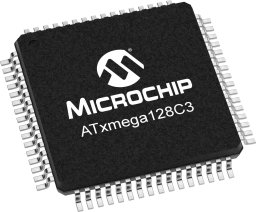
Microchip Technology | Crystals Oscillators Resonators | CMOS OUTPUT CLOCK OSCILLATOR, 24MHZ NOM |
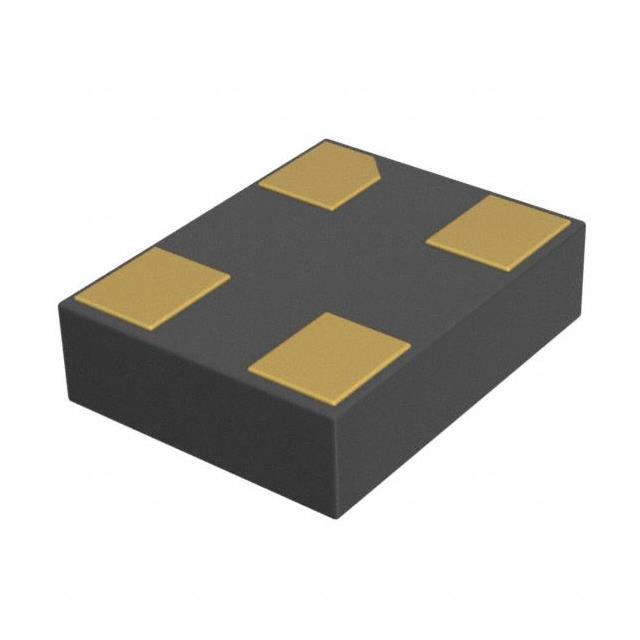 Microchip Technology | Crystals Oscillators Resonators | MEMS OSC |
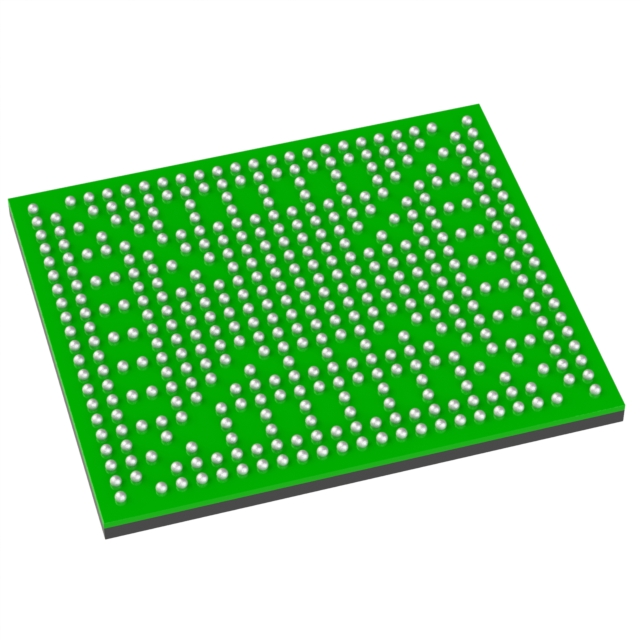 Microchip Technology | Integrated Circuits (ICs) | 1GHZ ARM CORTEX A7 W/ MIPI CAMERA AND 2GB INTEGRATED DDR3L |
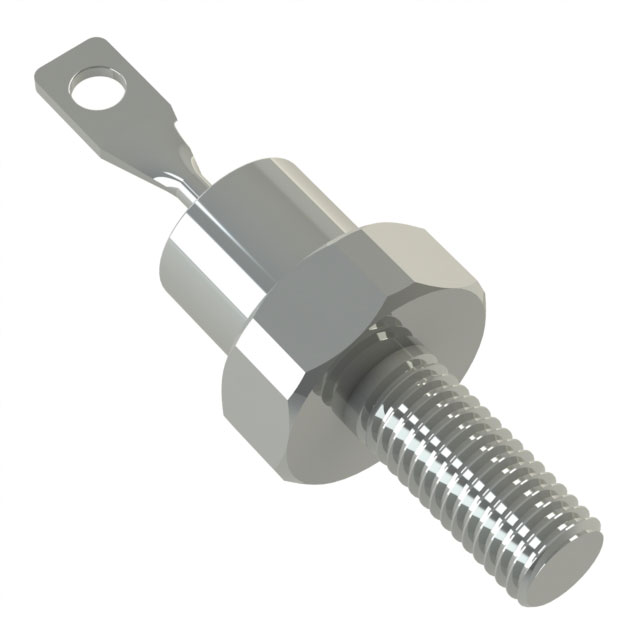 Microchip Technology | Discrete Semiconductor Products | DIODE GEN PURP 100V 12A DO203AA |
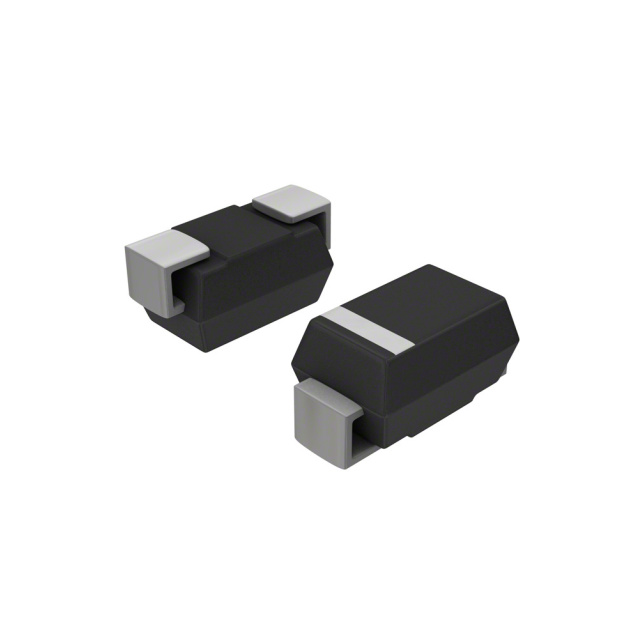 Microchip Technology MSMBJ5372BLTB | Circuit Protection | VOLTAGE REGULATOR |
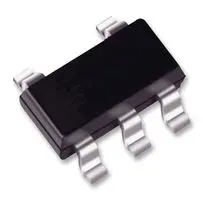 Microchip Technology | Integrated Circuits (ICs) | OPERATIONAL AMPLIFIER, 1 CHANNELS, 10 MHZ, 15 V/ΜS, 2.2V TO 5.5V, SOT-23, 5 PINS |
Microchip Technology LE9531CMQCTObsolete | Integrated Circuits (ICs) | IC TELECOM INTERFACE 28QFN |
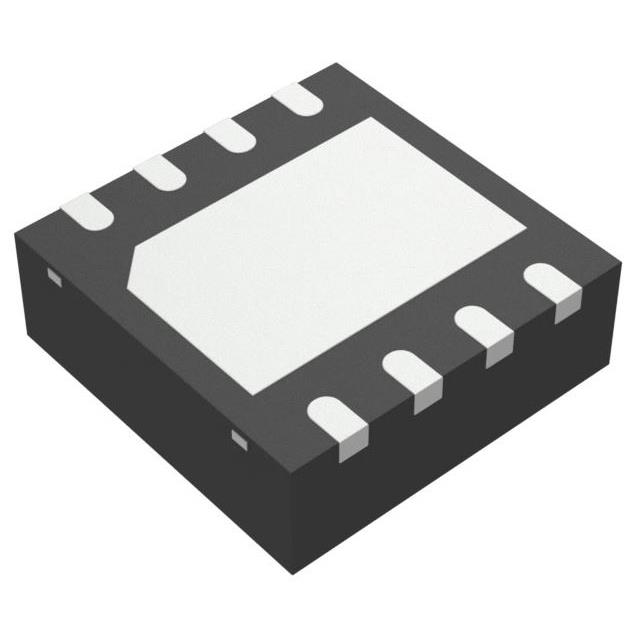 Microchip Technology MCP2021-330E/MD-AE2VAOObsolete | Integrated Circuits (ICs) | IC TRANSCEIVER |
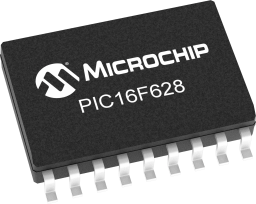 Microchip Technology | Integrated Circuits (ICs) | MCU 8-BIT PIC16 PIC RISC 3.5KB FLASH 3.3V/5V 18-PIN SOIC W TUBE |
Microchip Technology VCC6-LCF-212M500000Obsolete | Crystals Oscillators Resonators | DIFFERENTIAL XO +3.3 VDC +/-5% L |
| Series | Category | # Parts | Status | Description |
|---|---|---|---|---|
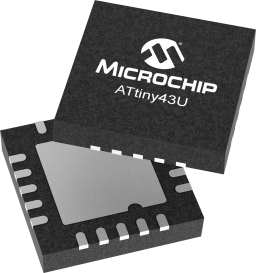
| Embedded | 2 | Active | The high-performance, ultra-low voltage 8-bit AVR® RISC-based microcontroller combines 4 KB Flash memory, 64B EEPROM, 256B SRAM, 16 general purpose I/O lines, 32 general purpose working registers, two 8-bit timer/counters with two PWM channels, internal and external interrupts, a 4-channel 10-bit A/D converter, a universal serial interface (USI), programmable watchdog timer with internal oscillator, internally calibrated oscillator, and three software selectable power saving modes.
By executing powerful instructions in a single clock cycle, the device achieves throughputs approaching one MIPS per MHz, balancing power consumption and processing speed.
[AVR188: Design Guidelines for ATtiny43U](https://www.microchip.com/en-us/application-notes/an8206) | |
ATtiny44ANewer Device Available ATTINY44A | Integrated Circuits (ICs) | 24 | Active | The high-performance Microchip picoPower® 8-bit AVR® RISC-based microcontroller combines 4 KB ISP Flash memory, 256B EEPROM, 256B SRAM, 12 general purpose I/O lines, 32 general purpose working registers, an 8-bit timer/counter with two PWM channels, a 16-bit timer/counter with two PWM channels, internal and external interrupts, an 8-channel 10-bit A/D converter, programmable gain stage (1x, 20x) for 12 differential ADC channel pairs, programmable watchdog timer with internal oscillator, internally calibrated oscillator, and four software selectable power saving modes. The device operates between 1.8-5.5 volts.
By executing powerful instructions in a single clock cycle, the device achieves throughputs approaching one MIPS per MHz, balancing power consumption and processing speed. |
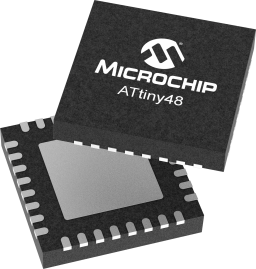
| Microcontrollers | 6 | Active | The Microchip picoPower® 8-bit AVR® RISC-based microcontroller features 4 KB of ISP Flash, 64B EEPROM, 256B SRAM, 8-bit timer/counter, and 16-bit timer/counter with PWM, 10-bit A/D converter, SPI, and debugWIRE for on-chip-debug. The device achieves up to 12 MIPS throughput at 12 MHz at 1.8-5.5 V operation.
By executing powerful instructions in a single clock cycle, the ATtiny48 achieves throughputs approaching one MIPS per MHz allowing you to optimize power consumption versus processing speed. | |
| Microcontrollers | 5 | Active | The ATtiny828 8-bit AVR® RISC-based microcontroller (MCU) with picoPower® technology features 8 KB of in-system programmable (ISP) Flash, 256B ISP EEPROM, 512B internal SRAM, 8-bit timer/counter and 16-bit timer/counter with PWM, 10-bit ADC,USART, TWI, 2 x SPI, 32.768 kHz ultra-low power oscillator, ±2% accurate 8 MHz internal oscillator and debugWIRE for on-chip-debug. The ATtiny828 MCU has 28 GPIO pins and ADC channels available on all pins.
By executing powerful instructions in a single clock cycle, the ATtiny828 device achieves throughputs approaching one MIPS per MHz, allowing you to optimize power consumption versus processing speed. The device also has a boot section and supports read-while-write self-programming of Flash. | |
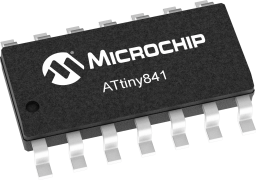
| Embedded | 4 | Active | **Support for the ATtiny841 within Microchip Studio 6.1 requires a device support package: DOWNLOAD**
The high-performance Microchip picoPower® 8-bit AVR® RISC-based microcontroller combines 8 KB ISP Flash memory, 512B EEPROM, 512B SRAM, 12 general purpose I/O lines, 32 general purpose working registers, one 8-bit timer/counter with two PWM channels, two 16-bit timer/counters with two PWM channels, internal and external interrupts, a 12-channel 10-bit A/D converter, two On-chip analog comparators, two full-duplex USARTs with Start Frame wake-up from power-down, host/client SPI serial interface, client I2C serial interface, programmable gain stage (1x, 20x, and 100x) for 12 differential ADC channel pairs, programmable watchdog timer with internal oscillator, internally calibrated oscillator, and four software selectable power saving modes. The device operates between 1.7-5.5 volts.
By executing powerful instructions in a single clock cycle, the device achieves throughputs approaching one MIPS per MHz, balancing power consumption and processing speed. | |
ATtiny84ANewer Device Available ATTINY84A | Integrated Circuits (ICs) | 19 | Active | The high-performance, Microchip's picoPower® 8-bit AVR® RISC-based microcontroller combines 8 KB ISP Flash memory, 512B EEPROM, 512B SRAM, 12 general purpose I/O lines, 32 general purpose working registers, two timer/counters (8-bit/16-bit) with two PWM channels each, internal and external interrupts, 8-channel 10-bit A/D converter, programmable gain stage (1x, 20x) for 12 differential ADC channel pairs, programmable watchdog timer with internal oscillator, internal calibrated oscillator, and four software selectable power saving modes. The device operates between 1.8-5.5 volts.
By executing powerful instructions in a single clock cycle, the device achieves throughputs approaching one MIPS per MHz, balancing power consumption and processor speed. |
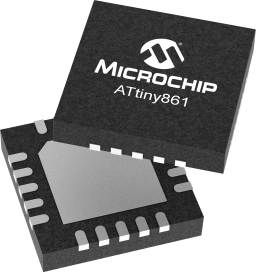
ATtiny861ANewer Device Available ATTINY861A | Embedded | 16 | Active | The high-performance Microchip 8-bit AVR® RISC-based microcontroller combines 8 KB ISP Flash memory, 512B EEPROM, 512B SRAM, 16 general purpose I/O lines, 32 general purpose working registers, debugWIRE for on-chip debugging, an 8-bit timer/counter with compare modes, an 8-bit high-speed timer/counter with PWM and separate prescaler, universal serial interface (USI), internal and external interrupts, an 11-channel 10-bit A/D converter, programmable watchdog timer with internal oscillator, and four software selectable power saving modes. The device operates between 2.7-5.5 volts.
By executing powerful instructions in a single clock cycle, the device achieves throughputs approaching one MIPS per MHz, balancing power consumption and processor speed.
Also see the picoPower® version: ATtiny861A |
ATxmega128A1UNot Recommended for new designs | Microcontrollers | 56 | Active | The high-performance, low-power 8-/16-bit AVR® XMEGA® microcontroller combines 128 KB ISP Flash memory (8 KB boot code section) with read-while-write capabilities, 2 KB EEPROM, 8 KB SRAM, four-channel event system, a programmable multi-level interrupt controller, 34 general purpose I/O lines, a 16-bit real-time counter, four flexible 16-bit timer/counters with compare modes and PWM, two USARTs, two Two-Wire Interfaces (TWIs), two Serial Peripheral Interfaces (SPIs), one 12-channel/12-bit A/D converter with optional differential input with programmable gain, two analog comparators with window mode, a programmable watchdog timer with separate internal oscillator, accurate internal oscillators with PLL and prescaler, and programmable brown-out detection. The Program and Debug Interface (PDI), a fast 2-pin interface for programming and debugging, is available. By executing powerful instructions in a single clock cycle, the device achieves throughputs approaching one MIPS per MHz, balancing power consumption and processing speed. |
| Embedded | 34 | Active | The high-performance, low-power 8/16-bit AVR® XMEGA microcontroller combines 16KB ISP flash memory (plus 4KB boot code section) with read-while-write capabilities, 512B EEPROM, 2KB SRAM, eight-channel event system, a programmable multi-level interrupt controller, 26 general purpose I/O lines, one 16-bit real time counter, three flexible 16-bit timer/counters with compare modes and PWM, two USARTs (with SPI Master mode), one Two-Wire Interfaces (TWI) with SMBUs Level 1 support, one Serial Peripheral Interface (SPI), one 16-channel/12-bit 300 ksps A/D converter with optional differential input with programmable gain, one two-channel 12-bit 1 Msps D/A converter, two analog comparators with window mode, a programmable watchdog timer with separate internal oscillator, accurate internal oscillators with PLL and prescaler, and programmable brown-out detection.
The XMEGA E devices feature an innovative XMEGA Custom Logic module (XCL) consisting of two independent 8-bit timer/counters and two lookup tables used for defining glue logic. It is designed to reduce bill of material (BOM) and PCB size as the XCL can replace external circuitry such as delay elements, RS-latches, D-latches, D-flip-flops chip-select logic, AND, NAND, OR, NOR, XOR, XNOR, NOT, MUX AND/OR/XOR logic gates. In addition it can together with the USART enable customized communication protocols. By executing powerful instructions in a single clock cycle, the device achieves throughputs approaching 1 MIPS per MHz, balancing power consumption and processing speed. | |
| Integrated Circuits (ICs) | 17 | Active | The high-performance, low-power 8/16-bit AVR® XMEGA® microcontroller combines 192 KB ISP Flash memory (8 KB boot code section) with read-while-write capabilities, 2 KB EEPROM, 16 KB SRAM, a four-channel event system, a programmable multi-level interrupt controller, 50 general purpose I/O lines, a 16-bit real-time counter, five flexible 16-bit timer/counters with compare modes and PWM, three USARTs, two Two-Wire interfaces, two serial peripheral interfaces, one 16-channel/12-bit A/D converter with optional differential input with programmable gain, two analog comparators with window mode, a programmable watchdog timer with separate internal oscillator, accurate internal oscillators with PLL and prescaler, and a programmable brown-out detection. The Program and Debug Interface (PDI), a fast 2-pin interface for programming and debugging, is available. By executing powerful instructions in a single clock cycle, the device achieves throughputs approaching one MIPS per MHz, balancing power consumption and processing speed. | |