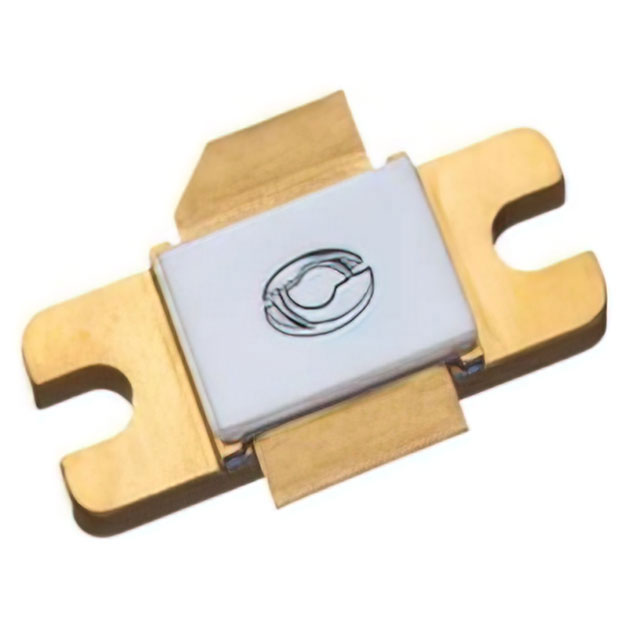
15KPA60C-e315,000 Watt Transient Voltage Suppressor (TVS) Protection Device | Transient Voltage Suppressors (TVS) | 1 | Active | The 15KPA17e3 - 15KPA280CAe3 series of devices clamps dangerous high-voltage short-term transients such as those produced by the secondary effects of lightning strikes, providing circuit protection to several class levels in the IEC61000-4-5 specification. Clamping time is virtually instantaneous. It also provides protection from transients caused by inductive load dumps, induced RFI, and ESD, providing protection to IEC61000-4-2 and -4-4. |
15KPA6415,000 Watt Transient Voltage Suppressor (TVS) Protection Device | TVS Diodes | 2 | Active | The 15KPA17e3 - 15KPA280CAe3 series of devices clamps dangerous high-voltage short-term transients such as those produced by the secondary effects of lightning strikes, providing circuit protection to several class levels in the IEC61000-4-5 specification. Clamping time is virtually instantaneous. It also provides protection from transients caused by inductive load dumps, induced RFI, and ESD, providing protection to IEC61000-4-2 and -4-4. |
15KPA64A-e315,000 Watt Transient Voltage Suppressor (TVS) Protection Device | Transient Voltage Suppressors (TVS) | 1 | Active | The 15KPA17e3 - 15KPA280CAe3 series of devices clamps dangerous high-voltage short-term transients such as those produced by the secondary effects of lightning strikes, providing circuit protection to several class levels in the IEC61000-4-5 specification. Clamping time is virtually instantaneous. It also provides protection from transients caused by inductive load dumps, induced RFI, and ESD, providing protection to IEC61000-4-2 and -4-4. |
15KPA7015,000 Watt Transient Voltage Suppressor (TVS) Protection Device | Transient Voltage Suppressors (TVS) | 4 | Active | The 15KPA17e3 - 15KPA280CAe3 series of devices clamps dangerous high-voltage short-term transients such as those produced by the secondary effects of lightning strikes, providing circuit protection to several class levels in the IEC61000-4-5 specification. Clamping time is virtually instantaneous. It also provides protection from transients caused by inductive load dumps, induced RFI, and ESD, providing protection to IEC61000-4-2 and -4-4. |
15KPA7515,000 Watt Transient Voltage Suppressor (TVS) Protection Device | Circuit Protection | 4 | Active | The 15KPA17e3 - 15KPA280CAe3 series of devices clamps dangerous high-voltage short-term transients such as those produced by the secondary effects of lightning strikes, providing circuit protection to several class levels in the IEC61000-4-5 specification. Clamping time is virtually instantaneous. It also provides protection from transients caused by inductive load dumps, induced RFI, and ESD, providing protection to IEC61000-4-2 and -4-4. |
15KPA7815,000 Watt Transient Voltage Suppressor (TVS) Protection Device | Diodes | 3 | Active | The 15KPA17e3 - 15KPA280CAe3 series of devices clamps dangerous high-voltage short-term transients such as those produced by the secondary effects of lightning strikes, providing circuit protection to several class levels in the IEC61000-4-5 specification. Clamping time is virtually instantaneous. It also provides protection from transients caused by inductive load dumps, induced RFI, and ESD, providing protection to IEC61000-4-2 and -4-4. |
15KPA8515,000 Watt Transient Voltage Suppressor (TVS) Protection Device | Transient Voltage Suppressors (TVS) | 4 | Active | The 15KPA17e3 - 15KPA280CAe3 series of devices clamps dangerous high-voltage short-term transients such as those produced by the secondary effects of lightning strikes, providing circuit protection to several class levels in the IEC61000-4-5 specification. Clamping time is virtually instantaneous. It also provides protection from transients caused by inductive load dumps, induced RFI, and ESD, providing protection to IEC61000-4-2 and -4-4. |
15KPA9015,000 Watt Transient Voltage Suppressor (TVS) Protection Device | TVS Diodes | 3 | Active | The 15KPA17e3 - 15KPA280CAe3 series of devices clamps dangerous high-voltage short-term transients such as those produced by the secondary effects of lightning strikes, providing circuit protection to several class levels in the IEC61000-4-5 specification. Clamping time is virtually instantaneous. It also provides protection from transients caused by inductive load dumps, induced RFI, and ESD, providing protection to IEC61000-4-2 and -4-4. |
15KPA90-e315,000 Watt Transient Voltage Suppressor (TVS) Protection Device | Transient Voltage Suppressors (TVS) | 1 | Active | The 15KPA17e3 - 15KPA280CAe3 series of devices clamps dangerous high-voltage short-term transients such as those produced by the secondary effects of lightning strikes, providing circuit protection to several class levels in the IEC61000-4-5 specification. Clamping time is virtually instantaneous. It also provides protection from transients caused by inductive load dumps, induced RFI, and ESD, providing protection to IEC61000-4-2 and -4-4. |
1N1124Rectifier Diode Switching 2-Pin 200V, 3.3A DO-4 Tray | Single Diodes | 3 | Active | undefined |