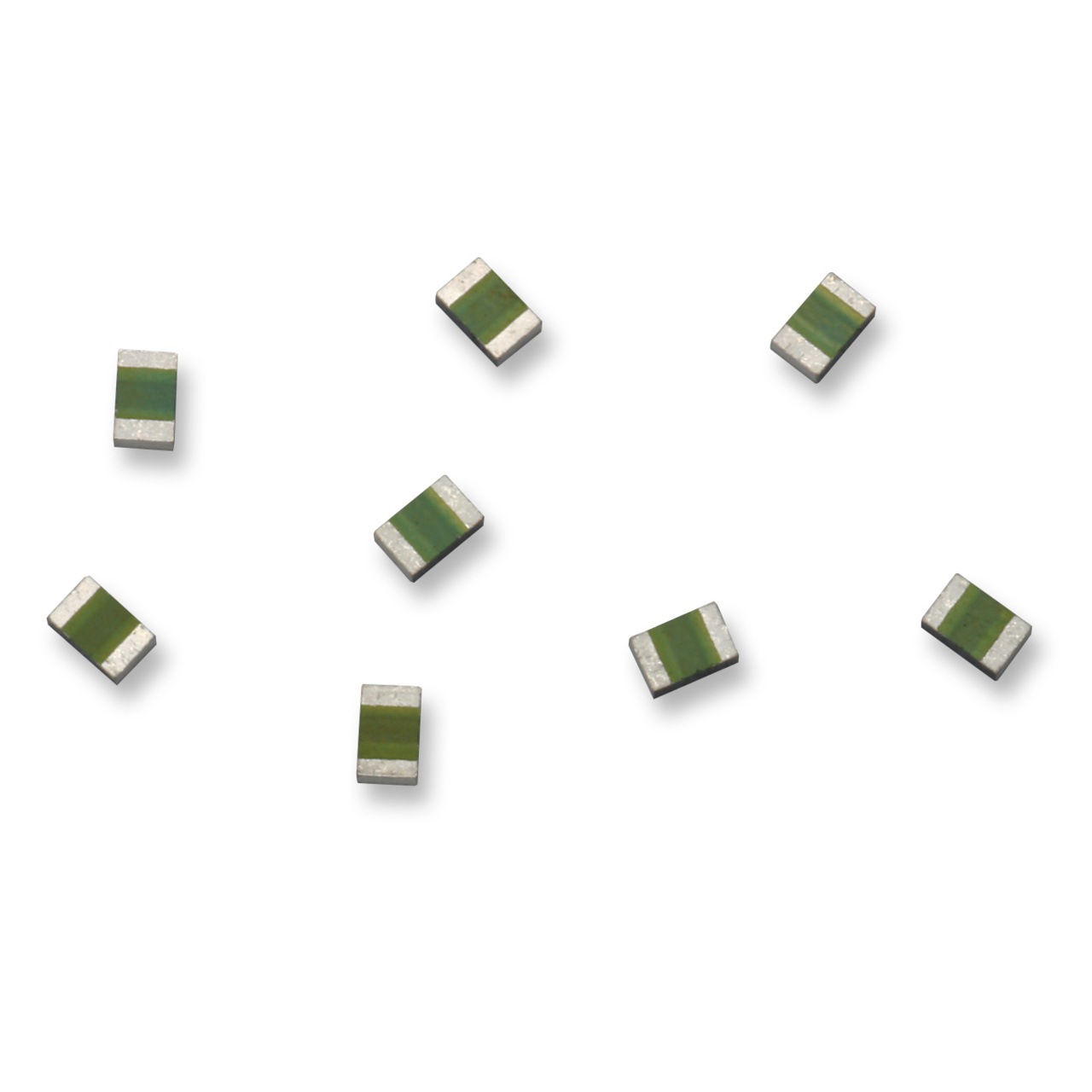
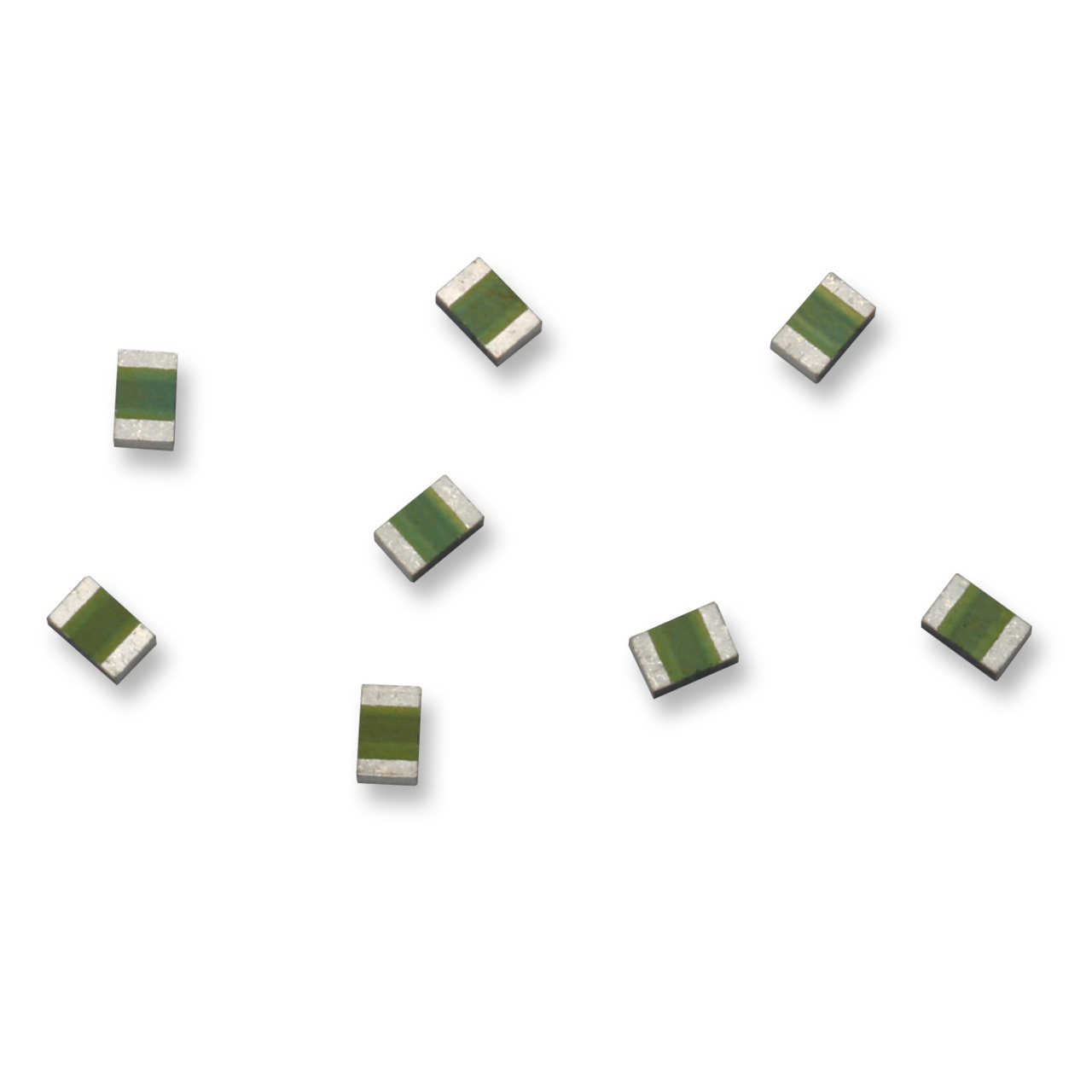
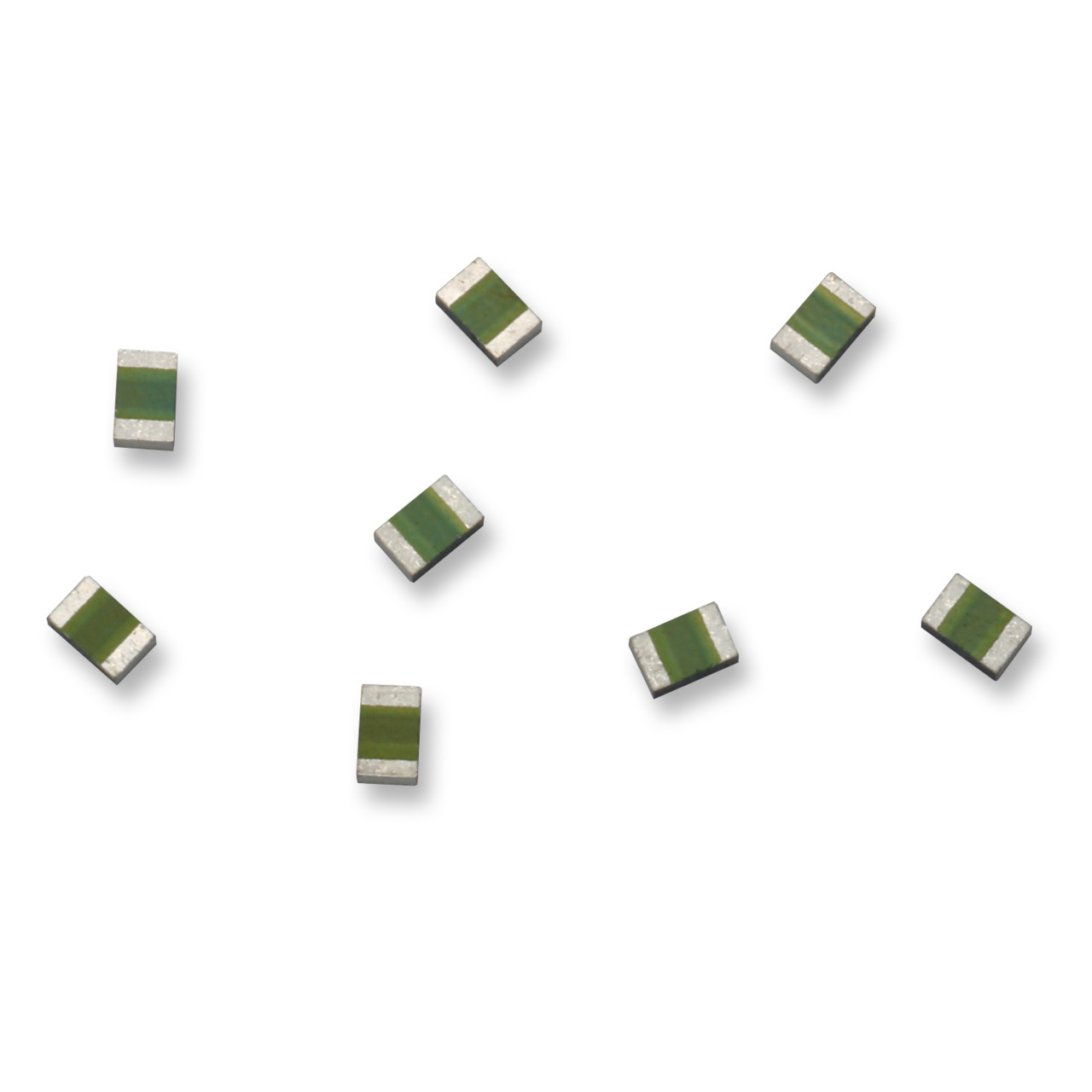
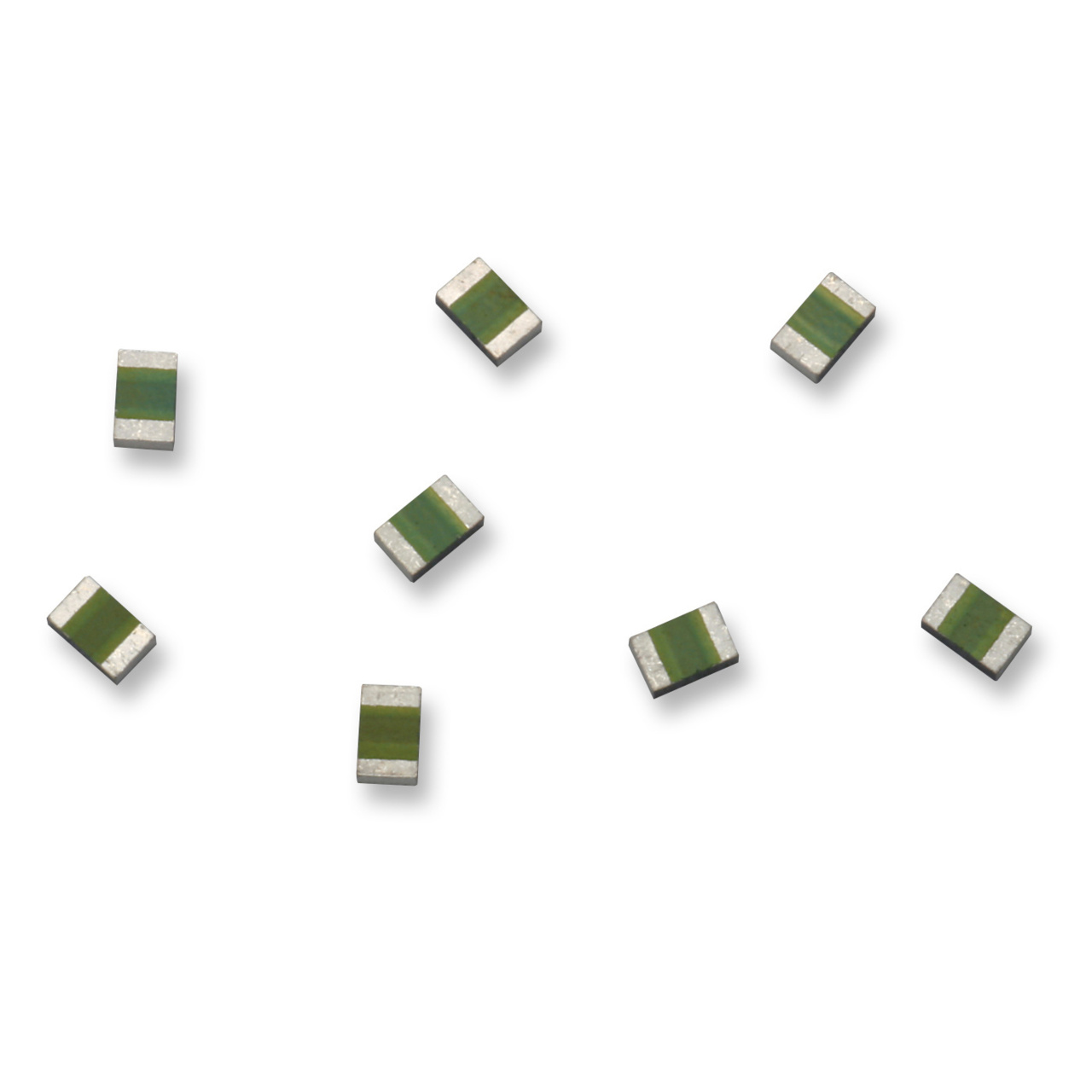
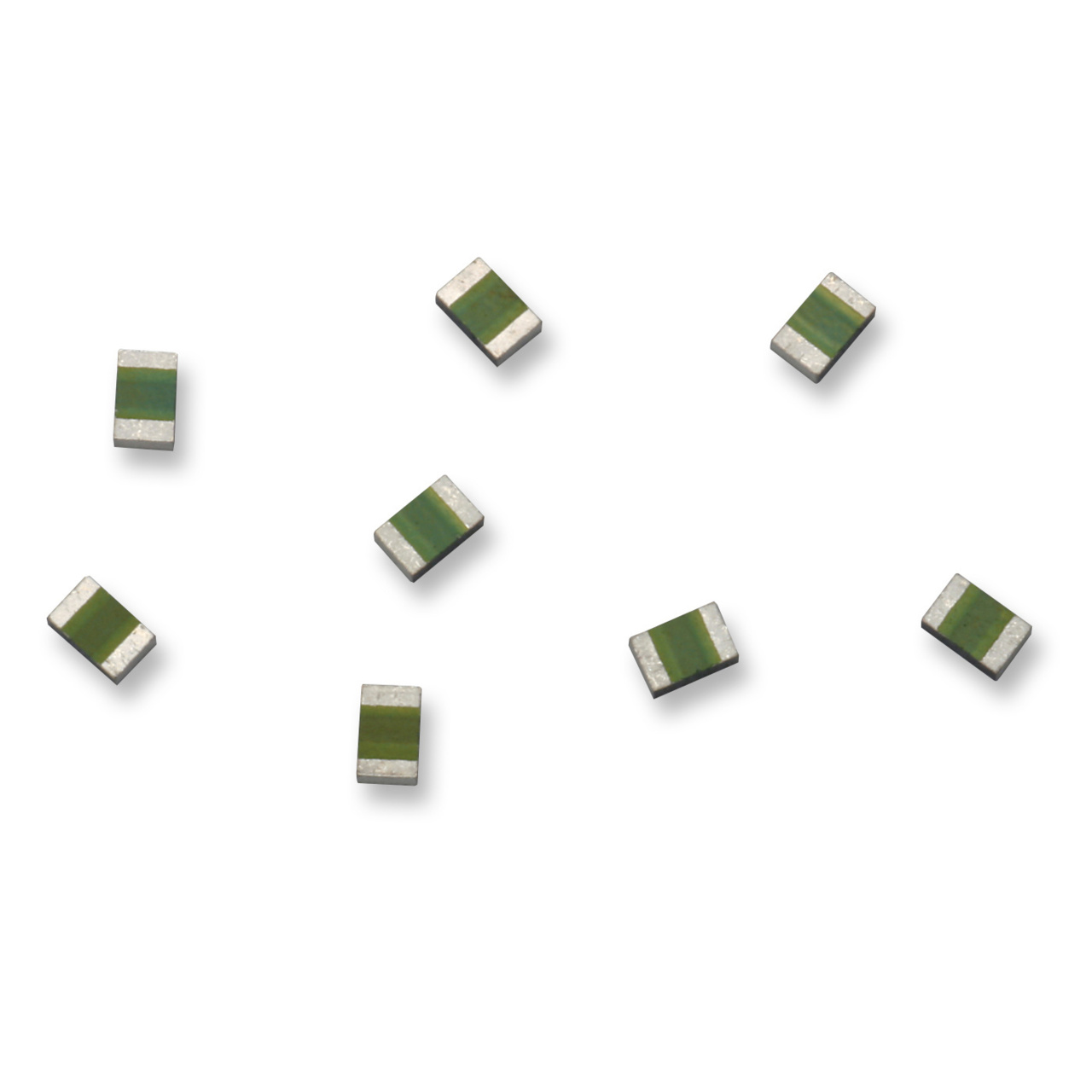
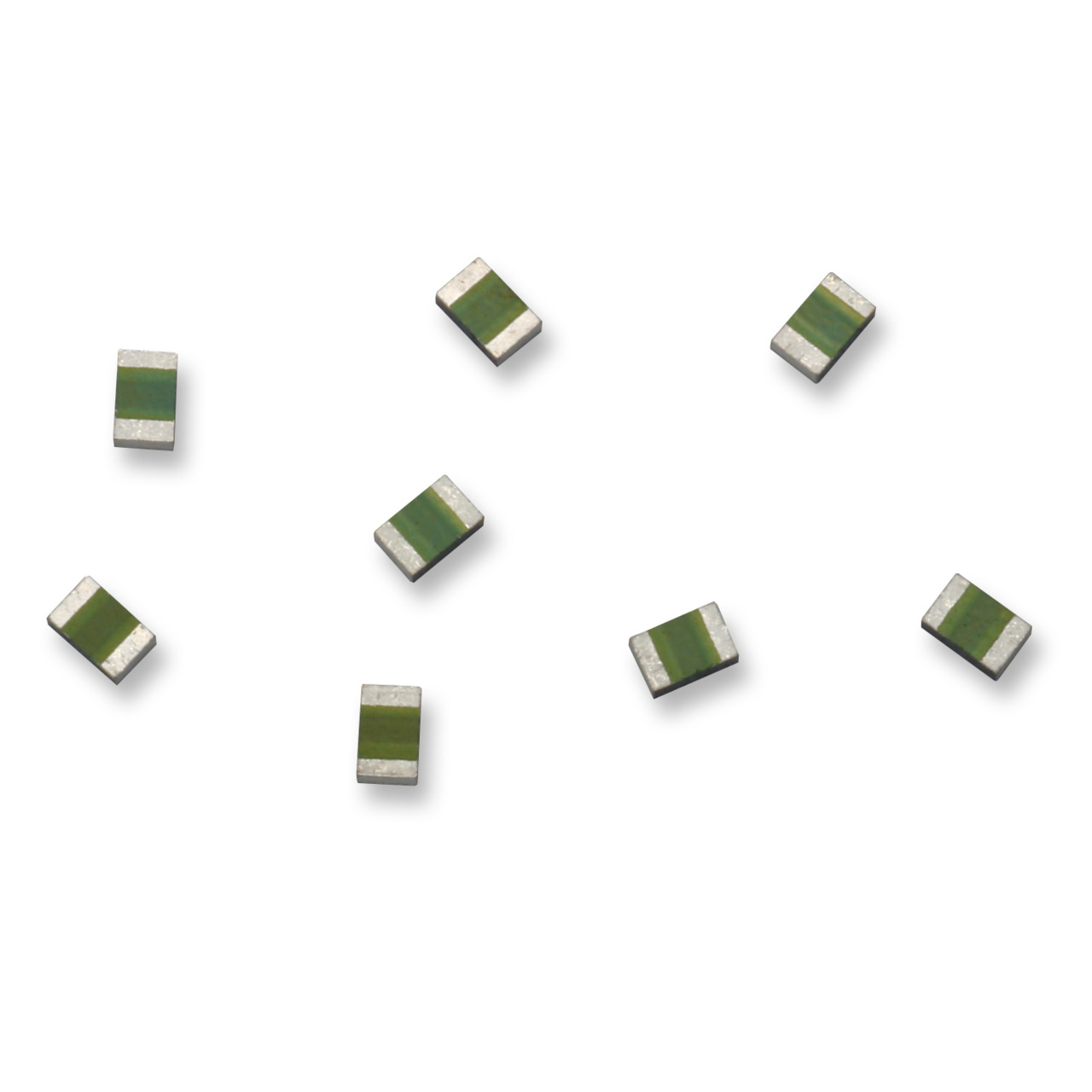
| Sensors, Transducers | 1 | Unknown | Littelfuse surface mount end-banded thermistor elements are designed for use on hybrid substrates, integrated circuits or printed circuit boards. They have a solder coated metallization which is suitable for various contact techniques including wire bond, epoxy or solder. Since they are manufactured using the most advanced equipment and technology available, their dimensional parameters are extremely uniform making the devices especially suitable for use with automatic handling and placement equipment. Options: Non-standard resistance values and tolerances Tape and reel packaging Solder coated metallization |
| Sensors, Transducers | 1 | Active | Littelfuse surface mount end-banded thermistor elements are designed for use on hybrid substrates, integrated circuits or printed circuit boards. They have a solder coated metallization which is suitable for various contact techniques including wire bond, epoxy or solder. Since they are manufactured using the most advanced equipment and technology available, their dimensional parameters are extremely uniform making the devices especially suitable for use with automatic handling and placement equipment. Options: Non-standard resistance values and tolerances Tape and reel packaging Solder coated metallization |
KR204R0JNTC THERMISTOR 200K OHM 5% 0805 SMT | Temperature Sensors | 1 | Active | Littelfuse surface mount end-banded thermistor elements are designed for use on hybrid substrates, integrated circuits or printed circuit boards. They have a solder coated metallization which is suitable for various contact techniques including wire bond, epoxy or solder. Since they are manufactured using the most advanced equipment and technology available, their dimensional parameters are extremely uniform making the devices especially suitable for use with automatic handling and placement equipment. Options: Non-standard resistance values and tolerances Tape and reel packaging Solder coated metallization |
| Temperature Sensors | 1 | Obsolete | Littelfuse surface mount end-banded thermistor elements are designed for use on hybrid substrates, integrated circuits or printed circuit boards. They have a solder coated metallization which is suitable for various contact techniques including wire bond, epoxy or solder. Since they are manufactured using the most advanced equipment and technology available, their dimensional parameters are extremely uniform making the devices especially suitable for use with automatic handling and placement equipment. Options: Non-standard resistance values and tolerances Tape and reel packaging Solder coated metallization |
KR303K0JNTC THERMISTOR 30K OHM 5% 0805 SMT | Sensors, Transducers | 1 | Obsolete | Littelfuse surface mount end-banded thermistor elements are designed for use on hybrid substrates, integrated circuits or printed circuit boards. They have a solder coated metallization which is suitable for various contact techniques including wire bond, epoxy or solder. Since they are manufactured using the most advanced equipment and technology available, their dimensional parameters are extremely uniform making the devices especially suitable for use with automatic handling and placement equipment. Options: Non-standard resistance values and tolerances Tape and reel packaging Solder coated metallization |
KR502F0JNTC THERMISTOR 5K OHM 5% 0805 SMT | NTC Thermistors | 1 | Active | Littelfuse surface mount end-banded thermistor elements are designed for use on hybrid substrates, integrated circuits or printed circuit boards. They have a solder coated metallization which is suitable for various contact techniques including wire bond, epoxy or solder. Since they are manufactured using the most advanced equipment and technology available, their dimensional parameters are extremely uniform making the devices especially suitable for use with automatic handling and placement equipment. Options: Non-standard resistance values and tolerances Tape and reel packaging Solder coated metallization |
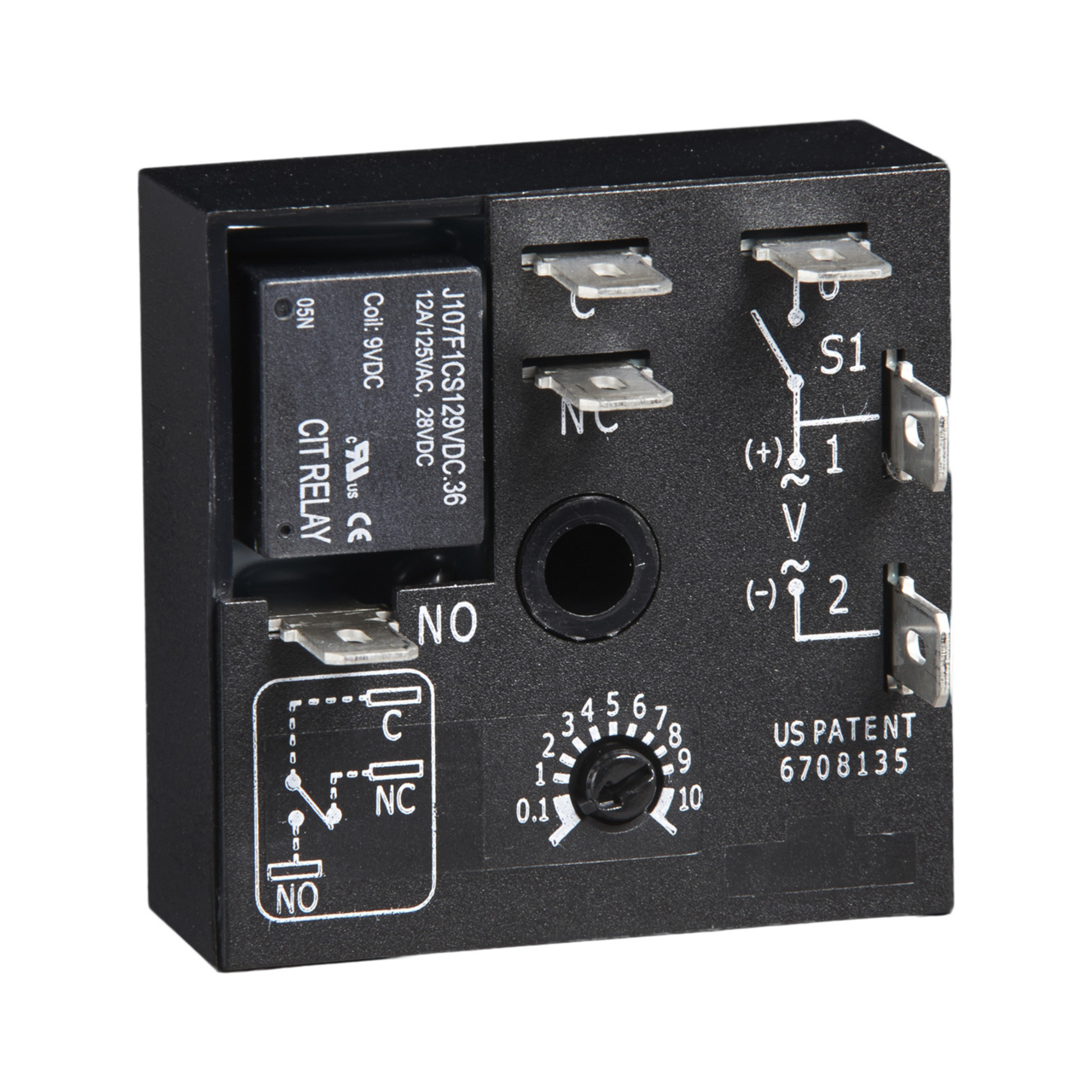
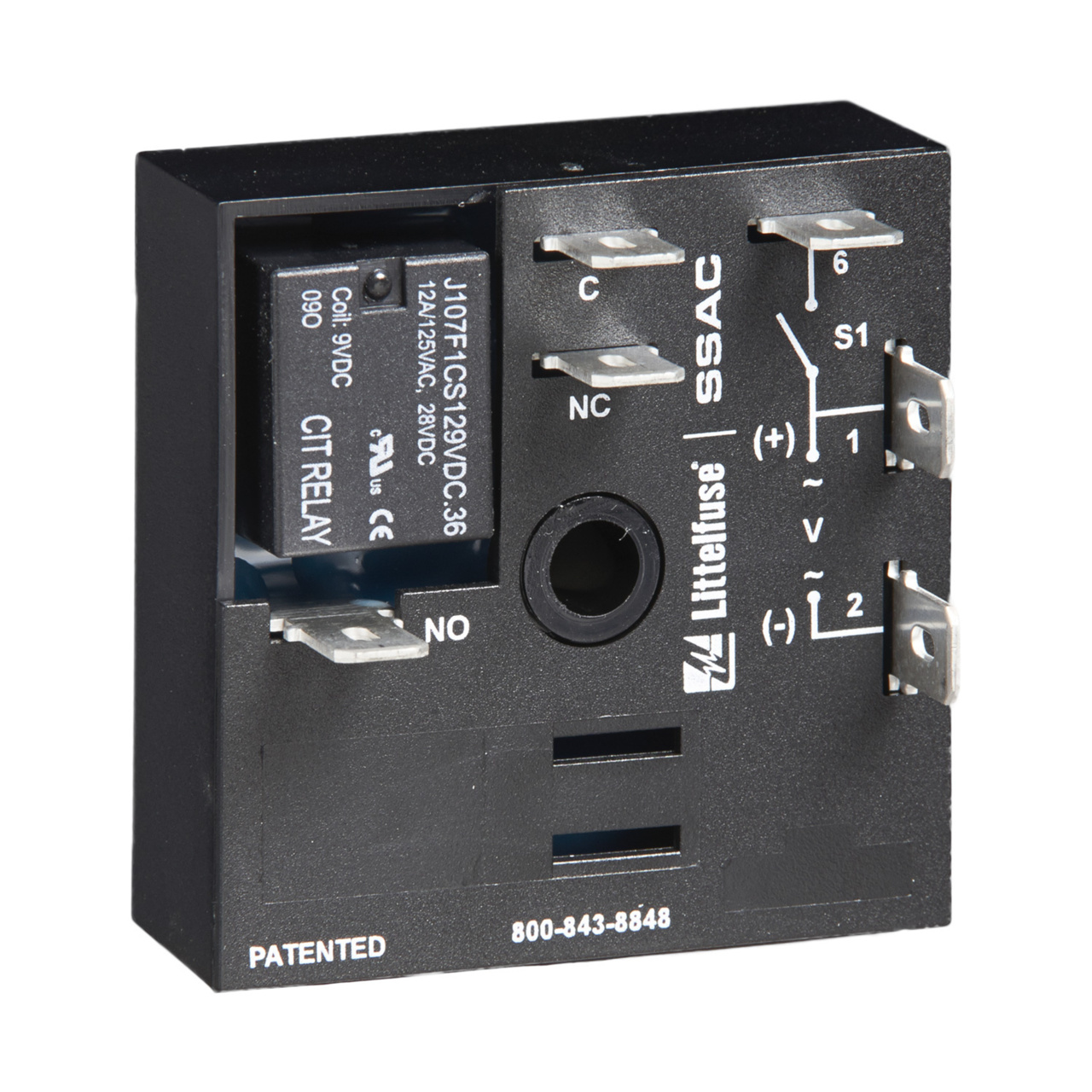
| Industrial Automation and Controls | 1 | Active | The KRD9 Series microcontroller timing circuit provides excellent repeat accuracy and stability. Cost effective approach for OEM applications that require small size, isolation, reliability, and long life. Operation (Retriggerable Single Shot)Function Type A (Output Initially De-energized): Input voltage must be applied prior to and during timing. When the initiate switch is closed, (momentary or maintained) the output energizes and the time delay starts. On completion of the delay, the output de-energizes. The unit will time out if S1 remains in the open or closed position for the full time delay. Re-closing the initiate switch resets the time delay and restarts timing; the output remains energized. The output will not energize if the initiate switch is closed when input voltage is applied. Function Type B (Output Initially Energized): Upon application of input voltage, the output energizes and the time delay starts. At the end of the time delay, the load de-energizes. The unit will time out if S1 remains in the open or closed position for the full time delay. Closing (re-closing) the initiate switch resets the time delay and restarts timing; the output remains energized.Reset: The time delay and the output are reset when input voltage is removed. |
| Time Delay Relays | 3 | Active | The KRD9 Series microcontroller timing circuit provides excellent repeat accuracy and stability. Cost effective approach for OEM applications that require small size, isolation, reliability, and long life. Operation (Retriggerable Single Shot)Function Type A (Output Initially De-energized): Input voltage must be applied prior to and during timing. When the initiate switch is closed, (momentary or maintained) the output energizes and the time delay starts. On completion of the delay, the output de-energizes. The unit will time out if S1 remains in the open or closed position for the full time delay. Re-closing the initiate switch resets the time delay and restarts timing; the output remains energized. The output will not energize if the initiate switch is closed when input voltage is applied. Function Type B (Output Initially Energized): Upon application of input voltage, the output energizes and the time delay starts. At the end of the time delay, the load de-energizes. The unit will time out if S1 remains in the open or closed position for the full time delay. Closing (re-closing) the initiate switch resets the time delay and restarts timing; the output remains energized.Reset: The time delay and the output are reset when input voltage is removed. |
| Time Delay Relays | 1 | Active | The KRDB Series is a compact time delay relay measuring only 2 in. (50.8 mm) square. Its microcontroller timing circuit provides excellent repeat accuracy and stability. Encapsulation protects against shock, vibration, and humidity. The KRDB Series is a cost effective approach for OEM applications that require small size, isolation, reliability, and long life. Operation (Delay-on-Break) Input voltage must be applied before and during timing. Upon closure of the initiate switch, the output relay energizes. The time delay begins when the initiate switch is opened. The output remains energized during timing. At the end of the time delay, the output de-energizes. The output will energize if the initiate switch is closed when input voltage is applied.Reset: Reclosing the initiate switch during timing resets the time delay. Loss of input voltage resets the time delay and output. |
| Time Delay Relays | 2 | Active | The KRDB Series is a compact time delay relay measuring only 2 in. (50.8 mm) square. Its microcontroller timing circuit provides excellent repeat accuracy and stability. Encapsulation protects against shock, vibration, and humidity. The KRDB Series is a cost effective approach for OEM applications that require small size, isolation, reliability, and long life. Operation (Delay-on-Break) Input voltage must be applied before and during timing. Upon closure of the initiate switch, the output relay energizes. The time delay begins when the initiate switch is opened. The output remains energized during timing. At the end of the time delay, the output de-energizes. The output will energize if the initiate switch is closed when input voltage is applied.Reset: Reclosing the initiate switch during timing resets the time delay. Loss of input voltage resets the time delay and output. |