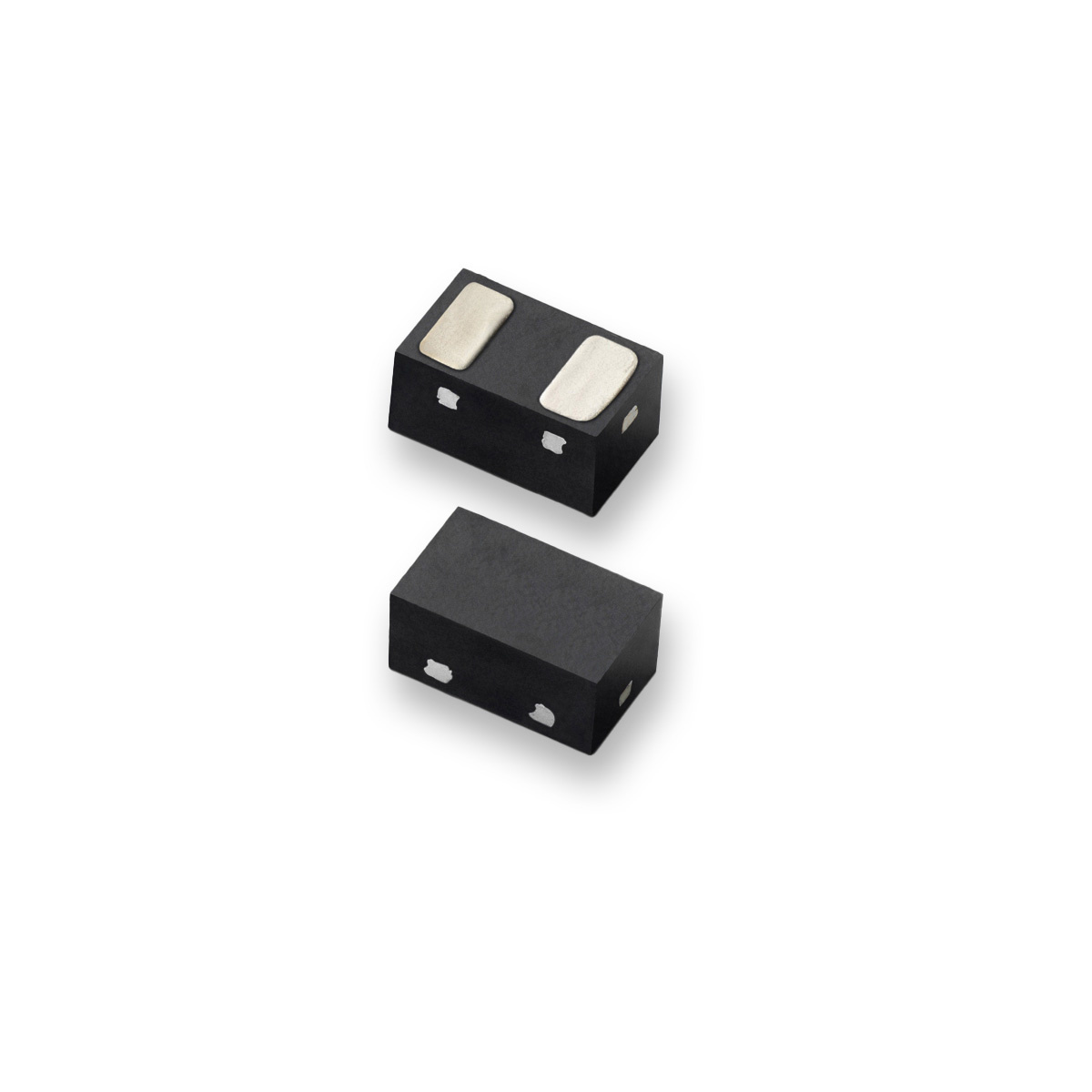
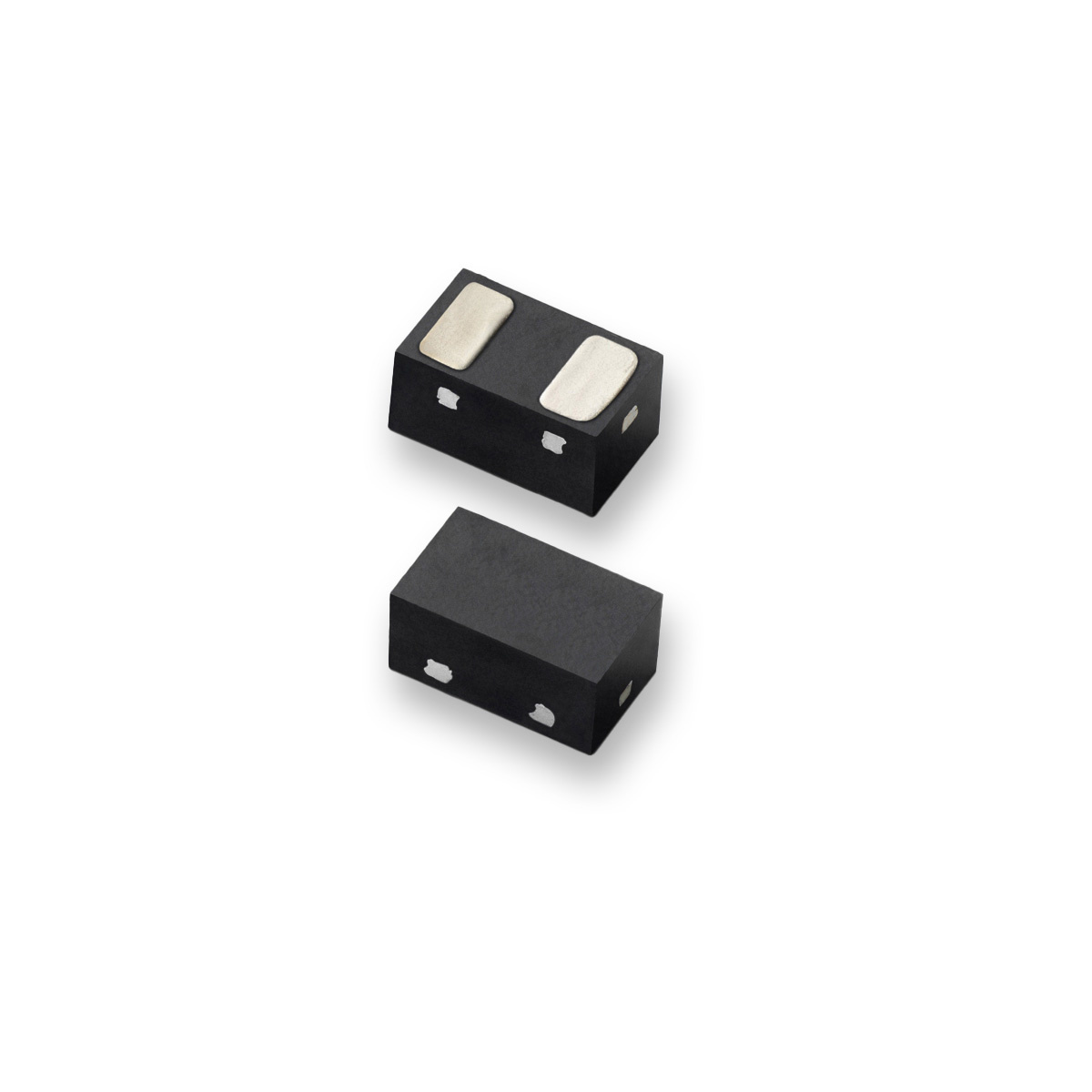
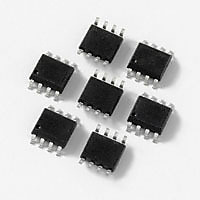
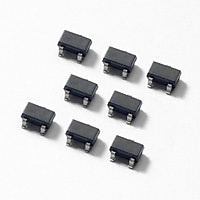
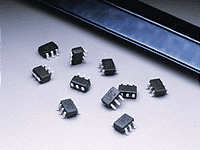
| Circuit Protection | 1 | Active | The Bidirectional SPHV-C series is designed for use in portable applications, LED lighting modules, automotive applications, and low speed I/Os. It will protect sensitive equipment from damage due to electrostatic discharge (ESD) and other overvoltage transients. The SPHV-C series can safely absorb repetitive ESD strikes above the maximum level of the IEC 61000-4-2 international standard (Level 4, ±8kV contact discharge) without performance degradation and safely dissipate up to 8A (SPHV12-C) of induced surge current (IEC 61000-4-5, 2nd Edition tP=8/20μs) with very low clamping voltages. |
| Transient Voltage Suppressors (TVS) | 1 | Obsolete | This series is not recommended for new designs. Suggests to use SPHVxx-01ETG commercial series or AQHVxx-01ETG automotive grade series for the new designs in near future. The Littelfuse SPHV Series 200W Discrete Unidirectional TVS Diode Array (SPA® Diodes) is designed to protect sensitive equipment from damage due to electrostatic discharge (ESD) and other overvoltage transients far better than alternative technologies. The SPHV Series can safely absorb repetitive ESD strikes above the maximum level of the IEC61000-4-2 international standard without performance degradation and can safely dissipate up to 8A of induced surge current with 60 percent lower clamping voltages than alternative technologies. Their SOD882 packages make them well suited for replacing 0402-sized multilayer varistors (MLVs). |
| TVS Diodes | 1 | Obsolete | This series is not recommended for new designs. Suggests to use SPHVxx-01ETG-C commercial series or AQHVxx-01ETG-C automotive grade series for the new designs in near future. The Littelfuse SPHV-C Series 200W Discrete Bidirectional TVS Diode Array (SPA® Diodes) is designed to protect sensitive equipment from damage due to electrostatic discharge (ESD) and other overvoltage transients far better than alternative technologies. The SPHV-C Series can safely absorb repetitive ESD strikes above the maximum level of the IEC61000-4-2 international standard without performance degradation and can safely dissipate up to 8A of induced surge current with 60 percent lower clamping voltages than alternative technologies. Their SOD882 packages make them well suited for replacing 0402-sized multilayer varistors (MLVs). |
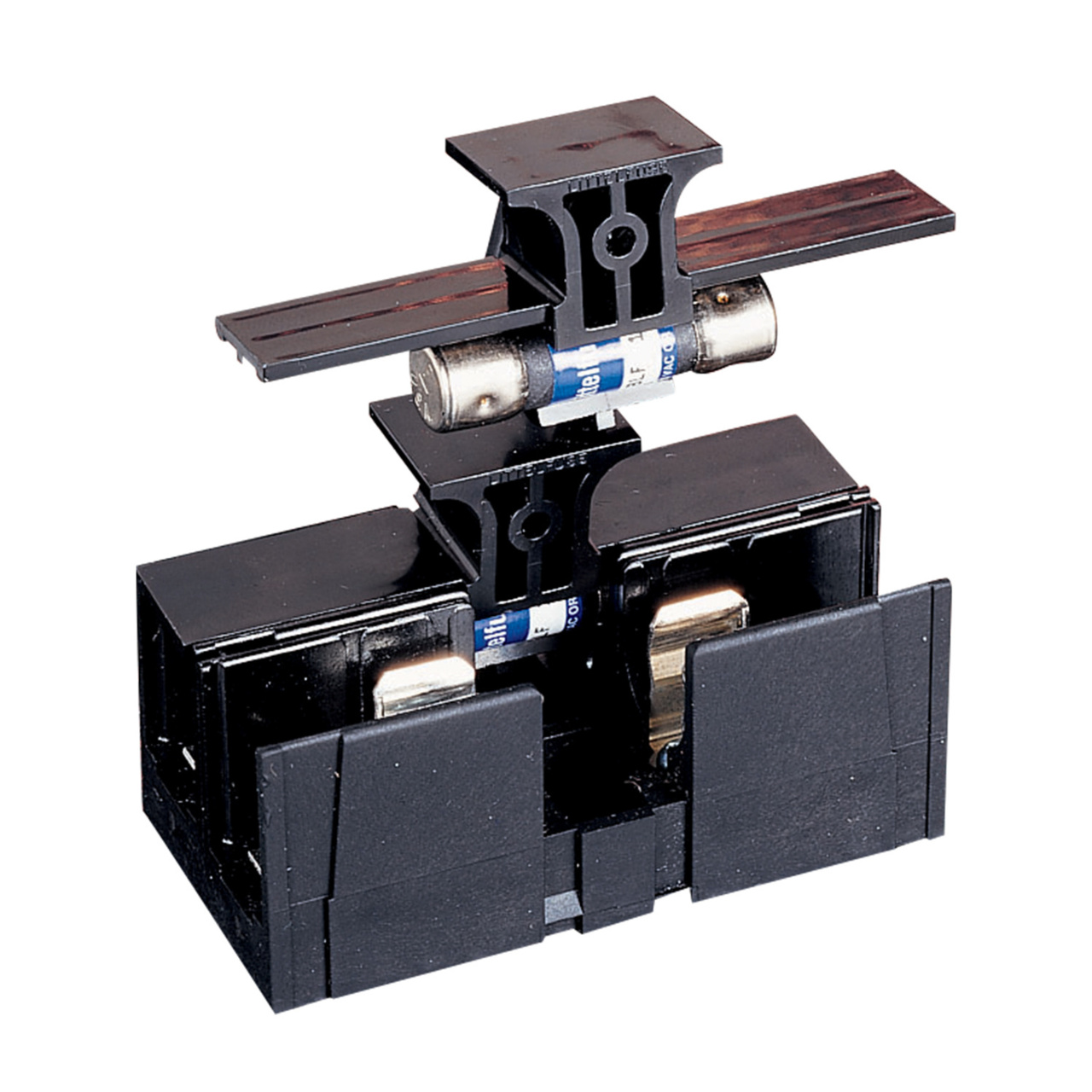
| Circuit Protection Accessories | 1 | Active | COVER PULLER PCB MIDGET/CC 30A 1 POLE |
SPL001ACS 600V COVER PULLER 30A 1 POLE | Circuit Protection | 1 | Active | ACS 600V COVER PULLER 30A 1 POLE |
| Circuit Protection | 1 | Obsolete | The SPLV2.8-4 was designed to protect low voltage, CMOS devices from ESD and lightning induced transients. There is a compensating diode in series with each low voltage TVS to present a low loading capacitance to the line being protected. These robust structures can safely absorb repetitive ESD strikes at ±30kV (contact discharge) per IEC61000-4-2 standard and each structure can safely dissipate up to 24A (IEC61000-4-5, tP=8/20μs) with very low clamping voltages. |
SPLV2.8HTG1Ch 2.8V 3.8pF TVS & Diode Array SOT23-3 | Transient Voltage Suppressors (TVS) | 1 | Obsolete | The SPLV2.8 was designed to protect low voltage, CMOS devices from ESD and lightning induced transients. There is a compensating diode in parallel with the low voltage TVS to protect one unidirectional line or a high speed data pair when two devices are paired together. These robust structures can safely absorb repetitive ESD strikes at ±30kV (contact discharge) per the IEC61000-4-2 standard and each structure can safely dissipate up to 24A (IEC61000-4-5, tP=8/20μs) with very low clamping voltages. |
| Electrical, Specialty Fuses | 5 | Obsolete | |
| Transient Voltage Suppressors (TVS) | 1 | Obsolete | The SPUSB1CJT and SPUSB1BJT are single-channel USB upstream-port termination networks. The SPUSB1 Series integrates EMI/RFI filter components R1 and C1, as recommended by the USB specification. Because these are upstream USB devices, they are terminated with a single 1.5K pull-resistor (R2) to VBUS. There are three options for the value of the series resistor R1: The SPUSB1AJT has R1=15?Ù¬ the SPUSB1CJT has R1=33?Ùand the SPUSB1BJT has R1=22?Ù® This series resistance must be close to the USB cable??s characteristic impedance of 45?Ù(90?Ùbalanced) to minimize transmission line reflections. In addition, these parts provide a very high level of protection for sensitive electronic components that may be subjected to electrostatic discharge (ESD). The input and output pins are designed and characterized to safely dissipate ESD strikes of 15kV, well beyond the maximum requirements of the IEC 61000-4-2 international standard. The VBUS pin is designed and characterized to safely dissipate ESD strikes of 25kV, according to the IEC 61000-4-2 international standard. The VBUS pin has greater ESD protection because in a USB connector, the VBUS prong is longer than the D+ and D- connector prongs and is first to make contact. Using the MIL-STD-883D (Method 3015) specification for Human Body Model (HBM) ESD, all pins are protected for contact discharges to greater than 30kV. |
| Circuit Protection | 1 | Obsolete | The SPUSB1CJT and SPUSB1BJT are single-channel USB upstream-port termination networks. The SPUSB1 Series integrates EMI/RFI filter components R1 and C1, as recommended by the USB specification. Because these are upstream USB devices, they are terminated with a single 1.5K pull-resistor (R2) to VBUS. There are three options for the value of the series resistor R1: The SPUSB1AJT has R1=15?Ù¬ the SPUSB1CJT has R1=33?Ùand the SPUSB1BJT has R1=22?Ù® This series resistance must be close to the USB cable??s characteristic impedance of 45?Ù(90?Ùbalanced) to minimize transmission line reflections. In addition, these parts provide a very high level of protection for sensitive electronic components that may be subjected to electrostatic discharge (ESD). The input and output pins are designed and characterized to safely dissipate ESD strikes of 15kV, well beyond the maximum requirements of the IEC 61000-4-2 international standard. The VBUS pin is designed and characterized to safely dissipate ESD strikes of 25kV, according to the IEC 61000-4-2 international standard. The VBUS pin has greater ESD protection because in a USB connector, the VBUS prong is longer than the D+ and D- connector prongs and is first to make contact. Using the MIL-STD-883D (Method 3015) specification for Human Body Model (HBM) ESD, all pins are protected for contact discharges to greater than 30kV. |