TCAN1463-Q1 Series
Automotive low-power signal improvement CAN FD transceiver with inhibit (INH) and WAKE
Manufacturer: Texas Instruments
Catalog
Automotive low-power signal improvement CAN FD transceiver with inhibit (INH) and WAKE
Key Features
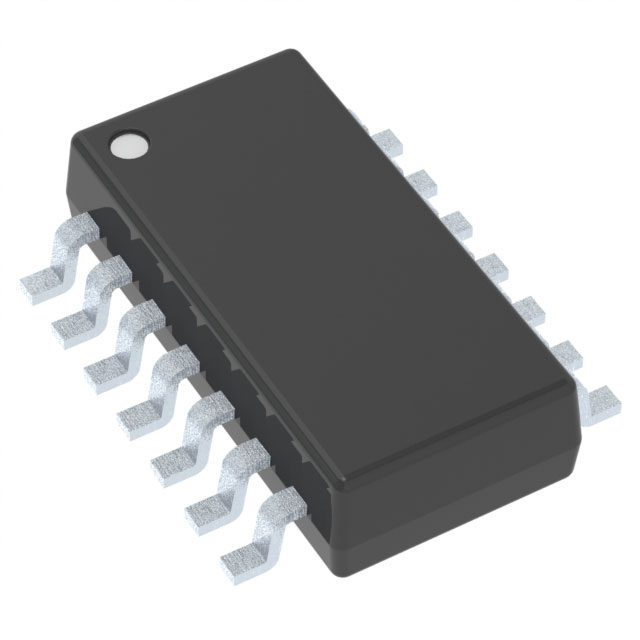
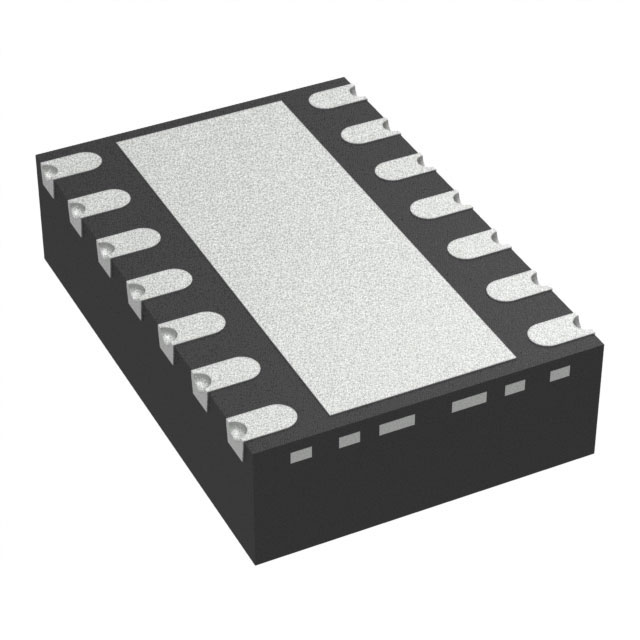
• AEC-Q100 (grade 1) qualified for automotive applicationsFunctional Safety-CapableDocumentation available to aid in functional safety system designMeets the requirements of ISO 11898-2:2016Implements Signal Improvement Capability (SIC) as defined in CiA 601-4Actively improves bus signal by eliminating ringing and enhancing bit symmetrySupports classic CAN and CAN FD up to 8 MbpsWide input operational voltage rangeVIOlevel shifting supports: 1.7 V to 5.5 VOperating modes:Normal modeSilent modeStandby modeLow-power sleep modeHigh-voltage INH output for system power controlINH_MASK pin to keep INH disabled during spurious wake-up eventsLocal wake-up support via the WAKE pinSleep Wake Error (SWE) timer enables safe transition from standby mode to sleep mode in the event of a system power failure or software faultAllows for extended power-up timeDefined behavior when unpoweredBus and IO terminals are high impedance (no load to operating bus or application)Protection features:±58-V CAN bus fault tolerantLoad dump support on VSUPIEC ESD protectionUndervoltage protectionThermal shutdown protectionTXD dominant state timeout (TXD DTO)Available in a 14-pin leaded (SOT and SOIC) packages, and leadless (VSON) package with wettable flanks for improved automated optical inspection (AOI) capabilityAEC-Q100 (grade 1) qualified for automotive applicationsFunctional Safety-CapableDocumentation available to aid in functional safety system designMeets the requirements of ISO 11898-2:2016Implements Signal Improvement Capability (SIC) as defined in CiA 601-4Actively improves bus signal by eliminating ringing and enhancing bit symmetrySupports classic CAN and CAN FD up to 8 MbpsWide input operational voltage rangeVIOlevel shifting supports: 1.7 V to 5.5 VOperating modes:Normal modeSilent modeStandby modeLow-power sleep modeHigh-voltage INH output for system power controlINH_MASK pin to keep INH disabled during spurious wake-up eventsLocal wake-up support via the WAKE pinSleep Wake Error (SWE) timer enables safe transition from standby mode to sleep mode in the event of a system power failure or software faultAllows for extended power-up timeDefined behavior when unpoweredBus and IO terminals are high impedance (no load to operating bus or application)Protection features:±58-V CAN bus fault tolerantLoad dump support on VSUPIEC ESD protectionUndervoltage protectionThermal shutdown protectionTXD dominant state timeout (TXD DTO)Available in a 14-pin leaded (SOT and SOIC) packages, and leadless (VSON) package with wettable flanks for improved automated optical inspection (AOI) capability
Description
AI
The TCAN1463-Q1 is a high-speed Controller Area Network (CAN) transceiver that meets the physical layer requirements of the ISO 11898-2:2016 high-speed CAN specification and the CiA 601-4 SIC specification. The device supports both classical CAN and CAN FD (flexible data rate) data rates up to 8 Megabits per second (Mbps).
The TCAN1463-Q1 reduces signal ringing at the dominant-to-recessive edge and enables higher throughput in complex network topologies. SIC allows the applications to extract the real benefit of CAN FD by operating at 2 Mbps, 5 Mbps, or beyond in large networks with multiple unterminated stubs. The device is pin compatible with classical CAN FD transceivers, such as TCAN1043A-Q1 or TCAN1043-Q1 when INH_MASK feature is not used (INH_MASK pin is left floating or connected to GND).
The TCAN1463-Q1 allows for system-level reductions in battery current consumption by selectively enabling the various power supplies that may be present on a system via the INH output pin. This allows a low-current sleep state in which power is gated to all system components except for the TCAN1463-Q1, while monitoring the CAN bus. When a wake-up event is detected, the TCAN1463-Q1 initiates system start-up by driving INH high.
The TCAN1463-Q1 features an SWE timer that enables a safe transition to Sleep mode after 4 minutes (tINACTIVE) of inactivity in Standby mode. This makes sure the device is transitioned to low-power Sleep mode if the MCU fails to transition the device to Normal mode.
The TCAN1463-Q1 is a high-speed Controller Area Network (CAN) transceiver that meets the physical layer requirements of the ISO 11898-2:2016 high-speed CAN specification and the CiA 601-4 SIC specification. The device supports both classical CAN and CAN FD (flexible data rate) data rates up to 8 Megabits per second (Mbps).
The TCAN1463-Q1 reduces signal ringing at the dominant-to-recessive edge and enables higher throughput in complex network topologies. SIC allows the applications to extract the real benefit of CAN FD by operating at 2 Mbps, 5 Mbps, or beyond in large networks with multiple unterminated stubs. The device is pin compatible with classical CAN FD transceivers, such as TCAN1043A-Q1 or TCAN1043-Q1 when INH_MASK feature is not used (INH_MASK pin is left floating or connected to GND).
The TCAN1463-Q1 allows for system-level reductions in battery current consumption by selectively enabling the various power supplies that may be present on a system via the INH output pin. This allows a low-current sleep state in which power is gated to all system components except for the TCAN1463-Q1, while monitoring the CAN bus. When a wake-up event is detected, the TCAN1463-Q1 initiates system start-up by driving INH high.
The TCAN1463-Q1 features an SWE timer that enables a safe transition to Sleep mode after 4 minutes (tINACTIVE) of inactivity in Standby mode. This makes sure the device is transitioned to low-power Sleep mode if the MCU fails to transition the device to Normal mode.