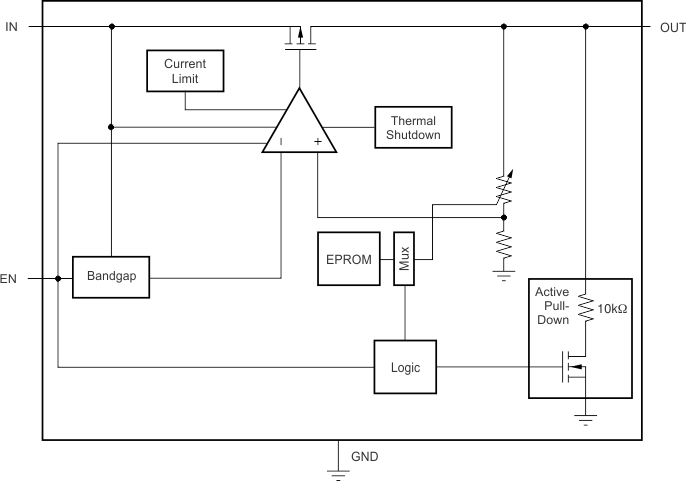
TPS782 Series
Manufacturer: Texas Instruments



150-MA, NANO-IQ, LOW-DROPOUT VOLTAGE REGULATOR WITH ENABLE FROM -40°C TO +125°C
| Part | Current - Output | Voltage Dropout (Max) [Max] | Number of Regulators | Mounting Type | PSRR | Supplier Device Package | Output Configuration | Control Features | Voltage - Input (Max) [Max] | Operating Temperature [Max] | Operating Temperature [Min] | Protection Features | Voltage - Output (Min/Fixed) | Current - Quiescent (Iq) | Package / Case | Current - Supply (Max) |
|---|---|---|---|---|---|---|---|---|---|---|---|---|---|---|---|---|
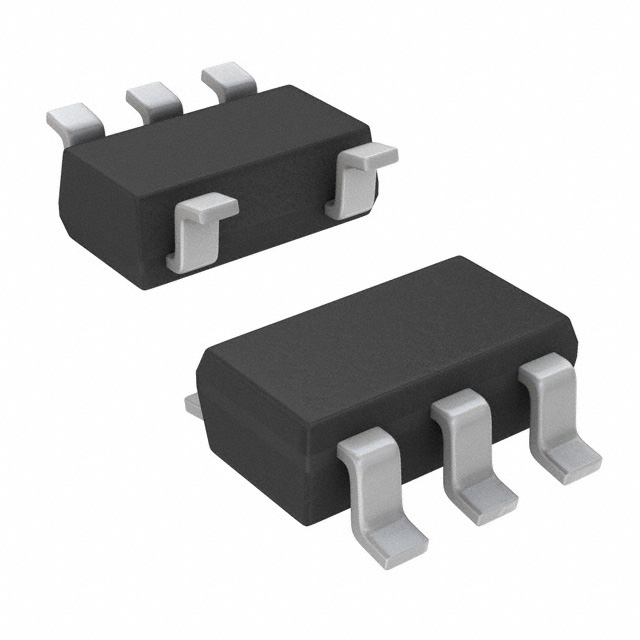 Texas Instruments | 150 mA | 0.25 V | 1 | Surface Mount | 15 dB 40 dB | SOT-23-THIN | Positive | Enable | 5.5 V | 125 °C | -40 C | Over Current Over Temperature Reverse Polarity | 2.5 V | 1.3 µA | SOT-23-5 Thin TSOT-23-5 | 8 µA |
 Texas Instruments | 150 mA | 1 | Surface Mount | 15 dB 40 dB | SOT-23-THIN | Positive | Enable | 5.5 V | 125 °C | -40 C | Over Current Over Temperature Reverse Polarity | 1.8 V | 1.3 µA | SOT-23-5 Thin TSOT-23-5 | 8 µA | |
Texas Instruments | 150 mA | 0.25 V | 1 | Surface Mount | 15 dB 40 dB | SOT-23-THIN | Positive | Enable | 5.5 V | 125 °C | -40 C | Over Current Over Temperature Reverse Polarity | 2.3 V | 1.3 µA | SOT-23-5 Thin TSOT-23-5 | 8 µA |
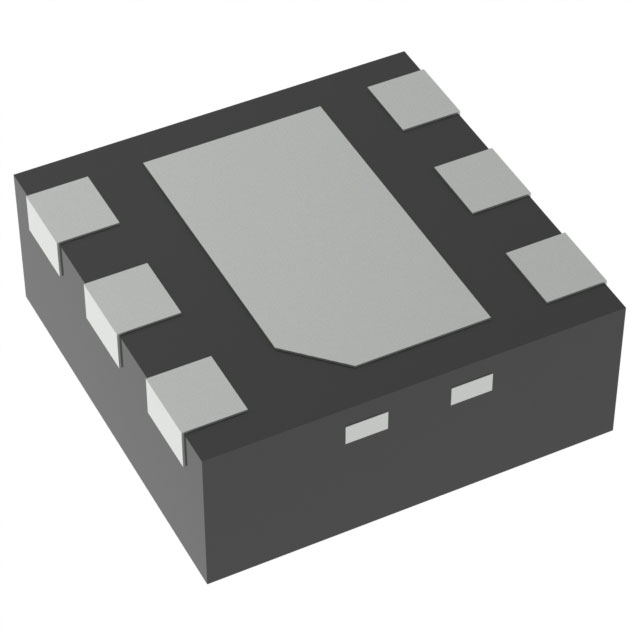 Texas Instruments | 150 mA | 1 | Surface Mount | 15 dB 40 dB | 6-WSON (2x2) | Positive | Enable | 5.5 V | 125 °C | -40 C | Over Current Over Temperature Reverse Polarity | 2.2 V | 1.3 µA | 8 µA | ||
Texas Instruments | 150 mA | 1 | Surface Mount | 15 dB 40 dB | SOT-23-THIN | Positive | Enable | 5.5 V | 125 °C | -40 C | Over Current Over Temperature Reverse Polarity | 1.8 V | 1.3 µA | SOT-23-5 Thin TSOT-23-5 | 8 µA | |
Texas Instruments | 150 mA | 0.25 V | 1 | Surface Mount | 15 dB 40 dB | SOT-23-THIN | Positive | Enable | 5.5 V | 125 °C | -40 C | Over Current Over Temperature Reverse Polarity | 2.3 V | 1.3 µA | SOT-23-5 Thin TSOT-23-5 | 8 µA |
Texas Instruments | 150 mA | 1 | Surface Mount | 15 dB 40 dB | 6-WSON (2x2) | Positive | Enable | 5.5 V | 125 °C | -40 C | Over Current Over Temperature Reverse Polarity | 1.8 V | 1.3 µA | 8 µA | ||
Texas Instruments | 150 mA | 0.25 V | 1 | Surface Mount | 15 dB 40 dB | SOT-23-THIN | Positive | Enable | 5.5 V | 125 °C | -40 C | Over Current Over Temperature Reverse Polarity | 2.5 V | 1.3 µA | SOT-23-5 Thin TSOT-23-5 | 8 µA |
Texas Instruments | 150 mA | 1 | Surface Mount | 15 dB 40 dB | 6-WSON (2x2) | Positive | Enable | 5.5 V | 125 °C | -40 C | Over Current Over Temperature Reverse Polarity | 1.8 V | 1.3 µA | 8 µA | ||
Texas Instruments | 150 mA | 1 | Surface Mount | 15 dB 40 dB | 6-WSON (2x2) | Positive | Enable | 5.5 V | 125 °C | -40 C | Over Current Over Temperature Reverse Polarity | 2.2 V | 1.3 µA | 8 µA |