TCAN1167-Q1 Series
Automotive CAN FD system basis chip with LDO output and watchdog
Manufacturer: Texas Instruments
Catalog
Automotive CAN FD system basis chip with LDO output and watchdog
Key Features
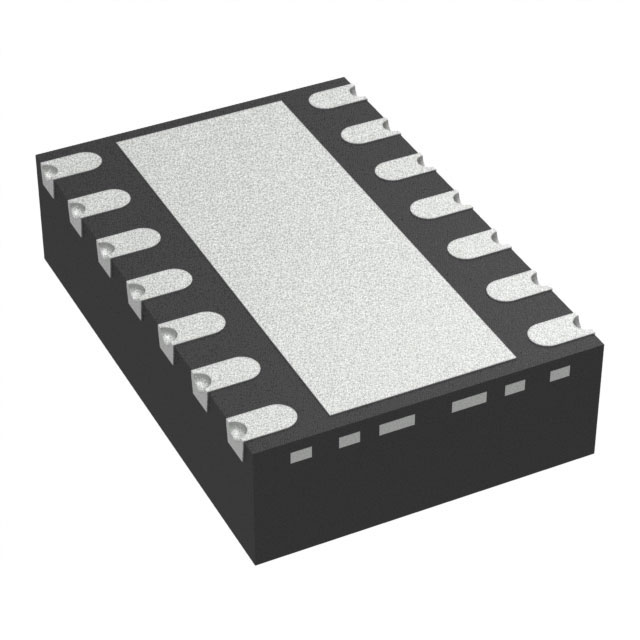
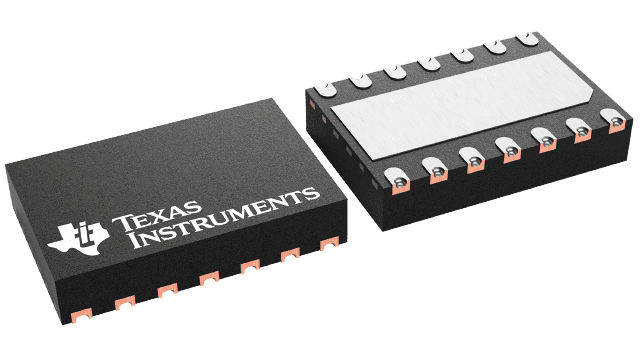
• AEC Q100 (Grade 1) Qualified for automotive applicationsMeets the requirements of ISO 11898-2:2016Functional Safety Quality-ManagedDocumentation available to aid in functional safety system designWide input operational voltage rangeIntegrated LDO for CAN transceiver supply5-V LDO with 100 mA output current capabilityClassic CAN and CAN FD up to 8 MbpsWatchdog timer supporting multiple modesTimeoutWindowQuestion and Answer Watchdog (Q&A)Operating modes programable via SPINormal modeSilent modeStandby modeLow-power sleep modeHigh-voltage INH output for system power controlLocal wake-up support via the WAKE pinAdvanced CAN bus fault detection supportDefined behavior when unpoweredBus and IO terminals are high impedance (no load to operating bus or application)Protection features:±58-V CAN bus fault tolerantLoad dump support on VSUPIEC ESD protectionUnder-voltage and over-voltage protectionThermal shutdown protectionTXD dominant state timeout (TXD DTO)Extra wide junction temperature supportAvailable in the leadless VSON (14) package with wettable flank for improved automated optical inspection (AOI) capabilityAEC Q100 (Grade 1) Qualified for automotive applicationsMeets the requirements of ISO 11898-2:2016Functional Safety Quality-ManagedDocumentation available to aid in functional safety system designWide input operational voltage rangeIntegrated LDO for CAN transceiver supply5-V LDO with 100 mA output current capabilityClassic CAN and CAN FD up to 8 MbpsWatchdog timer supporting multiple modesTimeoutWindowQuestion and Answer Watchdog (Q&A)Operating modes programable via SPINormal modeSilent modeStandby modeLow-power sleep modeHigh-voltage INH output for system power controlLocal wake-up support via the WAKE pinAdvanced CAN bus fault detection supportDefined behavior when unpoweredBus and IO terminals are high impedance (no load to operating bus or application)Protection features:±58-V CAN bus fault tolerantLoad dump support on VSUPIEC ESD protectionUnder-voltage and over-voltage protectionThermal shutdown protectionTXD dominant state timeout (TXD DTO)Extra wide junction temperature supportAvailable in the leadless VSON (14) package with wettable flank for improved automated optical inspection (AOI) capability
Description
AI
The TCAN1167-Q1 is a high-speed Controller Area Network (CAN) system basis chip (SBC) that meets the physical layer requirements of the ISO 11898-2:2016 high-speed CAN specification. The transceiver supports both classical CAN and CAN FD networks up to 8 megabits per second (Mbps).
The TCAN1167-Q1 supports a wide input supply range and integrates a 5-V LDO output. The 5-V LDO output (VCCOUT) supplies the CAN transceiver voltage internally as well as additional current externally.
The TCAN1167-Q1 allows for system-level reductions in battery current consumption by selectively enabling the various power supplies that may be present on a system via the INH output pin. This allows an ultra-low-current sleep state where power is gated to all system components except for the TCAN1167-Q1, while monitoring the CAN bus. When a wake-up event is detected, the TCAN1167-Q1 initiates system start-up by driving INH high.
The TCAN1167-Q1 is a high-speed Controller Area Network (CAN) system basis chip (SBC) that meets the physical layer requirements of the ISO 11898-2:2016 high-speed CAN specification. The transceiver supports both classical CAN and CAN FD networks up to 8 megabits per second (Mbps).
The TCAN1167-Q1 supports a wide input supply range and integrates a 5-V LDO output. The 5-V LDO output (VCCOUT) supplies the CAN transceiver voltage internally as well as additional current externally.
The TCAN1167-Q1 allows for system-level reductions in battery current consumption by selectively enabling the various power supplies that may be present on a system via the INH output pin. This allows an ultra-low-current sleep state where power is gated to all system components except for the TCAN1167-Q1, while monitoring the CAN bus. When a wake-up event is detected, the TCAN1167-Q1 initiates system start-up by driving INH high.