LM5146-Q1 Series
Automotive 100-V synchronous buck DC/DC controller with wide duty-cycle range
Manufacturer: Texas Instruments
Catalog
Automotive 100-V synchronous buck DC/DC controller with wide duty-cycle range
Key Features
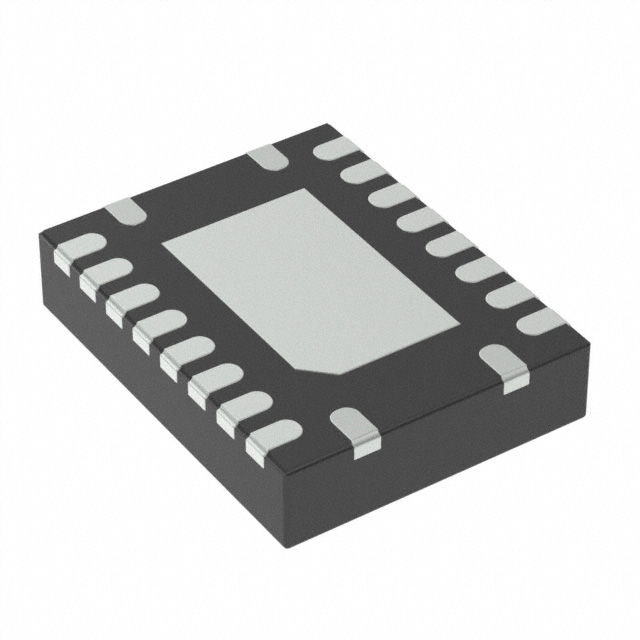
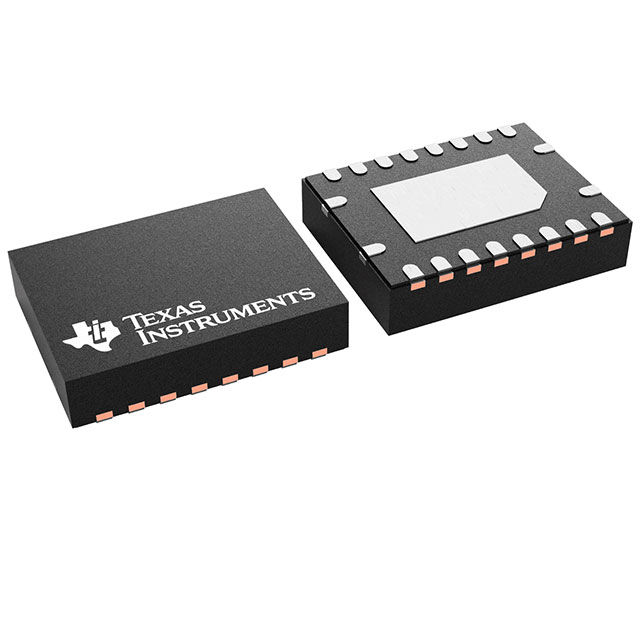
• AEC-Q100 qualified for automotive applications:Device temperature grade 1: –40°C to +125°C ambient temperature rangeFunctional Safety-CapableDocumentation available to aid functional safety system designVersatile synchronous buck DC/DC controllerWide input voltage range of 5.5 V to 100 V150°C maximum junction temperature0.8-V reference with ±1% feedback accuracyAdjustable output voltage from 0.8 V to 60 V40-ns tON(min)for high VIN/ VOUTratio140-ns tOFF(min)for low dropoutLossless RDS(on)or shunt current sensingOptimized for CISPR 25 Class 5 requirementsSwitching frequency from 100 kHz to 1 MHzSYNC In and SYNC Out capabilitySelectable diode emulation or FPWM7.5-V gate drivers for standard VTHMOSFETs14-ns adaptive dead-time control2.3-A source and 3.5-A sink capabilityInherent protection features for robust designAdjustable output voltage soft startHiccup-mode overcurrent protectionInput UVLO with hysteresisVCC and gate-drive UVLO protectionPrecision enable input and open-drain PGOOD indicator for sequencing and controlThermal shutdown protection with hysteresis20-pin VQFN package with wettable flanksCreate a custom design using the LM5146-Q1 withWEBENCH Power DesignerAEC-Q100 qualified for automotive applications:Device temperature grade 1: –40°C to +125°C ambient temperature rangeFunctional Safety-CapableDocumentation available to aid functional safety system designVersatile synchronous buck DC/DC controllerWide input voltage range of 5.5 V to 100 V150°C maximum junction temperature0.8-V reference with ±1% feedback accuracyAdjustable output voltage from 0.8 V to 60 V40-ns tON(min)for high VIN/ VOUTratio140-ns tOFF(min)for low dropoutLossless RDS(on)or shunt current sensingOptimized for CISPR 25 Class 5 requirementsSwitching frequency from 100 kHz to 1 MHzSYNC In and SYNC Out capabilitySelectable diode emulation or FPWM7.5-V gate drivers for standard VTHMOSFETs14-ns adaptive dead-time control2.3-A source and 3.5-A sink capabilityInherent protection features for robust designAdjustable output voltage soft startHiccup-mode overcurrent protectionInput UVLO with hysteresisVCC and gate-drive UVLO protectionPrecision enable input and open-drain PGOOD indicator for sequencing and controlThermal shutdown protection with hysteresis20-pin VQFN package with wettable flanksCreate a custom design using the LM5146-Q1 withWEBENCH Power Designer
Description
AI
The LM5146-Q1 100-V synchronous buck controller regulates from a high input voltage source or from an input rail subject to high voltage transients, minimizing the need for external surge suppression components. A high-side switch minimum on-time of 40 ns gives large step-down ratios, enabling the direct step-down conversion from a 48-V nominal input to low-voltage rails for reduced system complexity and solution cost. The LM5146-Q1 continues to operate during input voltage dips as low as 5.5 V, at nearly 100% duty cycle if needed, making it an excellent choice for high-performance 48-V battery automotive applications, ADAS (surround view ECU) and HEV/EV systems.
Forced-PWM (FPWM) operation eliminates switching frequency variation to minimize EMI, while user-selectable diode emulation lowers current consumption at light-load conditions. The adjustable switching frequency as high as 1 MHz can be synchronized to an external clock source to eliminate beat frequencies in noise-sensitive applications
The LM5146-Q1 100-V synchronous buck controller regulates from a high input voltage source or from an input rail subject to high voltage transients, minimizing the need for external surge suppression components. A high-side switch minimum on-time of 40 ns gives large step-down ratios, enabling the direct step-down conversion from a 48-V nominal input to low-voltage rails for reduced system complexity and solution cost. The LM5146-Q1 continues to operate during input voltage dips as low as 5.5 V, at nearly 100% duty cycle if needed, making it an excellent choice for high-performance 48-V battery automotive applications, ADAS (surround view ECU) and HEV/EV systems.
Forced-PWM (FPWM) operation eliminates switching frequency variation to minimize EMI, while user-selectable diode emulation lowers current consumption at light-load conditions. The adjustable switching frequency as high as 1 MHz can be synchronized to an external clock source to eliminate beat frequencies in noise-sensitive applications