Zenode.ai Logo
Beta
TPS61130

TPS61130 Series

Adjustable, 90% Efficient SEPIC Converter with 200-mA LDO for 1-Cell LiIon or Dual-Cell Applications

Manufacturer: Texas Instruments

Catalog

Adjustable, 90% Efficient SEPIC Converter with 200-mA LDO for 1-Cell LiIon or Dual-Cell Applications

Key Features

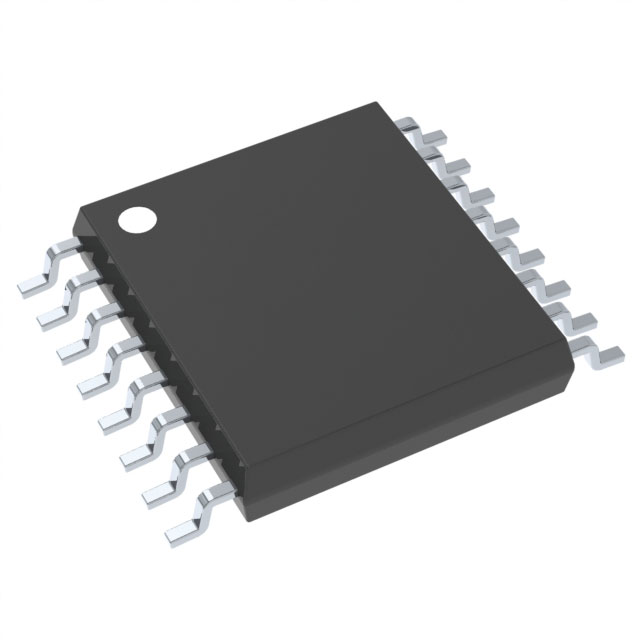
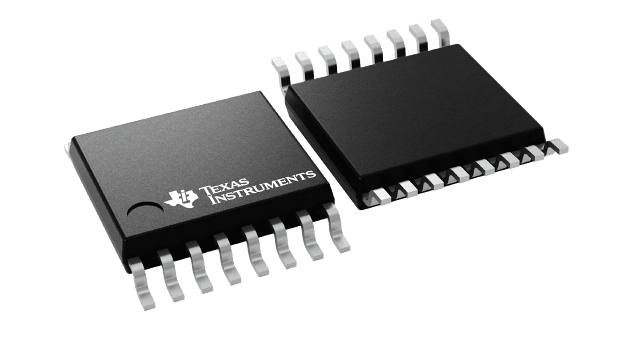
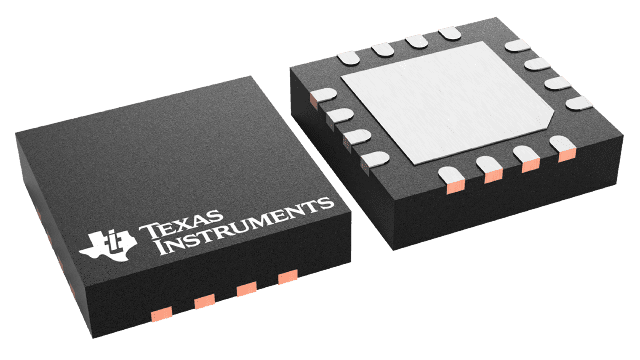
Synchronous, Up to 90% Efficient, SEPICConverter With 300-mA Output Current From2.5-V InputIntegrated 200-mA Reverse Voltage ProtectedLDO for DC-DC Output Voltage Post Regulationor Second Output Voltage40-µA (Typical) Quiescent CurrentInput Voltage Range: 1.8 V to 5.5 VFixed and Adjustable Output Voltage Options upto 5.5 VPower Save Mode for Improved Efficiency at Low-Output PowerLow Battery ComparatorPower Good OutputLow EMI-Converter (Integrated Antiringing Switch)Load Disconnect During ShutdownOvertemperature ProtectionAvailable in a Small 4-mm × 4-mm VQFN-16 or ina TSSOP-16 PackageAPPLICATIONSAll Single Cell Li, Dual or Triple Cell Battery orUSB Powered Products as MP-3 Player, PDAs,and Other Portable EquipmentDual Input or Dual Output ModeHigh Efficient Li-Ion to 3.3-V ConversionAll other trademarks are the property of their respective ownersSynchronous, Up to 90% Efficient, SEPICConverter With 300-mA Output Current From2.5-V InputIntegrated 200-mA Reverse Voltage ProtectedLDO for DC-DC Output Voltage Post Regulationor Second Output Voltage40-µA (Typical) Quiescent CurrentInput Voltage Range: 1.8 V to 5.5 VFixed and Adjustable Output Voltage Options upto 5.5 VPower Save Mode for Improved Efficiency at Low-Output PowerLow Battery ComparatorPower Good OutputLow EMI-Converter (Integrated Antiringing Switch)Load Disconnect During ShutdownOvertemperature ProtectionAvailable in a Small 4-mm × 4-mm VQFN-16 or ina TSSOP-16 PackageAPPLICATIONSAll Single Cell Li, Dual or Triple Cell Battery orUSB Powered Products as MP-3 Player, PDAs,and Other Portable EquipmentDual Input or Dual Output ModeHigh Efficient Li-Ion to 3.3-V ConversionAll other trademarks are the property of their respective owners

Description

AI
The TPS6113x devices provide a complete power supply solution for products powered by either a one-cell Li-Ion or Li-Polymer, or two- to four-cell Alkaline, NiCd, or NiMH batteries. The devices can generate two regulated output voltages. It provides a simple and efficient buck-boost solution for generating 3.3 V out of an input voltage that can be both higher and lower than the output voltage. The converter provides a maximum output current of at least 300 mA with supply voltages down to 1.8 V. The implemented SEPIC converter is based on a fixed frequency, pulse-width-modulation (PWM) controller using a synchronous rectifier to obtain maximum efficiency. The maximum peak current in the SEPIC switch is limited to a value of 1600 mA. The converter can be disabled to minimize battery drain. During shutdown, the load is completely disconnected from the battery. A low-EMI mode is implemented to reduce ringing, and in effect, lower radiated electromagnetic energy when the converter enters the discontinuous conduction mode. A power good output at the SEPIC stage provides additional control of any connected circuits like cascaded power supply stages, or microprocessors. The built-in LDO can be used for a second output voltage derived either from the SEPIC output or directly from the battery. The output voltage of this LDO can be programmed by an external resistor divider or is fixed internally on the chip. The LDO can be enabled separately, that is, using the power good of the SEPIC stage. The device is packaged in a 16-pin VQFN package measuring 4 mm × 4 mm (RSA) or in a 16-pin TSSOP (PW) package. The TPS6113x devices provide a complete power supply solution for products powered by either a one-cell Li-Ion or Li-Polymer, or two- to four-cell Alkaline, NiCd, or NiMH batteries. The devices can generate two regulated output voltages. It provides a simple and efficient buck-boost solution for generating 3.3 V out of an input voltage that can be both higher and lower than the output voltage. The converter provides a maximum output current of at least 300 mA with supply voltages down to 1.8 V. The implemented SEPIC converter is based on a fixed frequency, pulse-width-modulation (PWM) controller using a synchronous rectifier to obtain maximum efficiency. The maximum peak current in the SEPIC switch is limited to a value of 1600 mA. The converter can be disabled to minimize battery drain. During shutdown, the load is completely disconnected from the battery. A low-EMI mode is implemented to reduce ringing, and in effect, lower radiated electromagnetic energy when the converter enters the discontinuous conduction mode. A power good output at the SEPIC stage provides additional control of any connected circuits like cascaded power supply stages, or microprocessors. The built-in LDO can be used for a second output voltage derived either from the SEPIC output or directly from the battery. The output voltage of this LDO can be programmed by an external resistor divider or is fixed internally on the chip. The LDO can be enabled separately, that is, using the power good of the SEPIC stage. The device is packaged in a 16-pin VQFN package measuring 4 mm × 4 mm (RSA) or in a 16-pin TSSOP (PW) package.