Catalog
Octal Registered Transceiver With 3-State Outputs
Key Features
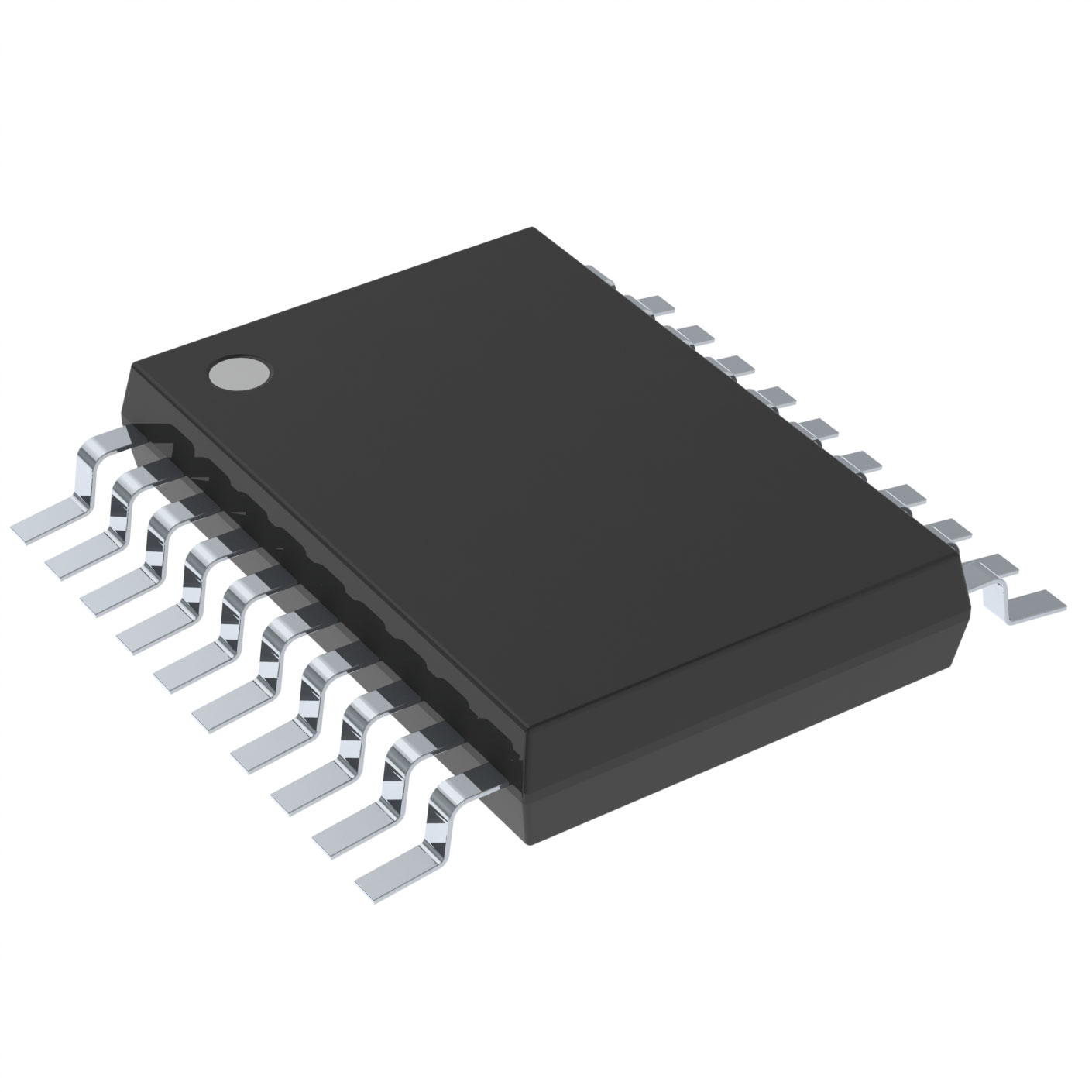
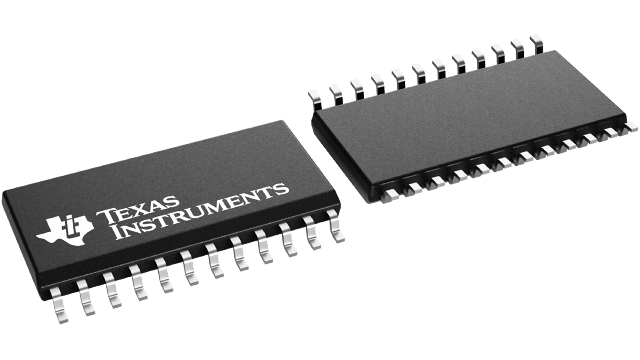
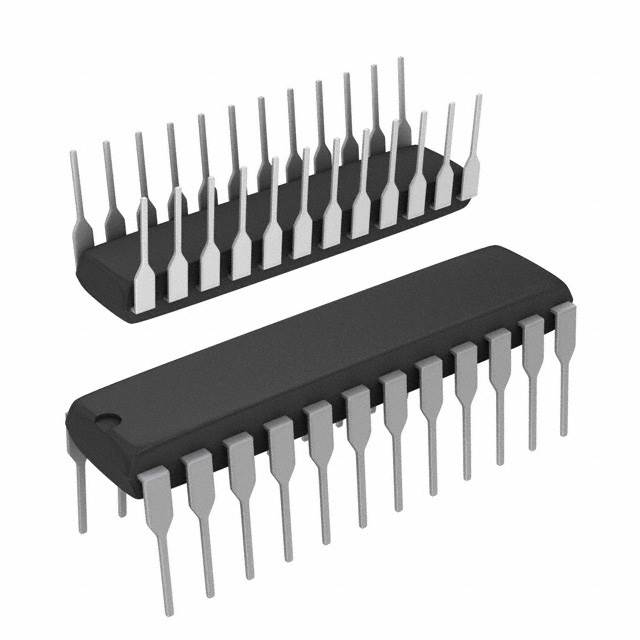
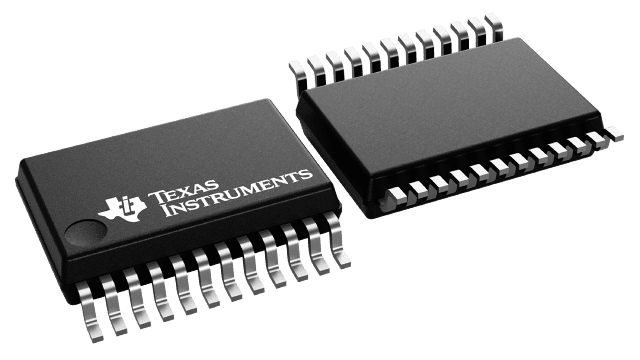
• 3-State True OutputsBack-to-Back Registers for StoragePackage Options Include Plastic Small-Outline and Shrink Small-Outline Packages and Standard Plastic 300-mil DIPs3-State True OutputsBack-to-Back Registers for StoragePackage Options Include Plastic Small-Outline and Shrink Small-Outline Packages and Standard Plastic 300-mil DIPs
Description
AI
The SN74F543 octal transceiver contains two sets of D-type latches for temporary storage of data flowing in either direction. Separate latch-enable (or) and output enable (or) inputs are provided for each register to permit independent control in either direction of data flow. The A outputs are characterized to sink 24 mA while the B outputs are characterized to sink 64 mA.
The A-to-B enable () input must be low in order to enter data from A or to output data from B. Havinglow andlow makes the A-to-B latches transparent; a subsequent low-to-high transition ofputs the A latches in the storage mode. Withandboth low, the 3-state B outputs are active and reflect the data present at the output of the A latches. Data flow from B to A is similar, but requires using the,, andinputs.
The SN74F543 is available in TI's shrink small-outline package (DB), which provides the same I/O pin count and functionality of standard small-outline packages in less than half the printed-circuit-board area.
The SN74F543 is characterized for operation from 0°C to 70°C.
A-to-B data flow is shown; B-to-A flow control is the same except that it uses,, and.
Output level before the indicated steady-state input conditions were established.
The SN74F543 octal transceiver contains two sets of D-type latches for temporary storage of data flowing in either direction. Separate latch-enable (or) and output enable (or) inputs are provided for each register to permit independent control in either direction of data flow. The A outputs are characterized to sink 24 mA while the B outputs are characterized to sink 64 mA.
The A-to-B enable () input must be low in order to enter data from A or to output data from B. Havinglow andlow makes the A-to-B latches transparent; a subsequent low-to-high transition ofputs the A latches in the storage mode. Withandboth low, the 3-state B outputs are active and reflect the data present at the output of the A latches. Data flow from B to A is similar, but requires using the,, andinputs.
The SN74F543 is available in TI's shrink small-outline package (DB), which provides the same I/O pin count and functionality of standard small-outline packages in less than half the printed-circuit-board area.
The SN74F543 is characterized for operation from 0°C to 70°C.
A-to-B data flow is shown; B-to-A flow control is the same except that it uses,, and.
Output level before the indicated steady-state input conditions were established.