TCAN1043HG-Q1 Series
Automotive 70-V bus-fault-protected CAN FD transceiver with wake input and 5-Mbps flexible data-rate
Manufacturer: Texas Instruments
Catalog
Automotive 70-V bus-fault-protected CAN FD transceiver with wake input and 5-Mbps flexible data-rate
Key Features
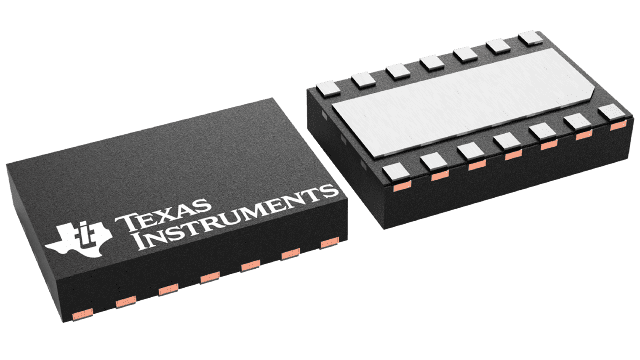
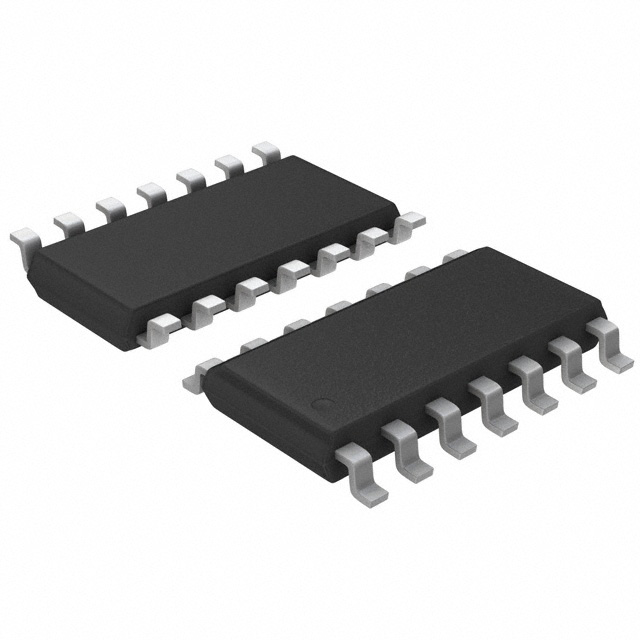
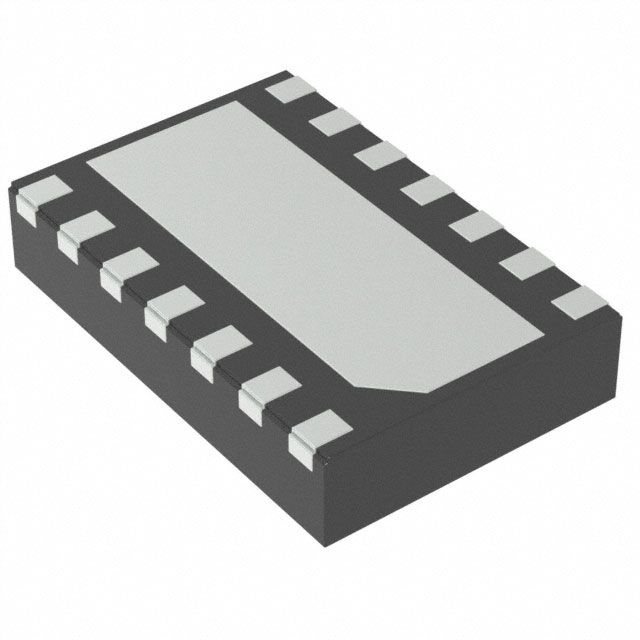
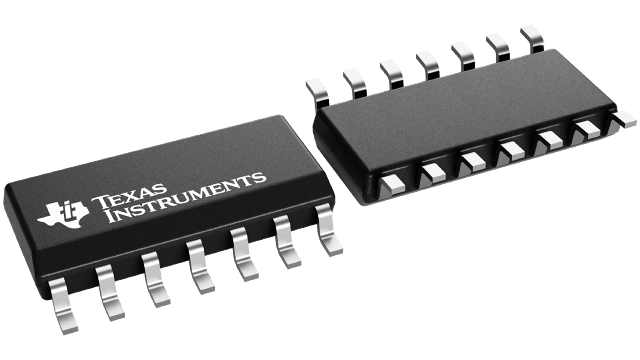
• AEC Q100: Qualified for automotive applicationsTemperature grade 1: TA = –55°C to 125°CDevice HBM classification level: ±16kVDevice CDM classification level: ±1500VFunctional Safety-CapableDocumentation available to aid functional safety system designMeets the requirements of the ISO 11898-2 (2016)All devices support classic CAN and 2Mbps CAN FD (flexible data rate) and "G" options support 5MbpsShort and symmetrical propagation delays and fast loop times for enhanced timing marginHigher data rates in loaded CAN networksVIO Level shifting supports 2.8V to 5.5VOperating modesNormal modeStandby Mode with INH output and local and remote wake up requestLow power sleep mode with INH output and local and remote wake up requestPassive behavior when unpoweredBus and logic terminals are high impedance (no load to operating bus or application)Hot plug capable: power up and down glitch free operation on bus and RXD outputMeets or exceeds EMC standard requirementsIEC 62228-3 – 2007 compliantSAE J2962-2 compliantProtection featuresIEC ESD protection of bus terminals: ±8kVBus fault protection: ±58V (non-H variants) and ±70V (H variants)Undervoltage protection on supply terminalsDriver dominant time Out (TXD DTO): data rates down to 9.2kbpsThermal shutdown protection (TSD)Receiver common mode input voltage: ±30VTypical loop delay: 110nsJunction temperatures from –55°C to 150°CAvailable in SOIC (14) package and leadless VSON (14) package (4.5mm x 3mm) with improved automated optical inspection (AOI) capabilityAEC Q100: Qualified for automotive applicationsTemperature grade 1: TA = –55°C to 125°CDevice HBM classification level: ±16kVDevice CDM classification level: ±1500VFunctional Safety-CapableDocumentation available to aid functional safety system designMeets the requirements of the ISO 11898-2 (2016)All devices support classic CAN and 2Mbps CAN FD (flexible data rate) and "G" options support 5MbpsShort and symmetrical propagation delays and fast loop times for enhanced timing marginHigher data rates in loaded CAN networksVIO Level shifting supports 2.8V to 5.5VOperating modesNormal modeStandby Mode with INH output and local and remote wake up requestLow power sleep mode with INH output and local and remote wake up requestPassive behavior when unpoweredBus and logic terminals are high impedance (no load to operating bus or application)Hot plug capable: power up and down glitch free operation on bus and RXD outputMeets or exceeds EMC standard requirementsIEC 62228-3 – 2007 compliantSAE J2962-2 compliantProtection featuresIEC ESD protection of bus terminals: ±8kVBus fault protection: ±58V (non-H variants) and ±70V (H variants)Undervoltage protection on supply terminalsDriver dominant time Out (TXD DTO): data rates down to 9.2kbpsThermal shutdown protection (TSD)Receiver common mode input voltage: ±30VTypical loop delay: 110nsJunction temperatures from –55°C to 150°CAvailable in SOIC (14) package and leadless VSON (14) package (4.5mm x 3mm) with improved automated optical inspection (AOI) capability
Description
AI
The TCAN1043xx-Q1 meets the physical layer requirements of the ISO 11898–2 (2016) High Speed Controller Area Network (CAN) specification providing an interface between the CAN bus and the CAN protocol controller. These devices support both classical CAN and CAN FD up to 2 megabits per second (Mbps). Devices with part numbers that include the suffix "G" are designed for CAN FD data rates up to 5Mbps. The TCAN1043xx-Q1 allows for system-level reductions in battery current consumption by selectively enabling (via the INH output pin) the various power supplies that can be present on a node. This allows an ultra-low-current sleep state in which power is gated to all system components except for the TCAN1043xx-Q1, which remains in a low-power state monitoring the CAN bus.
When a wake-up pattern is detected on the bus or when a local wake-up is requested via the WAKE input, the TCAN1043xx-Q1 initiates node start-up by driving INH high. The TCAN1043xx-Q1 includes internal logic level translation via the VIO terminal to allow for interfacing directly to 3.3V or 5V controllers. The device includes many protection and diagnostic features including CAN bus line short-circuit detection and battery connection detection. The TCAN1043xx-Q1 meets the ESD and EMC requirements of IEC 62228-3 and J2962-2 without the need for additional protection components.
The TCAN1043xx-Q1 meets the physical layer requirements of the ISO 11898–2 (2016) High Speed Controller Area Network (CAN) specification providing an interface between the CAN bus and the CAN protocol controller. These devices support both classical CAN and CAN FD up to 2 megabits per second (Mbps). Devices with part numbers that include the suffix "G" are designed for CAN FD data rates up to 5Mbps. The TCAN1043xx-Q1 allows for system-level reductions in battery current consumption by selectively enabling (via the INH output pin) the various power supplies that can be present on a node. This allows an ultra-low-current sleep state in which power is gated to all system components except for the TCAN1043xx-Q1, which remains in a low-power state monitoring the CAN bus.
When a wake-up pattern is detected on the bus or when a local wake-up is requested via the WAKE input, the TCAN1043xx-Q1 initiates node start-up by driving INH high. The TCAN1043xx-Q1 includes internal logic level translation via the VIO terminal to allow for interfacing directly to 3.3V or 5V controllers. The device includes many protection and diagnostic features including CAN bus line short-circuit detection and battery connection detection. The TCAN1043xx-Q1 meets the ESD and EMC requirements of IEC 62228-3 and J2962-2 without the need for additional protection components.