TCAN1046AV-Q1 Series
Enhanced automotive dual CAN transceiver with standby and 1.8-V IO support
Manufacturer: Texas Instruments
Catalog
Enhanced automotive dual CAN transceiver with standby and 1.8-V IO support
Key Features
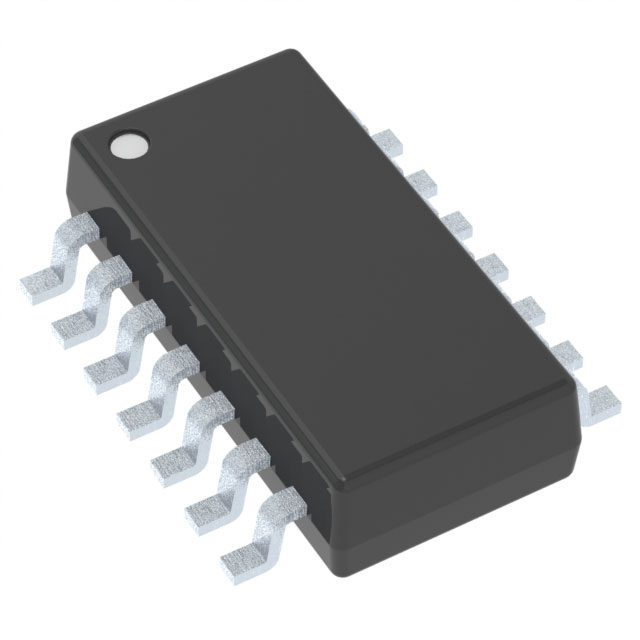
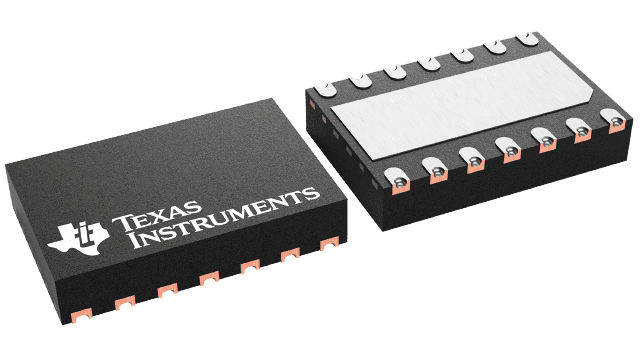
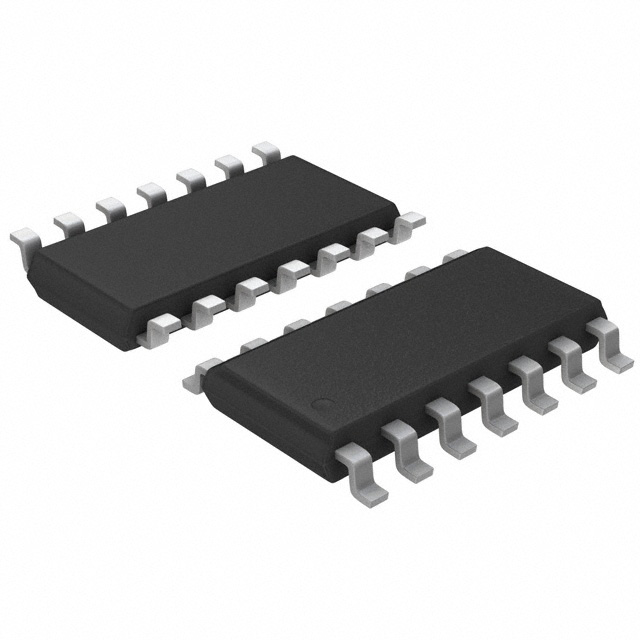
• AEC-Q100 (Grade 1): Qualified for automotive applicationsTwo high-speed CAN transceivers with independent mode controlMeets the requirements of ISO 11898-2:2016 physical layer standardFunctional Safety-CapableDocumentation available to aid in functional safety system designSupport of classical CAN and optimized CAN FD performance at 2, 5, and 8 MbpsShort and symmetrical propagation delays for enhanced timing marginI/O voltage range supports 1.7 V to 5.5 VSupport for 12-V and 24-V battery applicationsReceiver common-mode input voltage: ±12 VProtection features:Bus fault protection: ±58 VUndervoltage protectionTXD-dominant time-out (DTO)Data rates down to 9.2 kbpsThermal-shutdown protection (TSD)Operating modes:Normal modeLow power standby mode supporting remote wake-up requestOptimized behavior when unpoweredBus and logic pins are high impedance (no load to operating bus or application)Hot-plug capable: power-up and power-down glitch-free operation on bus and RXD outputJunction temperatures from: –40°C to 150°CAvailable in space-saving SOT-23, SOIC (14) and leadless VSON (14) packages (4.5 mm x 3.0 mm) with improved automated optical inspection (AOI) capabilityAEC-Q100 (Grade 1): Qualified for automotive applicationsTwo high-speed CAN transceivers with independent mode controlMeets the requirements of ISO 11898-2:2016 physical layer standardFunctional Safety-CapableDocumentation available to aid in functional safety system designSupport of classical CAN and optimized CAN FD performance at 2, 5, and 8 MbpsShort and symmetrical propagation delays for enhanced timing marginI/O voltage range supports 1.7 V to 5.5 VSupport for 12-V and 24-V battery applicationsReceiver common-mode input voltage: ±12 VProtection features:Bus fault protection: ±58 VUndervoltage protectionTXD-dominant time-out (DTO)Data rates down to 9.2 kbpsThermal-shutdown protection (TSD)Operating modes:Normal modeLow power standby mode supporting remote wake-up requestOptimized behavior when unpoweredBus and logic pins are high impedance (no load to operating bus or application)Hot-plug capable: power-up and power-down glitch-free operation on bus and RXD outputJunction temperatures from: –40°C to 150°CAvailable in space-saving SOT-23, SOIC (14) and leadless VSON (14) packages (4.5 mm x 3.0 mm) with improved automated optical inspection (AOI) capability
Description
AI
The TCAN1046AV-Q1 and TCAN1048AV-Q1 ( TCAN104xAV-Q1) are dual, high-speed controller area network (CAN) transceivers that meet the physical layer requirements of the ISO 11898-2:2016 high-speed CAN specification.
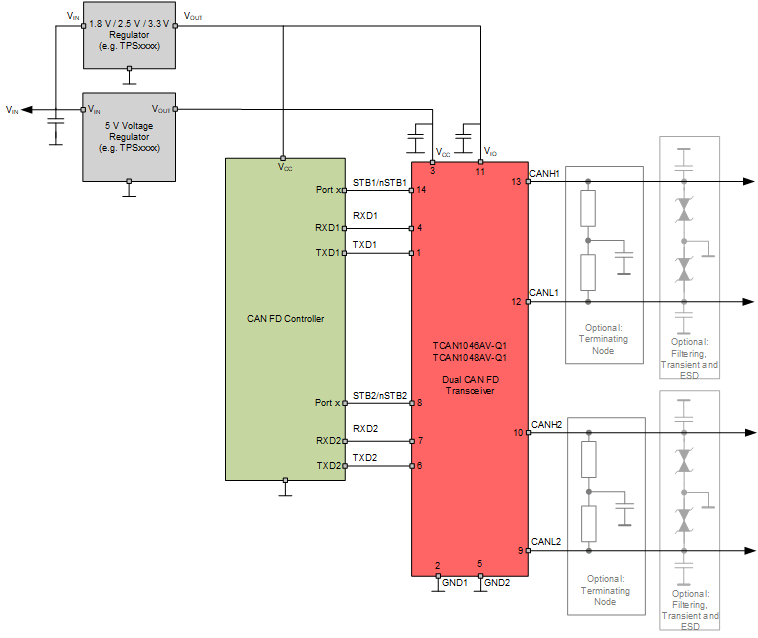
The TCAN104xAV-Q1 transceivers support both classical CAN and CAN FD networks up to 8 megabits per second (Mbps). The device includes internal logic level translation via the VIOterminal to allow for interfacing the transceiver I/O’s directly to 1.8-V, 2.5-V, 3.3-V, or 5-V logic levels.
The two CAN channels support independent mode control through the standby pins. Therefore, each transceiver can be placed into a low-power state, standby mode, without impacting the state of the other CAN channel. While in standby mode, the device supports remote wake-up pattern via the CAN bus which is compliant to the ISO 11898-2:2016 defined wake-up pattern (WUP).
The TCAN1046AV-Q1 and TCAN1048AV-Q1 ( TCAN104xAV-Q1) are dual, high-speed controller area network (CAN) transceivers that meet the physical layer requirements of the ISO 11898-2:2016 high-speed CAN specification.
The TCAN104xAV-Q1 transceivers support both classical CAN and CAN FD networks up to 8 megabits per second (Mbps). The device includes internal logic level translation via the VIOterminal to allow for interfacing the transceiver I/O’s directly to 1.8-V, 2.5-V, 3.3-V, or 5-V logic levels.
The two CAN channels support independent mode control through the standby pins. Therefore, each transceiver can be placed into a low-power state, standby mode, without impacting the state of the other CAN channel. While in standby mode, the device supports remote wake-up pattern via the CAN bus which is compliant to the ISO 11898-2:2016 defined wake-up pattern (WUP).