IWR1642 Series
Single-chip 76-GHz to 81-GHz mmWave sensor integrating DSP and MCU
Manufacturer: Texas Instruments
Catalog
Single-chip 76-GHz to 81-GHz mmWave sensor integrating DSP and MCU
Key Features
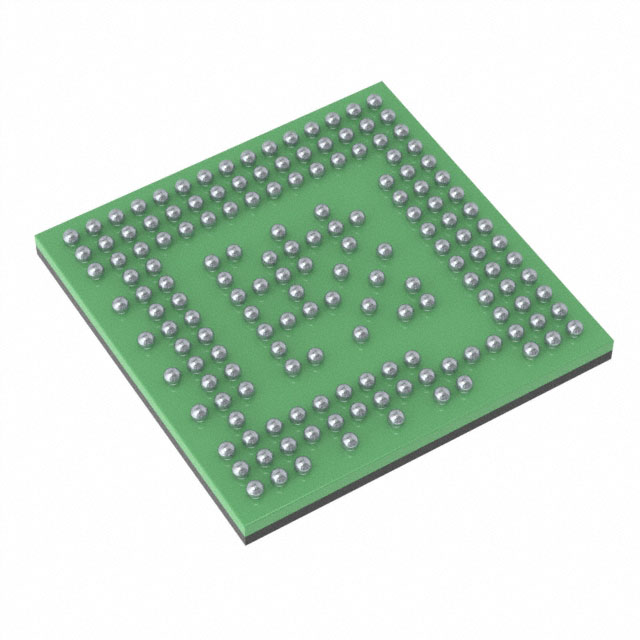
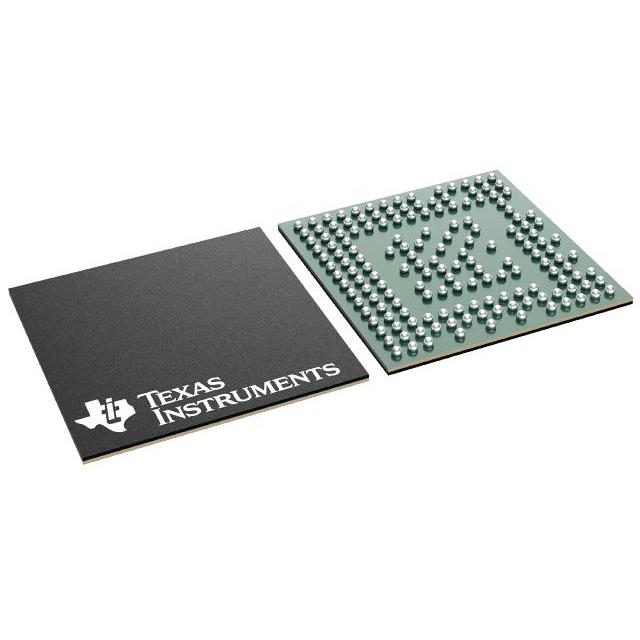
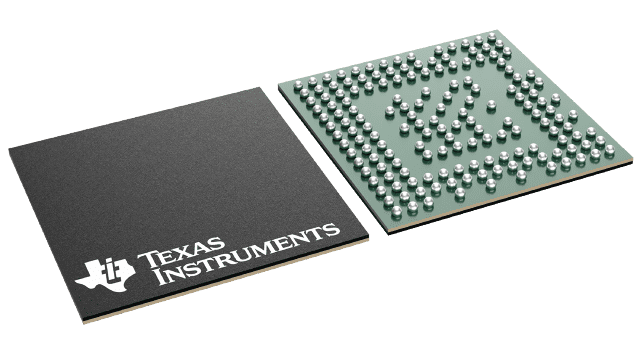
• FMCW TransceiverIntegrated PLL, Transmitter, Receiver, Baseband, and A2D76- to 81-GHz Coverage With 4-GHz Continuous BandwidthFour Receive ChannelsTwo Transmit ChannelsUltra-Accurate Chirp (Timing) Engine Based on Fractional-N PLLTX Power: 12.5 dBmRX Noise Figure:14 dB (76 to 77 GHz)15 dB (77 to 81 GHz)Phase Noise at 1 MHz:–95 dBc/Hz (76 to 77 GHz)–93 dBc/Hz (77 to 81 GHz)Built-in Calibration and Self-Test (Monitoring)ARM®Cortex®-R4F-Based Radio Control SystemBuilt-in Firmware (ROM)Self-calibrating System Across Frequency and TemperatureC674x DSP for FMCW Signal ProcessingOn-Chip Memory: 1.5MBCortex-R4F Microcontroller for Object Tracking, Classification, and Interface ControlSupports Autonomous Mode (Loading User Application from QSPI Flash Memory)Internal Memories With ECCIntegrated PeripheralsUp to 6 ADC ChannelsUp to 2 SPI ChannelsUp to 2 UARTsCAN InterfaceI2CGPIOs2-Lane LVDS Interface for Raw ADC Data and Debug InstrumentationIWR1642 Advanced FeaturesEmbedded Self-monitoring With No Host Processor InvolvementComplex Baseband ArchitectureEmbedded Interference Detection CapabilityPower ManagementBuilt-in LDO Network for Enhanced PSRRI/Os Support Dual Voltage 3.3 V/1.8 VClock SourceSupports External Oscillator at 40 MHzSupports Externally Driven Clock (Square/Sine) at 40 MHzSupports 40 MHz Crystal Connection with Load CapacitorsEasy Hardware Design0.65-mm Pitch, 161-Pin 10.4 mm × 10.4 mm Flip Chip BGA Package for Easy Assembly and Low-Cost PCB DesignSmall Solution SizeOperating ConditionsJunction Temp Range: –40°C to 105°CFMCW TransceiverIntegrated PLL, Transmitter, Receiver, Baseband, and A2D76- to 81-GHz Coverage With 4-GHz Continuous BandwidthFour Receive ChannelsTwo Transmit ChannelsUltra-Accurate Chirp (Timing) Engine Based on Fractional-N PLLTX Power: 12.5 dBmRX Noise Figure:14 dB (76 to 77 GHz)15 dB (77 to 81 GHz)Phase Noise at 1 MHz:–95 dBc/Hz (76 to 77 GHz)–93 dBc/Hz (77 to 81 GHz)Built-in Calibration and Self-Test (Monitoring)ARM®Cortex®-R4F-Based Radio Control SystemBuilt-in Firmware (ROM)Self-calibrating System Across Frequency and TemperatureC674x DSP for FMCW Signal ProcessingOn-Chip Memory: 1.5MBCortex-R4F Microcontroller for Object Tracking, Classification, and Interface ControlSupports Autonomous Mode (Loading User Application from QSPI Flash Memory)Internal Memories With ECCIntegrated PeripheralsUp to 6 ADC ChannelsUp to 2 SPI ChannelsUp to 2 UARTsCAN InterfaceI2CGPIOs2-Lane LVDS Interface for Raw ADC Data and Debug InstrumentationIWR1642 Advanced FeaturesEmbedded Self-monitoring With No Host Processor InvolvementComplex Baseband ArchitectureEmbedded Interference Detection CapabilityPower ManagementBuilt-in LDO Network for Enhanced PSRRI/Os Support Dual Voltage 3.3 V/1.8 VClock SourceSupports External Oscillator at 40 MHzSupports Externally Driven Clock (Square/Sine) at 40 MHzSupports 40 MHz Crystal Connection with Load CapacitorsEasy Hardware Design0.65-mm Pitch, 161-Pin 10.4 mm × 10.4 mm Flip Chip BGA Package for Easy Assembly and Low-Cost PCB DesignSmall Solution SizeOperating ConditionsJunction Temp Range: –40°C to 105°C
Description
AI
The IWR1642 device is an integrated single-chip mmWave sensor based on FMCW radar technology capable of operation in the 76- to 81-GHz band with up to 4 GHz continuous chirp. The device is built with TI’s low-power 45-nm RFCMOS process, and this solution enables unprecedented levels of integration in an extremely small form factor. The IWR1642 is an ideal solution for low-power, self-monitored, ultra-accurate radar systems in industrial applications such as building automation, factory automation, drones, material handling, traffic monitoring, and surveillance.
The IWR1642 device is a self-contained, single-chip solution that simplifies the implementation of mmWave sensors in the band of 76 to 81 GHz. IWR1642 includes a monolithic implementation of a 2TX, 4RX system with built-in PLL and A2D converters. The IWR1642 also integrates a DSP subsystem, which contains TI’s high-performance C674x DSP for the radar signal processing. The device includes an ARM R4F-based processor subsystem, which is responsible for front-end configuration, control, and calibration. Simple programming model changes can enable a wide variety of sensor implementation with the possibility of dynamic reconfiguration for implementing a multimode sensor. Additionally, the device is provided as a complete platform solution including reference hardware design, software drivers, sample configurations, API guide, training, and user documentation.
The IWR1642 device is an integrated single-chip mmWave sensor based on FMCW radar technology capable of operation in the 76- to 81-GHz band with up to 4 GHz continuous chirp. The device is built with TI’s low-power 45-nm RFCMOS process, and this solution enables unprecedented levels of integration in an extremely small form factor. The IWR1642 is an ideal solution for low-power, self-monitored, ultra-accurate radar systems in industrial applications such as building automation, factory automation, drones, material handling, traffic monitoring, and surveillance.
The IWR1642 device is a self-contained, single-chip solution that simplifies the implementation of mmWave sensors in the band of 76 to 81 GHz. IWR1642 includes a monolithic implementation of a 2TX, 4RX system with built-in PLL and A2D converters. The IWR1642 also integrates a DSP subsystem, which contains TI’s high-performance C674x DSP for the radar signal processing. The device includes an ARM R4F-based processor subsystem, which is responsible for front-end configuration, control, and calibration. Simple programming model changes can enable a wide variety of sensor implementation with the possibility of dynamic reconfiguration for implementing a multimode sensor. Additionally, the device is provided as a complete platform solution including reference hardware design, software drivers, sample configurations, API guide, training, and user documentation.