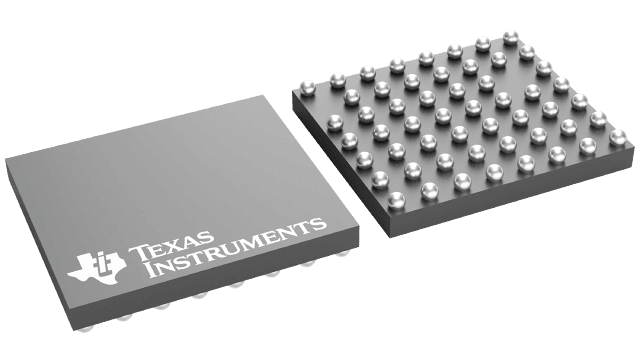
CC2560B Series
Bluetooth® 4.1 with Basic Rate (BR), Enhanced Data Rate (EDR), Low Energy (LE)
Manufacturer: Texas Instruments
Catalog
Bluetooth® 4.1 with Basic Rate (BR), Enhanced Data Rate (EDR), Low Energy (LE)
Key Features
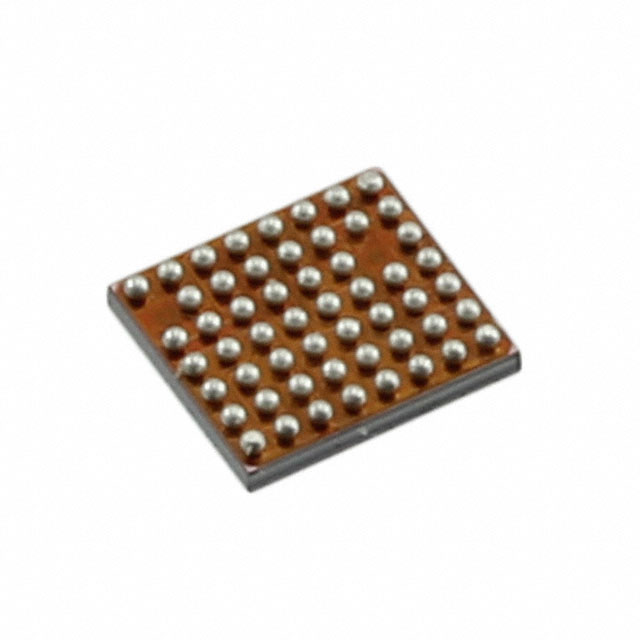
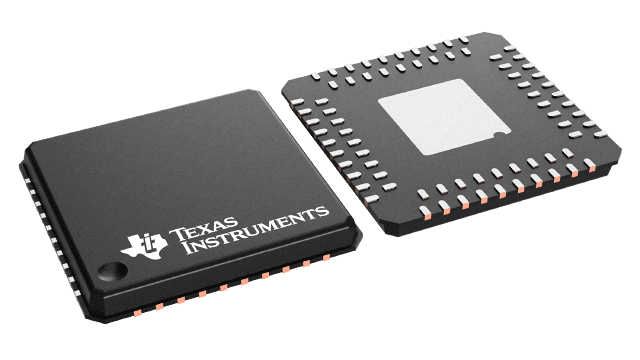
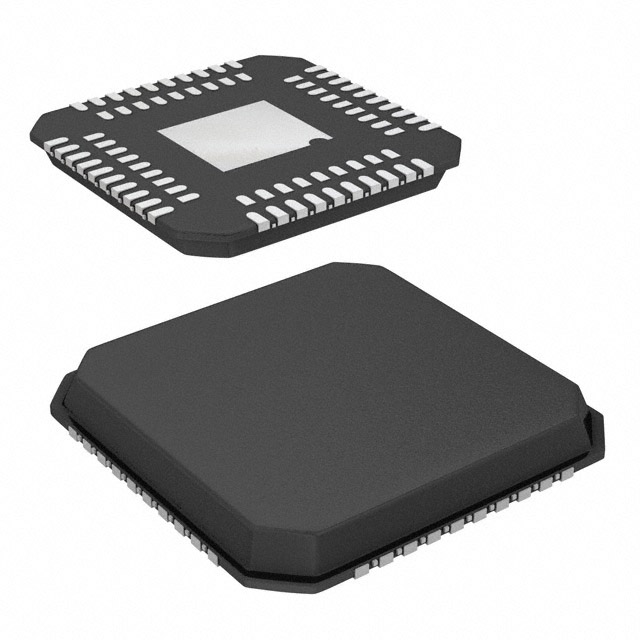
• TI’s Single-ChipBluetoothSolution WithBluetoothBasic Rate (BR), Enhanced Data Rate (EDR), andLow Energy (LE) Support; Available in TwoVariants:Dual-ModeBluetoothCC2564 ControllerBluetoothCC2560 ControllerCC2564Bluetooth4.1 Controller SubsystemQualified (QDID 58852); Compliant up to the HCILayerHighly Optimized for Low-Cost Designs:Single-Ended 50-Ω RF InterfacePackage Footprint: 76 Terminals, 0.6-mm Pitch,8-mm x 8-mm mrQFNBR/EDR Features Include:Up to 7 Active DevicesScatternet: Up to 3 Piconets Simultaneously, 1as Master and 2 as SlavesUp to 2 SCO Links on the Same PiconetSupport for All Voice Air-Coding – ContinuouslyVariable Slope Delta (CVSD), A-Law, µ-Law,and Transparent (Uncoded)CC2560B/CC2564B Devices Provide anAssisted Mode for HFP 1.6 Wideband Speech(WBS) Profile or A2DP Profile to Reduce HostProcessing and PowerSupport of MultipleBluetoothProfiles WithEnhanced QoSLE Features Include:Support of Up to 10 (CC2564B) ConnectionsMultiple Sniff Instances Tightly Coupled toAchieve Minimum Power ConsumptionIndependent Buffering for LE Allows LargeNumbers of Multiple Connections WithoutAffecting BR/EDR Performance.Built-In Coexistence and Prioritization Handlingfor BR/EDR and LEBest-in-ClassBluetooth(RF) Performance(TX Power, RX Sensitivity, Blocking)Class 1 TX Power Up to +10 dBm–95 dbm Typical RX SensitivityInternal Temperature Detection andCompensation to Ensure Minimal Variation inRF Performance Over Temperature, NoExternal Calibration RequiredImproved Adaptive Frequency Hopping (AFH)Algorithm With Minimum Adaptation TimeProvides Longer Range, Including 2x RangeOver Other LE-Only SolutionsAdvanced Power Management for ExtendedBattery Life and Ease of DesignOn-Chip Power Management, Including DirectConnection to BatteryLow Power Consumption for Active, Standby,and ScanBluetoothModesShutdown and Sleep Modes to Minimize PowerConsumptionPhysical Interfaces:UART Interface With Support for MaximumBluetoothData RatesUART Transport Layer (H4) With MaximumRate of 4 MbpsThree-Wire UART Transport Layer (H5) WithMaximum Rate of 4 Mbps (CC2560B andCC2564B Only)Fully Programmable Digital PCM-I2S CodecInterfaceFlexibility for Easy Stack Integration and ValidationInto Various Microcontrollers, Such as MSP430™and ARM® Cortex®-M3 and Cortex®-M4 MCUsCC256xBluetoothHardware Evaluation Tool: PC-Based Application to Evaluate RF Performance ofthe Device and Configure Service PackDevice Pin-to-Pin Compatible With PreviousDevices or ModulesTI’s Single-ChipBluetoothSolution WithBluetoothBasic Rate (BR), Enhanced Data Rate (EDR), andLow Energy (LE) Support; Available in TwoVariants:Dual-ModeBluetoothCC2564 ControllerBluetoothCC2560 ControllerCC2564Bluetooth4.1 Controller SubsystemQualified (QDID 58852); Compliant up to the HCILayerHighly Optimized for Low-Cost Designs:Single-Ended 50-Ω RF InterfacePackage Footprint: 76 Terminals, 0.6-mm Pitch,8-mm x 8-mm mrQFNBR/EDR Features Include:Up to 7 Active DevicesScatternet: Up to 3 Piconets Simultaneously, 1as Master and 2 as SlavesUp to 2 SCO Links on the Same PiconetSupport for All Voice Air-Coding – ContinuouslyVariable Slope Delta (CVSD), A-Law, µ-Law,and Transparent (Uncoded)CC2560B/CC2564B Devices Provide anAssisted Mode for HFP 1.6 Wideband Speech(WBS) Profile or A2DP Profile to Reduce HostProcessing and PowerSupport of MultipleBluetoothProfiles WithEnhanced QoSLE Features Include:Support of Up to 10 (CC2564B) ConnectionsMultiple Sniff Instances Tightly Coupled toAchieve Minimum Power ConsumptionIndependent Buffering for LE Allows LargeNumbers of Multiple Connections WithoutAffecting BR/EDR Performance.Built-In Coexistence and Prioritization Handlingfor BR/EDR and LEBest-in-ClassBluetooth(RF) Performance(TX Power, RX Sensitivity, Blocking)Class 1 TX Power Up to +10 dBm–95 dbm Typical RX SensitivityInternal Temperature Detection andCompensation to Ensure Minimal Variation inRF Performance Over Temperature, NoExternal Calibration RequiredImproved Adaptive Frequency Hopping (AFH)Algorithm With Minimum Adaptation TimeProvides Longer Range, Including 2x RangeOver Other LE-Only SolutionsAdvanced Power Management for ExtendedBattery Life and Ease of DesignOn-Chip Power Management, Including DirectConnection to BatteryLow Power Consumption for Active, Standby,and ScanBluetoothModesShutdown and Sleep Modes to Minimize PowerConsumptionPhysical Interfaces:UART Interface With Support for MaximumBluetoothData RatesUART Transport Layer (H4) With MaximumRate of 4 MbpsThree-Wire UART Transport Layer (H5) WithMaximum Rate of 4 Mbps (CC2560B andCC2564B Only)Fully Programmable Digital PCM-I2S CodecInterfaceFlexibility for Easy Stack Integration and ValidationInto Various Microcontrollers, Such as MSP430™and ARM® Cortex®-M3 and Cortex®-M4 MCUsCC256xBluetoothHardware Evaluation Tool: PC-Based Application to Evaluate RF Performance ofthe Device and Configure Service PackDevice Pin-to-Pin Compatible With PreviousDevices or Modules
Description
AI
The TI CC256x device is a completeBluetoothBR/EDR/LE HCI solution that reduces design effort and enables fast time to market. Based on TI’s seventh-generationBluetoothcore, the CC256x device provides a product-proven solution that isBluetooth4.1 compliant. When coupled with a microcontroller unit (MCU), this HCI device offers best-in-class RF performance with a range of about 2X compared to otherBluetoothLE-only solutions. Furthermore, TI’s power-management hardware and software algorithms provide significant power savings in all commonly usedBluetoothBR/EDR/LE modes of operation.
The TI Dual-ModeBluetoothStack software is certified and provided royalty free for TI’s MSP430 and ARM Cortex-M3 and Cortex-M4 MCUs. Other MPUs can be supported through TI’s third party. iPod® (MFi) protocol is supported by add-on software packages. For more information, see TI Dual-Mode Bluetooth Stack. Some of the profiles supported include the following:
In addition to software, this solution consists of multiple reference designs with a low BOM cost, including a newBluetoothaudio sink reference design for customers to create a variety of applications for low-end, low-power audio solutions.
The TI CC256x device is a completeBluetoothBR/EDR/LE HCI solution that reduces design effort and enables fast time to market. Based on TI’s seventh-generationBluetoothcore, the CC256x device provides a product-proven solution that isBluetooth4.1 compliant. When coupled with a microcontroller unit (MCU), this HCI device offers best-in-class RF performance with a range of about 2X compared to otherBluetoothLE-only solutions. Furthermore, TI’s power-management hardware and software algorithms provide significant power savings in all commonly usedBluetoothBR/EDR/LE modes of operation.
The TI Dual-ModeBluetoothStack software is certified and provided royalty free for TI’s MSP430 and ARM Cortex-M3 and Cortex-M4 MCUs. Other MPUs can be supported through TI’s third party. iPod® (MFi) protocol is supported by add-on software packages. For more information, see TI Dual-Mode Bluetooth Stack. Some of the profiles supported include the following:
In addition to software, this solution consists of multiple reference designs with a low BOM cost, including a newBluetoothaudio sink reference design for customers to create a variety of applications for low-end, low-power audio solutions.