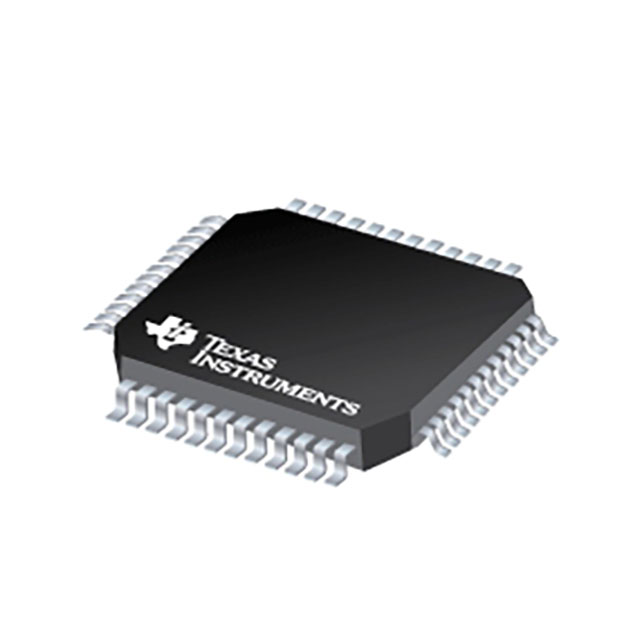
TPS92664-Q1 Series
16-channel low noise LED matrix manager with internal clock and EEPROM
Manufacturer: Texas Instruments
Catalog
16-channel low noise LED matrix manager with internal clock and EEPROM
Key Features
• AEC-Q100 qualified for automotive applicationsGrade 1: –40°C to 125°C ambient temperatureDevice HBM classification level H1CDevice CDM classification level C5Functional Safety-CompliantDeveloped for functional safety applicationsDocumentation available to aid ISO 26262 system design up to ASIL B16 integrated bypass switchesProgrammable 10-bit PWM dimmingProgrammable slew rate controlLED open detection and protectionSingle LED short detectionUART serial communicationInternal oscillator for system clockLVDS clock driver for synchronizing devicesPrevious LMM generation compatibleCAN transceiver compatibleIntegrated ADCLED voltage for each switchLED current monitorDie temperature2x general ADC inputs (thermistor compatible)Internal EEPROM (MTP)Failsafe default settingsCustomer calibration dataAEC-Q100 qualified for automotive applicationsGrade 1: –40°C to 125°C ambient temperatureDevice HBM classification level H1CDevice CDM classification level C5Functional Safety-CompliantDeveloped for functional safety applicationsDocumentation available to aid ISO 26262 system design up to ASIL B16 integrated bypass switchesProgrammable 10-bit PWM dimmingProgrammable slew rate controlLED open detection and protectionSingle LED short detectionUART serial communicationInternal oscillator for system clockLVDS clock driver for synchronizing devicesPrevious LMM generation compatibleCAN transceiver compatibleIntegrated ADCLED voltage for each switchLED current monitorDie temperature2x general ADC inputs (thermistor compatible)Internal EEPROM (MTP)Failsafe default settingsCustomer calibration data
Description
AI
The TPS92664 LED matrix manager device enables fully dynamic adaptive lighting solutions by providing individual pixel-level LED control. The device includes four sub-strings of four series connected integrated switches for bypassing individual LEDs. The individual sub-strings allow the device to accept either single or multiple current sources.
The TPS92664 features an internal oscillator. The internal oscillator can be shared to other system devices through the internal low noise LVDS transmitter and receiver blocks. The multi-drop, universal, asynchronous, receiver transmitter (UART) serial interface is compatible with TPS92665, TPS92667, TPS92662x and TPS92663x devices. The internal EEPROM can store system defaults as well as calibration and lighting module data. An on-board ADC with multiplexed inputs samples all LED channels as well as IC die temperature and an LED current sense. The ADC also samples dedicated ADC inputs for use with system temperature compensation, LED binning and coding.
The TPS92664 incorporates registers for programming phase shift and pulse width of each individual LED in the string and for reporting LED open, short faults and functional parameters.
The TPS92664 LED matrix manager device enables fully dynamic adaptive lighting solutions by providing individual pixel-level LED control. The device includes four sub-strings of four series connected integrated switches for bypassing individual LEDs. The individual sub-strings allow the device to accept either single or multiple current sources.
The TPS92664 features an internal oscillator. The internal oscillator can be shared to other system devices through the internal low noise LVDS transmitter and receiver blocks. The multi-drop, universal, asynchronous, receiver transmitter (UART) serial interface is compatible with TPS92665, TPS92667, TPS92662x and TPS92663x devices. The internal EEPROM can store system defaults as well as calibration and lighting module data. An on-board ADC with multiplexed inputs samples all LED channels as well as IC die temperature and an LED current sense. The ADC also samples dedicated ADC inputs for use with system temperature compensation, LED binning and coding.
The TPS92664 incorporates registers for programming phase shift and pulse width of each individual LED in the string and for reporting LED open, short faults and functional parameters.