NS16C2752 Series
Dual UART with 64-byte FIFO and up to 5 Mbit/s Data Rate
Manufacturer: Texas Instruments
Catalog
Dual UART with 64-byte FIFO and up to 5 Mbit/s Data Rate
Key Features
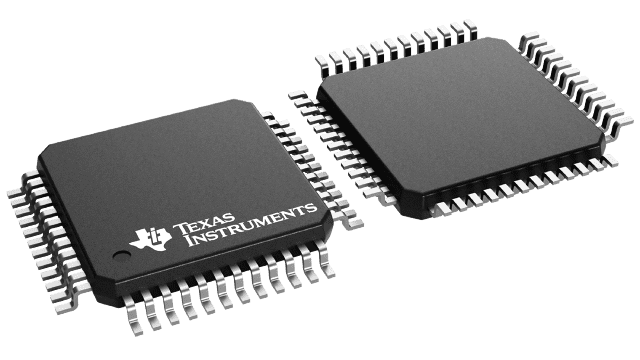
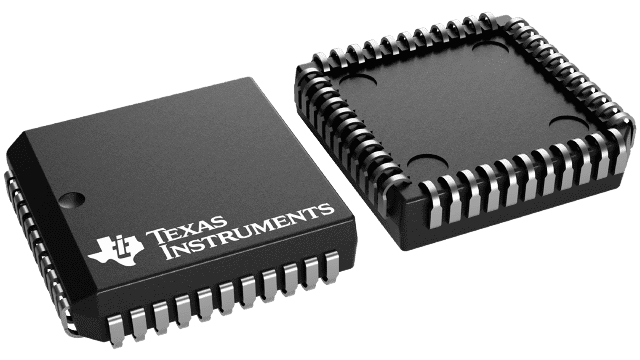
• Dual Independent UARTUp to 5 Mbits/s Data Transfer Rate2.97 V to 5.50 V Operational Vcc5 V Tolerant I/Os in the Entire Supply Voltage RangeIndustrial Temperature: -40°C to 85°CDefault Registers are Identical to the PC16552DNS16C2552/NS16C2752 is Pin-to-Pin Compatible to TI PC16552D, EXAR ST16C2552, XR16C2552, XR 16L2552, and Phillips SC16C2552BNS16C2752 is Compatible to EXAR XR16L2752, and Register Compatible to Phillips SC16C752Auto Hardware Flow Control (Auto-CTS, Auto-RTS)Auto Software Flow Control (Xon, Xoff, and Xon-any)Fully Programmable Character Length (5, 6, 7, or 8) with Even, Odd, or No Parity, Stop BitAdds or Deletes Standard Asynchronous Communication Bits (Start, Stop, and Parity) to or from the Serial DataIndependently Controlled and Prioritized Transmit and Receive InterruptsComplete Line Status Reporting CapabilitiesLine Break Generation and DetectionInternal Diagnostic CapabilitiesLoopback Controls for Communications Link Fault IsolationBreak, Parity, Overrun, Framing Error DetectionProgrammable Baud Generators Divide any Input Clock by 1 to (216- 1) and Generate the 16 X clockIrDA v1.0 Wireless Infrared Encoder/DecoderDMA Operation (TXRDY/RXRDY)Concurrent Write to DUART Internal Register Channels 1 and 2Multi-Function Output Allows More Package Functions with Fewer I/O Pins44-PLCC or 48-TQFP PackageAll trademarks are the property of their respective owners.Dual Independent UARTUp to 5 Mbits/s Data Transfer Rate2.97 V to 5.50 V Operational Vcc5 V Tolerant I/Os in the Entire Supply Voltage RangeIndustrial Temperature: -40°C to 85°CDefault Registers are Identical to the PC16552DNS16C2552/NS16C2752 is Pin-to-Pin Compatible to TI PC16552D, EXAR ST16C2552, XR16C2552, XR 16L2552, and Phillips SC16C2552BNS16C2752 is Compatible to EXAR XR16L2752, and Register Compatible to Phillips SC16C752Auto Hardware Flow Control (Auto-CTS, Auto-RTS)Auto Software Flow Control (Xon, Xoff, and Xon-any)Fully Programmable Character Length (5, 6, 7, or 8) with Even, Odd, or No Parity, Stop BitAdds or Deletes Standard Asynchronous Communication Bits (Start, Stop, and Parity) to or from the Serial DataIndependently Controlled and Prioritized Transmit and Receive InterruptsComplete Line Status Reporting CapabilitiesLine Break Generation and DetectionInternal Diagnostic CapabilitiesLoopback Controls for Communications Link Fault IsolationBreak, Parity, Overrun, Framing Error DetectionProgrammable Baud Generators Divide any Input Clock by 1 to (216- 1) and Generate the 16 X clockIrDA v1.0 Wireless Infrared Encoder/DecoderDMA Operation (TXRDY/RXRDY)Concurrent Write to DUART Internal Register Channels 1 and 2Multi-Function Output Allows More Package Functions with Fewer I/O Pins44-PLCC or 48-TQFP PackageAll trademarks are the property of their respective owners.
Description
AI
The NS16C2552 and NS16C2752 are dual channel Universal Asynchronous Receiver/Transmitter (DUART). The footprint and the functions are compatible to the PC16552D, while new features are added to the UART device. These features include low voltage support, 5V tolerant inputs, enhanced features, enhanced register set, and higher data rate.
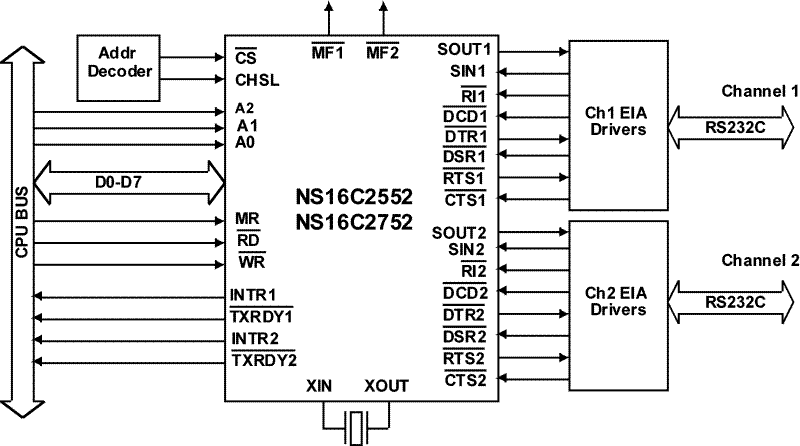
The two serial channels are completely independent of each other, except for a common CPU interface and crystal input. On power-up both channels are functionally identical to the PC16552D. Each channel can operate with on-chip transmitter and receiver FIFO’s (in FIFO mode).
In the FIFO mode each channel is capable of buffering 16 bytes (for NS16C2552) or 64 bytes (for NS16C2752) of data in both the transmitter and receiver. The receiver FIFO also has additional 3 bits of error data per location. All FIFO control logic is on-chip to minimize system software overhead and maximize system efficiency.
To improve the CPU processing bandwidth, the data transfers between the DUART and the CPU can be done using DMA controller. Signaling for DMA transfers is done through two pins per channel (TXRDYandRXRDY). TheRXRDYfunction is multiplexed on one pin with theOUT2and BAUDOUT functions. The configuration is through Alternate Function Register.
The fundamental function of the UART is converting between parallel and serial data. Serial-to-parallel conversion is done on the UART receiver and parallel-to-serial conversion is done on the transmitter. The CPU can read the complete status of each channel at any time. Status information reported includes the type and condition of the transfer operations being performed by the DUART, as well as any error conditions (parity, overrun, framing, or break interrupt).
The NS16C2552 and NS16C2752 include one programmable baud rate generator for each channel. Each baud rate generator is capable of dividing the clock input by divisors of 1 to (216- 1), and producing a 16X clock for driving the internal transmitter logic and for receiver sampling circuitry. The NS16C2552 and NS16C2752 have complete MODEM-control capability, and a processor-interrupt system. The interrupts can be programmed by the user to minimize the processing required to handle the communications link.
The NS16C2552 and NS16C2752 are dual channel Universal Asynchronous Receiver/Transmitter (DUART). The footprint and the functions are compatible to the PC16552D, while new features are added to the UART device. These features include low voltage support, 5V tolerant inputs, enhanced features, enhanced register set, and higher data rate.
The two serial channels are completely independent of each other, except for a common CPU interface and crystal input. On power-up both channels are functionally identical to the PC16552D. Each channel can operate with on-chip transmitter and receiver FIFO’s (in FIFO mode).
In the FIFO mode each channel is capable of buffering 16 bytes (for NS16C2552) or 64 bytes (for NS16C2752) of data in both the transmitter and receiver. The receiver FIFO also has additional 3 bits of error data per location. All FIFO control logic is on-chip to minimize system software overhead and maximize system efficiency.
To improve the CPU processing bandwidth, the data transfers between the DUART and the CPU can be done using DMA controller. Signaling for DMA transfers is done through two pins per channel (TXRDYandRXRDY). TheRXRDYfunction is multiplexed on one pin with theOUT2and BAUDOUT functions. The configuration is through Alternate Function Register.
The fundamental function of the UART is converting between parallel and serial data. Serial-to-parallel conversion is done on the UART receiver and parallel-to-serial conversion is done on the transmitter. The CPU can read the complete status of each channel at any time. Status information reported includes the type and condition of the transfer operations being performed by the DUART, as well as any error conditions (parity, overrun, framing, or break interrupt).
The NS16C2552 and NS16C2752 include one programmable baud rate generator for each channel. Each baud rate generator is capable of dividing the clock input by divisors of 1 to (216- 1), and producing a 16X clock for driving the internal transmitter logic and for receiver sampling circuitry. The NS16C2552 and NS16C2752 have complete MODEM-control capability, and a processor-interrupt system. The interrupts can be programmed by the user to minimize the processing required to handle the communications link.