TPS40090-Q1 Series
Automotive 4.5V to 15V Multiphase Synchronous Buck Controller
Manufacturer: Texas Instruments
Catalog
Automotive 4.5V to 15V Multiphase Synchronous Buck Controller
Key Features
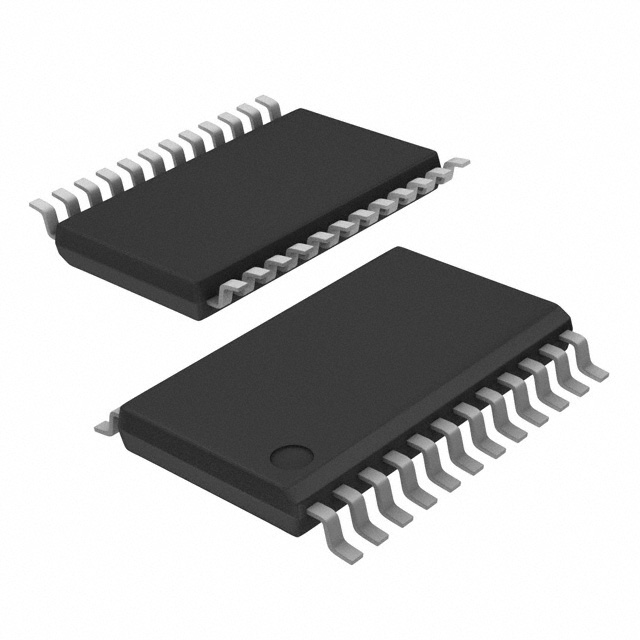
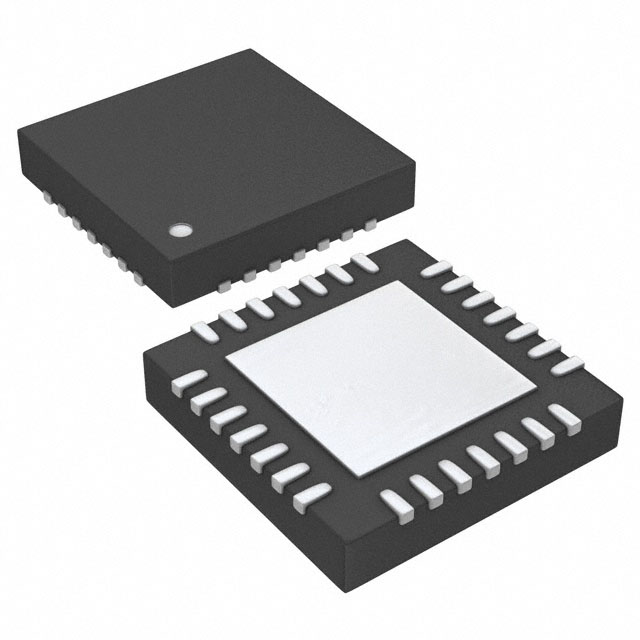
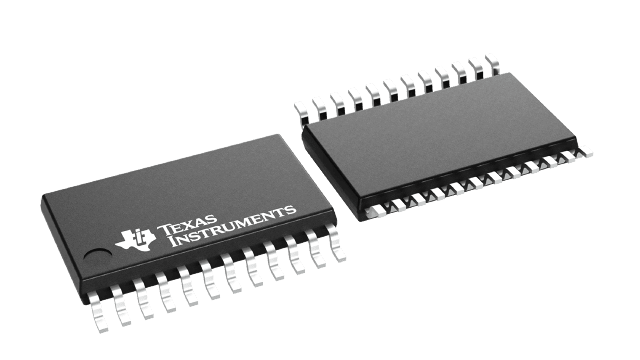
• Two-, Three-, or Four-Phase Operation5-V to 15-V Operating RangeProgrammable Switching Frequency Up to 1-MHz/PhaseCurrent Mode Control With Forced Current Sharing(1)1% Internal 0.7-V ReferenceResistive Divider Set Output VoltageTrue Remote Sensing Differential AmplifierResistive or DCR Current SensingCurrent Sense Fault ProtectionProgrammable Load LineCompatible with UCC37222 Predictive Gate Drive™ Technology Drivers24-Pin Space-Saving TSSOP Package28-Pin QFN PackageTPS40090: Binary OutputsTPS40091: 3-State OutputsAPPLICATIONSInternet ServersNetwork EquipmentTelecommunications EquipmentDC Power Distributed Systems(1)Patent pending.Predictive Gate Drive is a trademark of Texas Instruments.Two-, Three-, or Four-Phase Operation5-V to 15-V Operating RangeProgrammable Switching Frequency Up to 1-MHz/PhaseCurrent Mode Control With Forced Current Sharing(1)1% Internal 0.7-V ReferenceResistive Divider Set Output VoltageTrue Remote Sensing Differential AmplifierResistive or DCR Current SensingCurrent Sense Fault ProtectionProgrammable Load LineCompatible with UCC37222 Predictive Gate Drive™ Technology Drivers24-Pin Space-Saving TSSOP Package28-Pin QFN PackageTPS40090: Binary OutputsTPS40091: 3-State OutputsAPPLICATIONSInternet ServersNetwork EquipmentTelecommunications EquipmentDC Power Distributed Systems(1)Patent pending.Predictive Gate Drive is a trademark of Texas Instruments.
Description
AI
The TPS40090 is a two-, three-, or four-phase programmable synchronous buck controller that is optimized for low-voltage, high-current applications powered by a 5-V to 15-V distributed supply. A multi-phase converter offers several advantages over a single power stage including lower current ripple on the input and output capacitors, faster transient response to load steps, improved power handling capabilities, and higher system efficiency.
Each phase can be operated at a switching frequency up to 1-MHz, resulting in an effective ripple frequency of up to 4-MHz at the input and the output in a four-phase application. A two-phase design operates 180° out of phase, a three-phase design operates 120° out of phase, and a four-phase design operates 90° out of phase, as shown in Figure 1.
The number of phases is programmed by connecting the deactivated phase PWM output to the output of the internal 5-V LDO. In two-phase operation the even phase outputs should be deactivated.
The TPS40090 uses fixed frequency, peak current mode control with forced phase current balancing. When compared to voltage mode control, current mode results in a simplified feedback network and reduced input line sensitivity. Phase current is sensed by using either current sense resistors installed in series with output inductors or, for improved efficiency, by using the DCR (direct current resistance) of the filter inductors. The latter method involves generation of a current proportional signal with an R-C circuit (shown in Figure 11).
The R-C values are selected by matching the time constants of the R-C circuit and the inductor; R-C = L/DCR. With either current sense method, the current signal is amplified and superimposed on the amplified voltage error signal to provide current mode PWM control.
An output voltage droop can be programmed to improve the transient window and reduce size of the output filter. Other features include a single voltage operation, a true differential sense amplifier, a programmable current limit, soft-start, and a power good indicator.
The TPS40090 is a two-, three-, or four-phase programmable synchronous buck controller that is optimized for low-voltage, high-current applications powered by a 5-V to 15-V distributed supply. A multi-phase converter offers several advantages over a single power stage including lower current ripple on the input and output capacitors, faster transient response to load steps, improved power handling capabilities, and higher system efficiency.
Each phase can be operated at a switching frequency up to 1-MHz, resulting in an effective ripple frequency of up to 4-MHz at the input and the output in a four-phase application. A two-phase design operates 180° out of phase, a three-phase design operates 120° out of phase, and a four-phase design operates 90° out of phase, as shown in Figure 1.
The number of phases is programmed by connecting the deactivated phase PWM output to the output of the internal 5-V LDO. In two-phase operation the even phase outputs should be deactivated.
The TPS40090 uses fixed frequency, peak current mode control with forced phase current balancing. When compared to voltage mode control, current mode results in a simplified feedback network and reduced input line sensitivity. Phase current is sensed by using either current sense resistors installed in series with output inductors or, for improved efficiency, by using the DCR (direct current resistance) of the filter inductors. The latter method involves generation of a current proportional signal with an R-C circuit (shown in Figure 11).
The R-C values are selected by matching the time constants of the R-C circuit and the inductor; R-C = L/DCR. With either current sense method, the current signal is amplified and superimposed on the amplified voltage error signal to provide current mode PWM control.
An output voltage droop can be programmed to improve the transient window and reduce size of the output filter. Other features include a single voltage operation, a true differential sense amplifier, a programmable current limit, soft-start, and a power good indicator.