MSP430FR2476 Series
16 MHz MCU with 64KB FRAM, 8KB SRAM, comparator, 12-bit ADC, UART/SPI/I2C, timer
Manufacturer: Texas Instruments
Catalog
16 MHz MCU with 64KB FRAM, 8KB SRAM, comparator, 12-bit ADC, UART/SPI/I2C, timer
Key Features
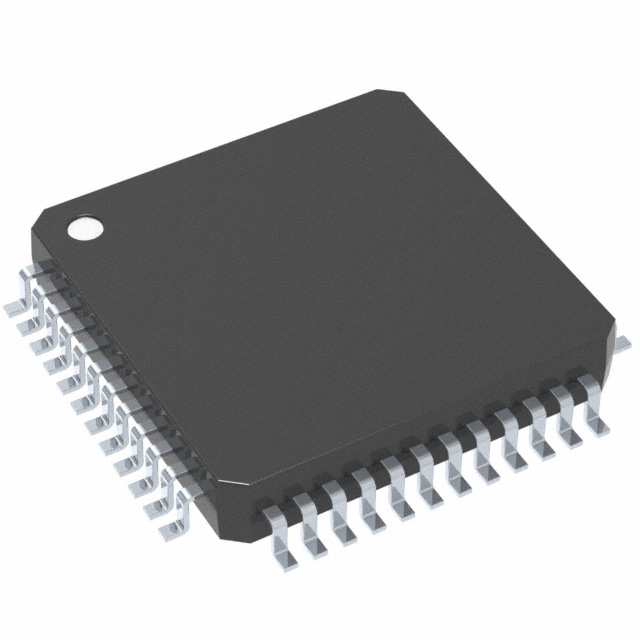
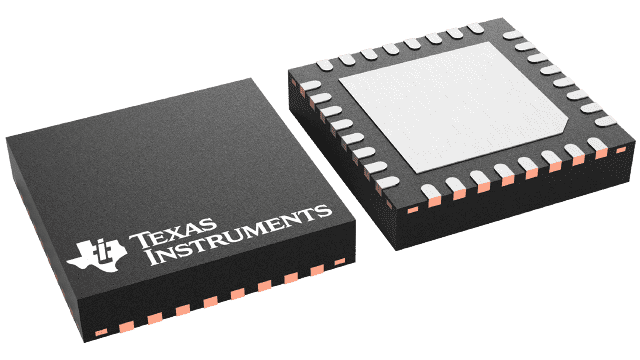
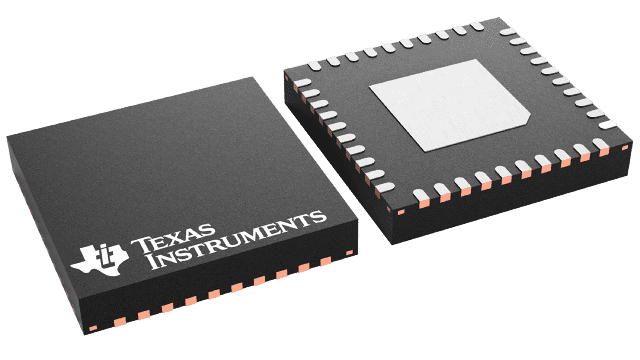
• Embedded microcontroller16-bit RISC architectureClock supports frequencies up to 16 MHzWide supply voltage range from 3.6 V down to 1.8 V (minimum supply voltage is restricted by SVS levels, see the SVS specifications)Optimized ultra-low-power modesActive mode: 135 µA/MHz (typical)Standby: LPM3.5, real-time clock (RTC) counter with 32768-Hz crystal: 660 nA (typical)Shutdown (LPM4.5): 37 nA without SVSLow-power ferroelectric RAM (FRAM)Up to 64KB of nonvolatile memoryBuilt-in error correction code (ECC)Configurable write protectionUnified memory of program, constants, and storage1015write cycle enduranceRadiation resistant and nonmagneticIntelligent digital peripheralsFour 16-bit timers with three capture/compare registers each (Timer_A3)One 16-bit timer with seven capture/compare registers (Timer_B7)One 16-bit counter-only RTC16-bit cyclic redundancy check (CRC)Enhanced serial communications with support for pin remap featureTwo eUSCI_A supports UART, IrDA, and SPITwo eUSCI_B supports SPI and I2CHigh-performance analogOne 12-bit analog-to-digital converter (ADC) with up to 12 channelsInternal shared reference (1.5, 2.0, or 2.5 V)Sample-and-hold 200 kspsOne enhanced comparator (eCOMP)Integrated 6-bit DAC as reference voltageProgrammable hysteresisConfigurable high-power and low-power modesClock system (CS)On-chip 32-kHz RC oscillator (REFO) with 1 µA supportOn-chip 16-MHz digitally controlled oscillator (DCO) with frequency-locked loop (FLL)±1% accuracy with on-chip reference at room temperatureOn-chip very low-frequency 10-kHz oscillator (VLO)On-chip high-frequency modulation oscillator (MODOSC)External 32-kHz crystal oscillator (LFXT)Programmable MCLK prescalar of 1 to 128SMCLK derived from MCLK with programmable prescalar of 1, 2, 4, or 8General input/output and pin functionality43 I/Os on LQFP-48 package43 interrupt pins on all GPIOs can wake MCU from low-power modesDevelopment tools and softwareDevelopment toolsTarget development boardMSP‑TS430PT48ALaunchPad™ development kitLP‑MSP430FR2476Family members (also see Device Comparison)MSP430FR2476: 64KB of program FRAM, 512B of information FRAM, 8KB of RAMMSP430FR2475: 32KB of program FRAM, 512B of information FRAM, 6KB of RAMPackage options48-pin: LQFP (PT)40-pin: VQFN (RHA)32-pin: VQFN (RHB)Embedded microcontroller16-bit RISC architectureClock supports frequencies up to 16 MHzWide supply voltage range from 3.6 V down to 1.8 V (minimum supply voltage is restricted by SVS levels, see the SVS specifications)Optimized ultra-low-power modesActive mode: 135 µA/MHz (typical)Standby: LPM3.5, real-time clock (RTC) counter with 32768-Hz crystal: 660 nA (typical)Shutdown (LPM4.5): 37 nA without SVSLow-power ferroelectric RAM (FRAM)Up to 64KB of nonvolatile memoryBuilt-in error correction code (ECC)Configurable write protectionUnified memory of program, constants, and storage1015write cycle enduranceRadiation resistant and nonmagneticIntelligent digital peripheralsFour 16-bit timers with three capture/compare registers each (Timer_A3)One 16-bit timer with seven capture/compare registers (Timer_B7)One 16-bit counter-only RTC16-bit cyclic redundancy check (CRC)Enhanced serial communications with support for pin remap featureTwo eUSCI_A supports UART, IrDA, and SPITwo eUSCI_B supports SPI and I2CHigh-performance analogOne 12-bit analog-to-digital converter (ADC) with up to 12 channelsInternal shared reference (1.5, 2.0, or 2.5 V)Sample-and-hold 200 kspsOne enhanced comparator (eCOMP)Integrated 6-bit DAC as reference voltageProgrammable hysteresisConfigurable high-power and low-power modesClock system (CS)On-chip 32-kHz RC oscillator (REFO) with 1 µA supportOn-chip 16-MHz digitally controlled oscillator (DCO) with frequency-locked loop (FLL)±1% accuracy with on-chip reference at room temperatureOn-chip very low-frequency 10-kHz oscillator (VLO)On-chip high-frequency modulation oscillator (MODOSC)External 32-kHz crystal oscillator (LFXT)Programmable MCLK prescalar of 1 to 128SMCLK derived from MCLK with programmable prescalar of 1, 2, 4, or 8General input/output and pin functionality43 I/Os on LQFP-48 package43 interrupt pins on all GPIOs can wake MCU from low-power modesDevelopment tools and softwareDevelopment toolsTarget development boardMSP‑TS430PT48ALaunchPad™ development kitLP‑MSP430FR2476Family members (also see Device Comparison)MSP430FR2476: 64KB of program FRAM, 512B of information FRAM, 8KB of RAMMSP430FR2475: 32KB of program FRAM, 512B of information FRAM, 6KB of RAMPackage options48-pin: LQFP (PT)40-pin: VQFN (RHA)32-pin: VQFN (RHB)
Description
AI
MSP430FR247x microcontrollers (MCUs) are part of the MSP430™ MCU value line portfolio of ultra-low-power low-cost devices for sensing and measurement applications. MSP430FR247x MCUs integrate a 12-bit SAR ADC and one comparator. The MSP430FR247x MCUs support an extended temperature range from –40°C up to 105°C, so higher temperature industrial applications can benefit from the devices’ FRAM data-logging capabilities.
MSP430FR247x MCUs are supported by an extensive hardware and software ecosystem with reference designs and code examples to get your design started quickly. Development kits include theMSP-TS430PT48 48-pin target development board. TI also provides freeMSP430Ware™ software, which is available as a component ofCode Composer Studio™ IDEdesktop and cloud versions withinTI Resource Explorer. MSP430 MCUs are also supported by extensive online collateral, such as ourhousekeeping example series,MSP Academy training, and online support through theTI E2E™ support forums.
The MSP430 ultra-low-power (ULP) FRAM microcontroller platform combines uniquely embedded FRAM and a holistic ultra-low-power system architecture, allowing system designers to increase performance while lowering energy consumption. FRAM technology combines the low-energy fast writes, flexibility, and endurance of RAM with the nonvolatile behavior of flash.
The TI MSP430 family of low-power microcontrollers consists of devices with different sets of peripherals targeted for various applications. The architecture, combined with extensive low-power modes, is optimized to achieve extended battery life in portable measurement applications. The MCU features a powerful 16-bit RISC CPU, 16-bit registers, and constant generators that contribute to maximum code efficiency. The digitally controlled oscillator (DCO) allows the MCU to wake up from low-power modes to active mode in less than 10 µs (typical).
For complete module descriptions, see theMSP430FR4xx and MSP430FR2xx Family User’s Guide.
MSP430FR247x microcontrollers (MCUs) are part of the MSP430™ MCU value line portfolio of ultra-low-power low-cost devices for sensing and measurement applications. MSP430FR247x MCUs integrate a 12-bit SAR ADC and one comparator. The MSP430FR247x MCUs support an extended temperature range from –40°C up to 105°C, so higher temperature industrial applications can benefit from the devices’ FRAM data-logging capabilities.
MSP430FR247x MCUs are supported by an extensive hardware and software ecosystem with reference designs and code examples to get your design started quickly. Development kits include theMSP-TS430PT48 48-pin target development board. TI also provides freeMSP430Ware™ software, which is available as a component ofCode Composer Studio™ IDEdesktop and cloud versions withinTI Resource Explorer. MSP430 MCUs are also supported by extensive online collateral, such as ourhousekeeping example series,MSP Academy training, and online support through theTI E2E™ support forums.
The MSP430 ultra-low-power (ULP) FRAM microcontroller platform combines uniquely embedded FRAM and a holistic ultra-low-power system architecture, allowing system designers to increase performance while lowering energy consumption. FRAM technology combines the low-energy fast writes, flexibility, and endurance of RAM with the nonvolatile behavior of flash.
The TI MSP430 family of low-power microcontrollers consists of devices with different sets of peripherals targeted for various applications. The architecture, combined with extensive low-power modes, is optimized to achieve extended battery life in portable measurement applications. The MCU features a powerful 16-bit RISC CPU, 16-bit registers, and constant generators that contribute to maximum code efficiency. The digitally controlled oscillator (DCO) allows the MCU to wake up from low-power modes to active mode in less than 10 µs (typical).
For complete module descriptions, see theMSP430FR4xx and MSP430FR2xx Family User’s Guide.