MSP430G2231-EP Series
Enhanced product 16-bit ultra-low-power mixed signal microcontroller, 2KB Flash, 128B RAM
Manufacturer: Texas Instruments
Catalog
Enhanced product 16-bit ultra-low-power mixed signal microcontroller, 2KB Flash, 128B RAM
Key Features
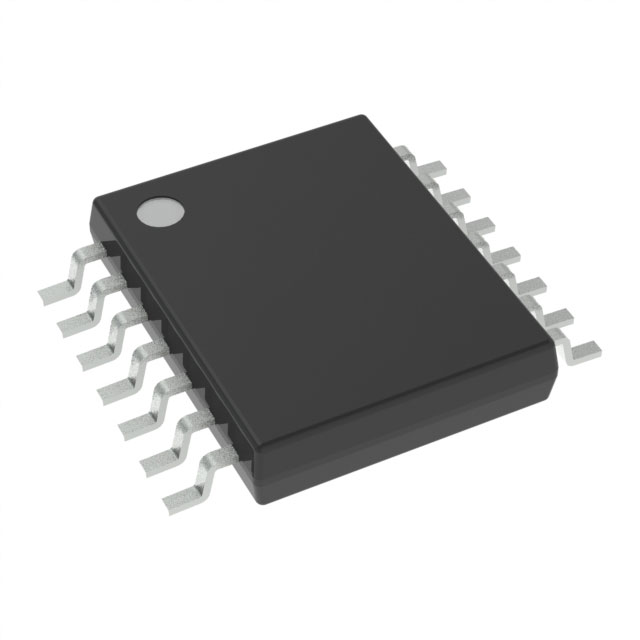
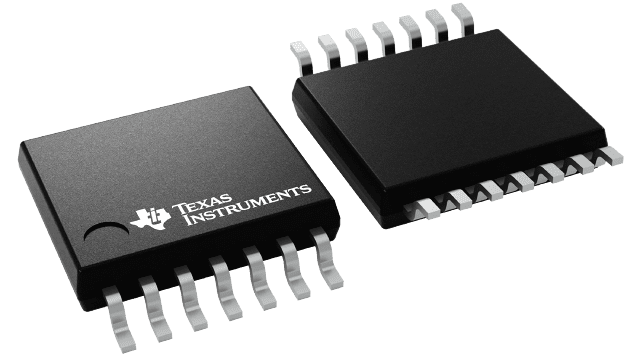
• Low Supply-Voltage Range: 1.8 V to 3.6 VUltra-Low Power ConsumptionActive Mode: 220 µA at 1 MHz, 2.2 VStandby Mode: 0.5 µAOff Mode (RAM Retention): 0.1 µAFive Power-Saving ModesUltra-Fast Wake-Up From Standby Mode in Less Than 1 µs16-Bit RISC Architecture, 62.5-ns Instruction Cycle TimeBasic Clock Module ConfigurationsInternal Frequencies up to 16 MHz With One Calibrated FrequencyInternal Very Low Power Low-Frequency (LF) Oscillator32-kHz Crystal(1)External Digital Clock Source16-Bit Timer_A With Two Capture/Compare RegistersUniversal Serial Interface (USI) Supporting SPI and I2C (See )Brownout Detector10-Bit 200-ksps A/D Converter With Internal Reference, Sample-and-Hold, and AutoscanSerial Onboard Programming, No External Programming Voltage Needed,Programmable Code Protection by Security FuseOn-Chip Emulation Logic With Spy-Bi-Wire InterfaceFor Family Members Details, See Table 1Available in a 14-Pin Plastic Small-Outline Thin Package (TSSOP)(PW)For Complete Module Descriptions, See theMSP430x2xx Family User’s Guide(SLAU144)Low Supply-Voltage Range: 1.8 V to 3.6 VUltra-Low Power ConsumptionActive Mode: 220 µA at 1 MHz, 2.2 VStandby Mode: 0.5 µAOff Mode (RAM Retention): 0.1 µAFive Power-Saving ModesUltra-Fast Wake-Up From Standby Mode in Less Than 1 µs16-Bit RISC Architecture, 62.5-ns Instruction Cycle TimeBasic Clock Module ConfigurationsInternal Frequencies up to 16 MHz With One Calibrated FrequencyInternal Very Low Power Low-Frequency (LF) Oscillator32-kHz Crystal(1)External Digital Clock Source16-Bit Timer_A With Two Capture/Compare RegistersUniversal Serial Interface (USI) Supporting SPI and I2C (See )Brownout Detector10-Bit 200-ksps A/D Converter With Internal Reference, Sample-and-Hold, and AutoscanSerial Onboard Programming, No External Programming Voltage Needed,Programmable Code Protection by Security FuseOn-Chip Emulation Logic With Spy-Bi-Wire InterfaceFor Family Members Details, See Table 1Available in a 14-Pin Plastic Small-Outline Thin Package (TSSOP)(PW)For Complete Module Descriptions, See theMSP430x2xx Family User’s Guide(SLAU144)
Description
AI
The Texas Instruments MSP430 family of ultra-low-power microcontrollers consists of several devices featuring different sets of peripherals targeted for various applications. The architecture, combined with five low-power modes, is optimized to achieve extended battery life in portable measurement applications. The device features a powerful 16-bit RISC CPU, 16-bit registers, and constant generators that contribute to maximum code efficiency. The digitally controlled oscillator (DCO) allows wake-up from low-power modes to active mode in less than 1 µs.
The MSP430G2x21/G2x31 series is an ultra-low-power mixed signal microcontroller with a built-in 16-bit timer and ten I/O pins. The MSP430G2x31 family members have a 10-bit A/D converter and built-in communication capability using synchronous protocols (SPI or I2C).
Typical applications include low-cost sensor systems that capture analog signals, convert them to digital values, and then process the data for display or for transmission to a host system.
The Texas Instruments MSP430 family of ultra-low-power microcontrollers consists of several devices featuring different sets of peripherals targeted for various applications. The architecture, combined with five low-power modes, is optimized to achieve extended battery life in portable measurement applications. The device features a powerful 16-bit RISC CPU, 16-bit registers, and constant generators that contribute to maximum code efficiency. The digitally controlled oscillator (DCO) allows wake-up from low-power modes to active mode in less than 1 µs.
The MSP430G2x21/G2x31 series is an ultra-low-power mixed signal microcontroller with a built-in 16-bit timer and ten I/O pins. The MSP430G2x31 family members have a 10-bit A/D converter and built-in communication capability using synchronous protocols (SPI or I2C).
Typical applications include low-cost sensor systems that capture analog signals, convert them to digital values, and then process the data for display or for transmission to a host system.