LM2734Z-Q1 Series
3 to 20 V input, 1 A, high frequency automotive step-down converter with light load efficiency
Manufacturer: Texas Instruments
Catalog
3 to 20 V input, 1 A, high frequency automotive step-down converter with light load efficiency
Key Features
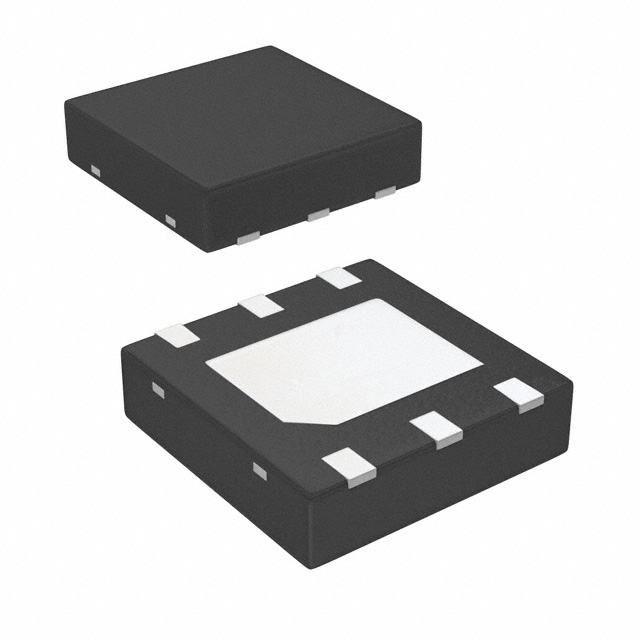
• Qualified for Automotive ApplicationsAEC-Q100 Qualified With the Following Results:Device Temperature Grade 1: –40°C to 125°CAmbient Operating Temperature RangeDevice HBM ESD Classification Level 2Device CDM ESD Classification Level C66-pin SOT Package, or 6-Pin WSON Package3.0-V to 20-V Input Voltage Range0.8-V to 18-V Output Voltage Range1-A Output Current3-MHz Switching Frequency300-mΩ NMOS Switch30-nA Shutdown Current0.8-V, 2% Internal Voltage ReferenceInternal Soft-StartCurrent-Mode, PWM OperationThermal ShutdownQualified for Automotive ApplicationsAEC-Q100 Qualified With the Following Results:Device Temperature Grade 1: –40°C to 125°CAmbient Operating Temperature RangeDevice HBM ESD Classification Level 2Device CDM ESD Classification Level C66-pin SOT Package, or 6-Pin WSON Package3.0-V to 20-V Input Voltage Range0.8-V to 18-V Output Voltage Range1-A Output Current3-MHz Switching Frequency300-mΩ NMOS Switch30-nA Shutdown Current0.8-V, 2% Internal Voltage ReferenceInternal Soft-StartCurrent-Mode, PWM OperationThermal Shutdown
Description
AI
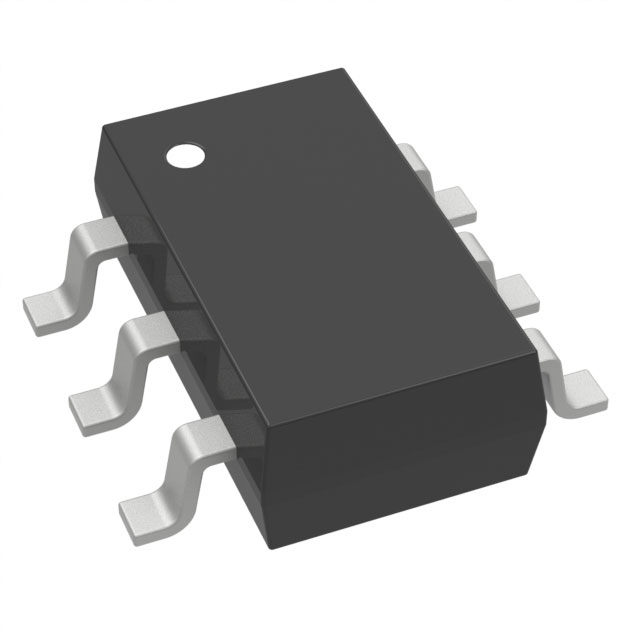
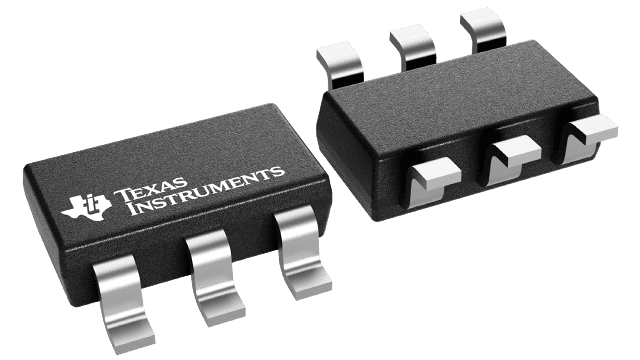
The LM2734-Q1 regulator is a monolithic, high-frequency, PWM step-down DC/DC converter in a 6-pin Thin SOT package. The device provides all the active functions to provide local DC/DC conversion with fast transient response and accurate regulation in the smallest possible PCB area.
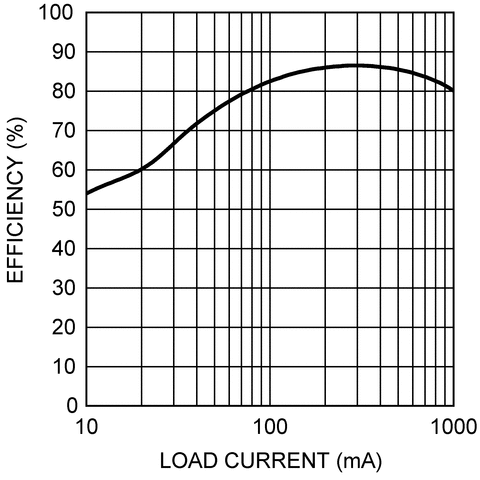
With a minimum of external components and online design support through WEBENCH, the LM2734-Q1 regulator is easy to use. The ability to drive 1-A loads with an internal 300-mΩ NMOS switch using state-of-the-art 0.5-µm BiCMOS technology results in the best power density available. The world-class control circuitry allows for on-times as low as 13 ns, thus supporting exceptionally high-frequency conversion over the entire 3-V to 20-V input operating range down to the minimum output voltage of 0.8 V. Switching frequency is internally set to 550 kHz (LM2734Y) or 1.6 MHz (LM2734X), allowing the use of extremely small surface-mount inductors and chip capacitors. Even though the operating frequencies are very high, efficiencies up to 90% are easy to achieve. External shutdown is included, featuring an ultra-low standby current of 30 nA.
The LM2734-Q1 regulator uses current-mode control and internal compensation to provide high-performance regulation over a wide range of operating conditions. Additional features include internal soft-start circuitry to reduce inrush current, pulse-by-pulse current limit, thermal shutdown, and output overvoltage protection.
The LM2734-Q1 regulator is a monolithic, high-frequency, PWM step-down DC/DC converter in a 6-pin Thin SOT package. The device provides all the active functions to provide local DC/DC conversion with fast transient response and accurate regulation in the smallest possible PCB area.
With a minimum of external components and online design support through WEBENCH, the LM2734-Q1 regulator is easy to use. The ability to drive 1-A loads with an internal 300-mΩ NMOS switch using state-of-the-art 0.5-µm BiCMOS technology results in the best power density available. The world-class control circuitry allows for on-times as low as 13 ns, thus supporting exceptionally high-frequency conversion over the entire 3-V to 20-V input operating range down to the minimum output voltage of 0.8 V. Switching frequency is internally set to 550 kHz (LM2734Y) or 1.6 MHz (LM2734X), allowing the use of extremely small surface-mount inductors and chip capacitors. Even though the operating frequencies are very high, efficiencies up to 90% are easy to achieve. External shutdown is included, featuring an ultra-low standby current of 30 nA.
The LM2734-Q1 regulator uses current-mode control and internal compensation to provide high-performance regulation over a wide range of operating conditions. Additional features include internal soft-start circuitry to reduce inrush current, pulse-by-pulse current limit, thermal shutdown, and output overvoltage protection.