


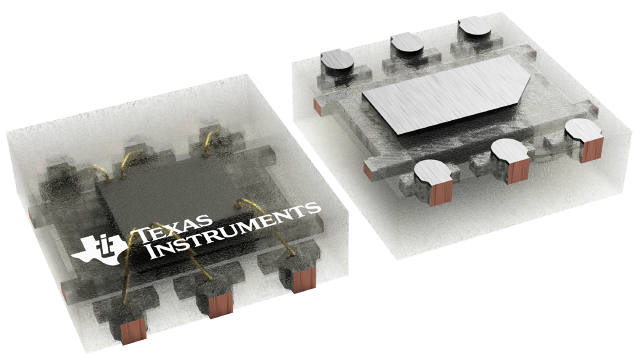
OPT4003-Q1 Series
Automotive high-speed high-precision digital light sensor
Manufacturer: Texas Instruments
Catalog
Automotive high-speed high-precision digital light sensor
Key Features
• AEC-Q100 qualified for automotive applications:Temperature grade 2 (USON and SOT-5X3 variant): –40°C to 105°C, TAHigh-precision, high-speed light-to-digital conversion over high-speed I2C interfaceVisible channel with 28-bits of effective dynamic range:585µlux to 157klux for SOT-5X3 package variant535µlux to 143klux for USON package variantPrecision optical filtering closely matches human eye with excellent near infrared (NIR) rejectionNear IR channel with 26-bits of effective dynamic range:447pW/cm2 to 30mW/cm2 for SOT-5X3 package variant409pW/cm2 to 27.45mW/cm2 for USON package variantPrecision optical filtering provides high NIR sensitivity with excellent visible rejectionSemi-logarithmic output:9 (visible channel) and 7 (NIR channel) binary logarithmic full-scale light rangesHighly linear response within each rangeBuilt-in automatic full-scale light range selection logic that switches measurement range based on input light condition for best possible resolution at all times12 configurable conversion times:600µs to 800ms per channel for high-speed and high-precision applicationsExternal pin interrupt for hardware-synchronized trigger and interruptsError correction code features for improved reliability in automotive use casesInternal FIFO for output registers with I2C burst readoutLow operating current: 30µAUltra-low power standby: 2µAOperating temperature range: –40°C to +105°CWide power-supply range: 1.6V to 3.6V5.5V tolerant I/O pinsSelectable I2C addressSmall-form factor:SOT-5X3: 1.9mm x 2.1mm x 0.6mmUSON: 2mm × 2mm × 0.65mmAEC-Q100 qualified for automotive applications:Temperature grade 2 (USON and SOT-5X3 variant): –40°C to 105°C, TAHigh-precision, high-speed light-to-digital conversion over high-speed I2C interfaceVisible channel with 28-bits of effective dynamic range:585µlux to 157klux for SOT-5X3 package variant535µlux to 143klux for USON package variantPrecision optical filtering closely matches human eye with excellent near infrared (NIR) rejectionNear IR channel with 26-bits of effective dynamic range:447pW/cm2 to 30mW/cm2 for SOT-5X3 package variant409pW/cm2 to 27.45mW/cm2 for USON package variantPrecision optical filtering provides high NIR sensitivity with excellent visible rejectionSemi-logarithmic output:9 (visible channel) and 7 (NIR channel) binary logarithmic full-scale light rangesHighly linear response within each rangeBuilt-in automatic full-scale light range selection logic that switches measurement range based on input light condition for best possible resolution at all times12 configurable conversion times:600µs to 800ms per channel for high-speed and high-precision applicationsExternal pin interrupt for hardware-synchronized trigger and interruptsError correction code features for improved reliability in automotive use casesInternal FIFO for output registers with I2C burst readoutLow operating current: 30µAUltra-low power standby: 2µAOperating temperature range: –40°C to +105°CWide power-supply range: 1.6V to 3.6V5.5V tolerant I/O pinsSelectable I2C addressSmall-form factor:SOT-5X3: 1.9mm x 2.1mm x 0.6mmUSON: 2mm × 2mm × 0.65mm
Description
AI
The OPT4003-Q1 is a dual-channel, light-to-digital sensor (single-chip lux meter and NIR power meter) that independently measures the intensity of visible and near infrared (NIR) light. To measure accurate visible light intensity, a specially engineered filter on the device tightly matches the photopic response of the human eye and rejects the near-infrared component from common light sources. The NIR channel filter is specially engineered to provide high sensitivity to wavelengths in the near infrared region while achieving high rejection of visible wavelengths with a sharp cutoff at 800nm. The output of the OPT4003-Q1 is semi-logarithmic with binary logarithmic full-scale light ranges along with a highly linear response within each range. The visible channel provides nine binary light ranges, providing measurement capability from 535µlux to 143klux for the USON package variant, 585µlux to 157klux for the SOT-5X3 package variant. The NIR channel provides seven light ranges, providing measurement capability from 409pW/cm2 to 27.45mW/cm2 for the USON package variant, 447pW/cm2 to 30 mW/cm2 for the SOT-5X3 package variant. The built-in automatic range selection logic dynamically adjusts the device gain settings based on the light level, providing the best possible resolution in all conditions without user input.
The OPT4003-Q1 is equipped with engineered optical filters on both channels, providing strong out-of-band rejection. Strong infrared rejection on the visible channel aids in maintaining high lux accuracy across all light sources, especially when the sensor is placed under dark glass for aesthetic reasons. The NIR channel robust rejection of visible wavelengths and sharp cutoff below 800nm enables precise near-infrared measurements under mixed lighting conditions, including high levels of visible light.
The OPT4003-Q1 is designed for systems that require light level detection to enhance user experience and typically replaces low-accuracy photodiodes, photoresistors, and other ambient light sensors with underwhelming human eye matching and near-infrared rejection.
The OPT4003-Q1 can be configured to operate with light conversion times from 600µs to 800ms per channel in 12 steps, providing system flexibility based on application need. Conversion time includes the light integration time and analog-to-digital (ADC) conversion time. Measurement resolution is determined by a combination of light intensity and integration time, effectively providing the capability to measure down to 535µlux of light intensity changes for the USON package variant, down to 585µlux for the SOT-5X3 package variant.
Digital operation is flexible for system integration. Measurements can be either continuous or triggered in one shot with register writes or a hardware pin . The device features a threshold detection logic, which allows the processor to sleep while the sensor waits for an appropriate wake-up event to report through the interrupt pin.
The sensor reports a digital output representing the light level over an I2C- and SMBus-compatible, two-wire serial interface. An internal first-in-first-out (FIFO) on the output registers is available to read out measurements from the sensor at a slower pace while still preserving all data captured by the device. The OPT4003-Q1 also supports I2C burst mode, thus helping the host read data from the FIFO with minimal I2C overhead.
The low power consumption and low power-supply voltage capability of the OPT4003-Q1 helps enhance the battery life of battery-powered systems.
The OPT4003-Q1 is a dual-channel, light-to-digital sensor (single-chip lux meter and NIR power meter) that independently measures the intensity of visible and near infrared (NIR) light. To measure accurate visible light intensity, a specially engineered filter on the device tightly matches the photopic response of the human eye and rejects the near-infrared component from common light sources. The NIR channel filter is specially engineered to provide high sensitivity to wavelengths in the near infrared region while achieving high rejection of visible wavelengths with a sharp cutoff at 800nm. The output of the OPT4003-Q1 is semi-logarithmic with binary logarithmic full-scale light ranges along with a highly linear response within each range. The visible channel provides nine binary light ranges, providing measurement capability from 535µlux to 143klux for the USON package variant, 585µlux to 157klux for the SOT-5X3 package variant. The NIR channel provides seven light ranges, providing measurement capability from 409pW/cm2 to 27.45mW/cm2 for the USON package variant, 447pW/cm2 to 30 mW/cm2 for the SOT-5X3 package variant. The built-in automatic range selection logic dynamically adjusts the device gain settings based on the light level, providing the best possible resolution in all conditions without user input.
The OPT4003-Q1 is equipped with engineered optical filters on both channels, providing strong out-of-band rejection. Strong infrared rejection on the visible channel aids in maintaining high lux accuracy across all light sources, especially when the sensor is placed under dark glass for aesthetic reasons. The NIR channel robust rejection of visible wavelengths and sharp cutoff below 800nm enables precise near-infrared measurements under mixed lighting conditions, including high levels of visible light.
The OPT4003-Q1 is designed for systems that require light level detection to enhance user experience and typically replaces low-accuracy photodiodes, photoresistors, and other ambient light sensors with underwhelming human eye matching and near-infrared rejection.
The OPT4003-Q1 can be configured to operate with light conversion times from 600µs to 800ms per channel in 12 steps, providing system flexibility based on application need. Conversion time includes the light integration time and analog-to-digital (ADC) conversion time. Measurement resolution is determined by a combination of light intensity and integration time, effectively providing the capability to measure down to 535µlux of light intensity changes for the USON package variant, down to 585µlux for the SOT-5X3 package variant.
Digital operation is flexible for system integration. Measurements can be either continuous or triggered in one shot with register writes or a hardware pin . The device features a threshold detection logic, which allows the processor to sleep while the sensor waits for an appropriate wake-up event to report through the interrupt pin.
The sensor reports a digital output representing the light level over an I2C- and SMBus-compatible, two-wire serial interface. An internal first-in-first-out (FIFO) on the output registers is available to read out measurements from the sensor at a slower pace while still preserving all data captured by the device. The OPT4003-Q1 also supports I2C burst mode, thus helping the host read data from the FIFO with minimal I2C overhead.
The low power consumption and low power-supply voltage capability of the OPT4003-Q1 helps enhance the battery life of battery-powered systems.