Catalog
High Performance Dual DVGA
Key Features
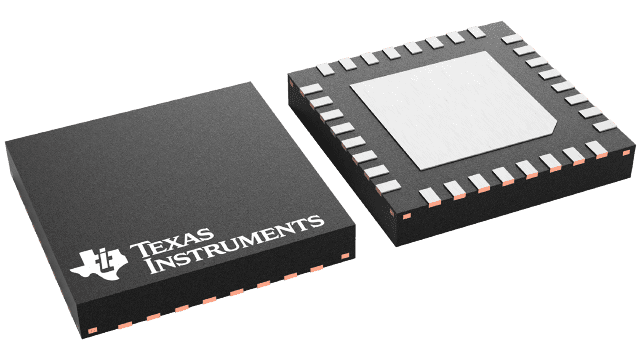
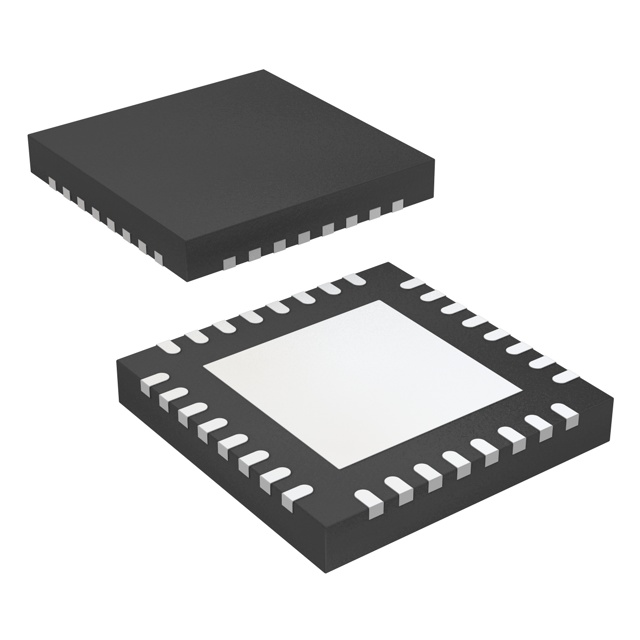
• OIP3 of 48.5 dBm at 200 MHzMaximum Voltage Gain of 26 dBGain Range: 31.5 dB with 0.5-dB Step SizeChannel Gain Matching of ±0.04 dBNoise Figure: 7.3 dB at Maximum Gain–3-dB Bandwidth of 1200 MHzLow Power DissipationIndependent Channel Power DownThree Gain Control Modes:Parallel InterfaceSerial Interface (SPI)Pulse Mode InterfaceTemperature Range: –40°C to +85°CThermally-Enhanced, 32-Pin WQFN PackageOIP3 of 48.5 dBm at 200 MHzMaximum Voltage Gain of 26 dBGain Range: 31.5 dB with 0.5-dB Step SizeChannel Gain Matching of ±0.04 dBNoise Figure: 7.3 dB at Maximum Gain–3-dB Bandwidth of 1200 MHzLow Power DissipationIndependent Channel Power DownThree Gain Control Modes:Parallel InterfaceSerial Interface (SPI)Pulse Mode InterfaceTemperature Range: –40°C to +85°CThermally-Enhanced, 32-Pin WQFN Package
Description
AI
The LMH6521 contains two high performance, digitally controlled variable gain amplifiers (DVGA).
Both channels of the LMH6521 have an independent, digitally controlled attenuator followed by a high linearity, differential output amplifier. Each block has been optimized for low distortion and maximum system design flexibility. Each channel has a high speed power down mode.
The internal digitally controlled attenuator provides precise 0.5-dB gain steps over a 31.5-dB range. Serial and parallel programming options are provided. Serial mode programming uses the SPI interface. A pulse mode is also offered where simple up or down commands can change the gain one step at a time.
The output amplifier has a differential output allowing 10-VPPDsignal swings on a single 5-V supply. The low impedance output provides maximum flexibility when driving filters or analog to digital converters.
The LMH6521 contains two high performance, digitally controlled variable gain amplifiers (DVGA).
Both channels of the LMH6521 have an independent, digitally controlled attenuator followed by a high linearity, differential output amplifier. Each block has been optimized for low distortion and maximum system design flexibility. Each channel has a high speed power down mode.
The internal digitally controlled attenuator provides precise 0.5-dB gain steps over a 31.5-dB range. Serial and parallel programming options are provided. Serial mode programming uses the SPI interface. A pulse mode is also offered where simple up or down commands can change the gain one step at a time.
The output amplifier has a differential output allowing 10-VPPDsignal swings on a single 5-V supply. The low impedance output provides maximum flexibility when driving filters or analog to digital converters.