TPS22810-Q1 Series
Automotive 1-channel, 18-V, 2-A, 79-mΩ load switch with adj. rise time and adj. output discharge
Manufacturer: Texas Instruments
Catalog
Automotive 1-channel, 18-V, 2-A, 79-mΩ load switch with adj. rise time and adj. output discharge
Key Features
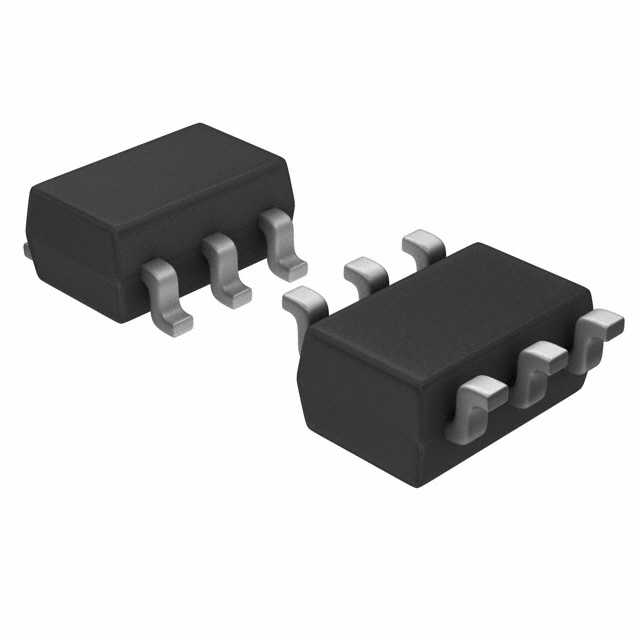
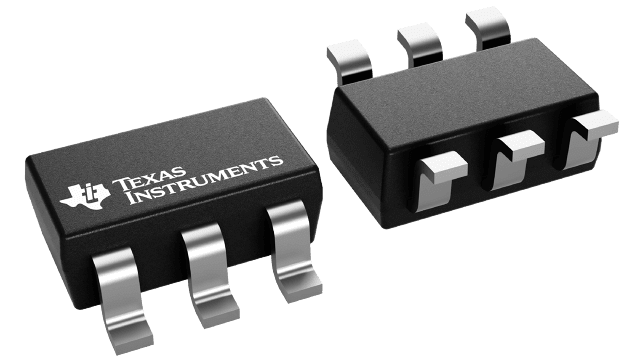
• Qualified for Automotive ApplicationsAEC-Q100 Qualified With the Following Results:Device Temperature Grade 2: –40°C to +105°CAmbient Operating TemperatureDevice HBM ESD Classification Level 2Device CDM ESD Classification Level C5Integrated Single Channel Load Switch2-A Maximum Continuous CurrentInput Voltage: 2.7 V to 18 VAbsolute Maximum Input Voltage: 20 VOn-Resistance (RON)RON= 79 mΩ (Typical) at VIN= 12 VQuiescent Current62 µA (Typical) at VIN= 12 VShutdown Current500 nA (Typical) at VIN= 12 VThermal ShutdownUndervoltage Lock-Out (UVLO)Adjustable Quick Output Discharge (QOD)Configurable Rise Time With CT PinSOT23-6 Package2.9-mm × 2.8-mm, 0.95-mm Pitch,1.45-mm Height (DBV)Qualified for Automotive ApplicationsAEC-Q100 Qualified With the Following Results:Device Temperature Grade 2: –40°C to +105°CAmbient Operating TemperatureDevice HBM ESD Classification Level 2Device CDM ESD Classification Level C5Integrated Single Channel Load Switch2-A Maximum Continuous CurrentInput Voltage: 2.7 V to 18 VAbsolute Maximum Input Voltage: 20 VOn-Resistance (RON)RON= 79 mΩ (Typical) at VIN= 12 VQuiescent Current62 µA (Typical) at VIN= 12 VShutdown Current500 nA (Typical) at VIN= 12 VThermal ShutdownUndervoltage Lock-Out (UVLO)Adjustable Quick Output Discharge (QOD)Configurable Rise Time With CT PinSOT23-6 Package2.9-mm × 2.8-mm, 0.95-mm Pitch,1.45-mm Height (DBV)
Description
AI
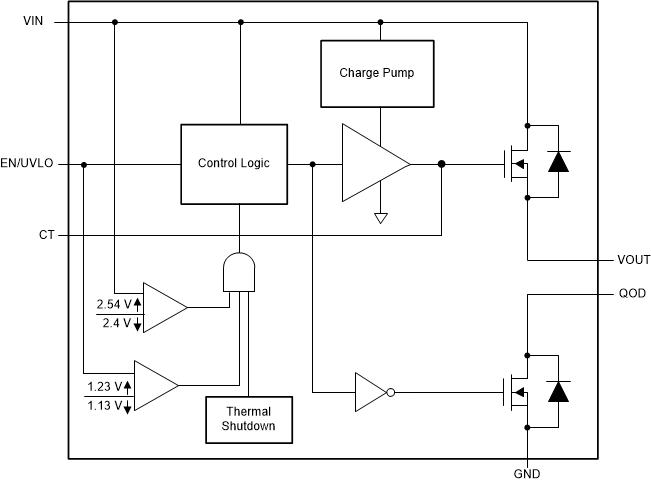
The TPS22810-Q1 is a one channel load switch with configurable rise time and integrated quick output discharge (QOD). The device features thermal shutdown to protect the device against high junction temperature and thereby ensure safe operating area of the device inherently. The device features a N-channel MOSFET that can operate over an input voltage range of 2.7 V to 18 V. The device can support a maximum current of 2 A. The switch is controlled by an on and off input that can interface directly with low-voltage control signals.
The configurable rise time of the device greatly reduces inrush current caused by large bulk load capacitances, thereby reducing or eliminating power supply droop. Undervoltage lock-out is used to turn off the device if the VIN voltage drops below a threshold value, ensuring that the downstream circuitry is not damaged by being supplied by a voltage lower than intended. The configurable QOD pin controls the fall time of the device to allow design flexibility for power down.
The TPS22810-Q1 is available in a leaded, SOT-23 package (DBV) which allows to visually inspect solder joints. The device is characterized for operation over the free-air temperature range of –40˚C to +105˚C.
The TPS22810-Q1 is a one channel load switch with configurable rise time and integrated quick output discharge (QOD). The device features thermal shutdown to protect the device against high junction temperature and thereby ensure safe operating area of the device inherently. The device features a N-channel MOSFET that can operate over an input voltage range of 2.7 V to 18 V. The device can support a maximum current of 2 A. The switch is controlled by an on and off input that can interface directly with low-voltage control signals.
The configurable rise time of the device greatly reduces inrush current caused by large bulk load capacitances, thereby reducing or eliminating power supply droop. Undervoltage lock-out is used to turn off the device if the VIN voltage drops below a threshold value, ensuring that the downstream circuitry is not damaged by being supplied by a voltage lower than intended. The configurable QOD pin controls the fall time of the device to allow design flexibility for power down.
The TPS22810-Q1 is available in a leaded, SOT-23 package (DBV) which allows to visually inspect solder joints. The device is characterized for operation over the free-air temperature range of –40˚C to +105˚C.