Catalog
PCIe® 4.0, 16 Gbps, 8-channel linear redriver
Key Features
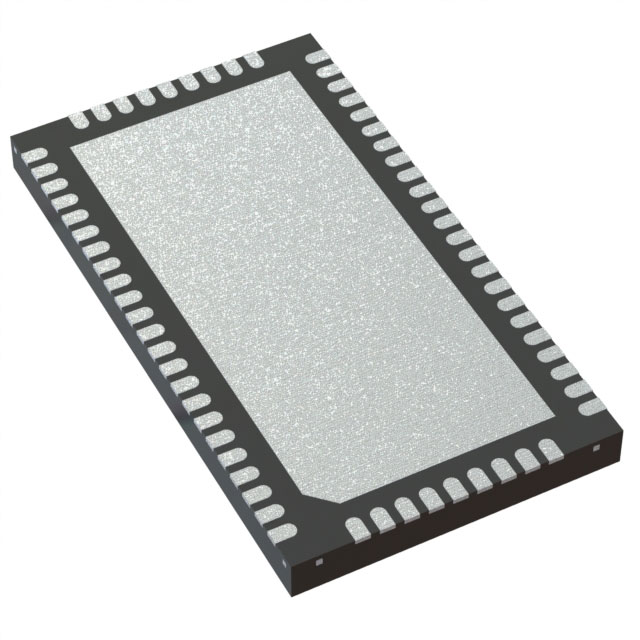
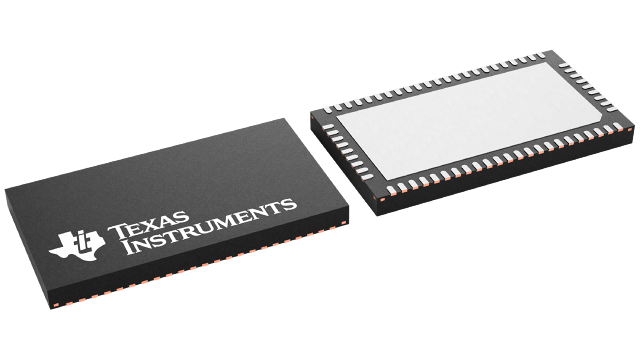
• Eight channel linear equalizer supporting PCIe 4.0 up to 16 GbpsProtocol agnostic linear redriver supporting many high speed interface including UPI, DisplayPort, SAS, SATA, XFIProvides equalization to handle up to 42 dB of PCIe 4.0 channelsCTLE boosts up to 18 dB at 8 GHzUltra-low latency of 90 psLow additive random jitter of 70 fs with PRBS dataSingle 3.3 V supplyLow active power of 107 mW/channelNo heat sink requiredPin-strap, SMBus/I2C or EEPROM programmingAutomatic receiver detection for PCIe use casesSeamless support for PCIe link trainingSupport for x4, x8, x16 PCIe bus width with one or multiple DS160PR810Industrial temperature range of –40°C to 85°C5.5 mm × 10 mm, 64-pin WQFN packageEight channel linear equalizer supporting PCIe 4.0 up to 16 GbpsProtocol agnostic linear redriver supporting many high speed interface including UPI, DisplayPort, SAS, SATA, XFIProvides equalization to handle up to 42 dB of PCIe 4.0 channelsCTLE boosts up to 18 dB at 8 GHzUltra-low latency of 90 psLow additive random jitter of 70 fs with PRBS dataSingle 3.3 V supplyLow active power of 107 mW/channelNo heat sink requiredPin-strap, SMBus/I2C or EEPROM programmingAutomatic receiver detection for PCIe use casesSeamless support for PCIe link trainingSupport for x4, x8, x16 PCIe bus width with one or multiple DS160PR810Industrial temperature range of –40°C to 85°C5.5 mm × 10 mm, 64-pin WQFN package
Description
AI
The DS160PR810 is an eight channel low-power high-performance linear redriver designed to support PCIe 4.0 and Ultra Path Interface (UPI) 2.0 up to 16 Gbps. The device is a protocol agnostic linear redriver that can operate for many differential interfaces.
The DS160PR810 receivers deploy continuous time linear equalizers (CTLE) to provide a high-frequency boost. The equalizer can open an input eye that is completely closed due to inter-symbol interference (ISI) induced by an interconnect medium, such as PCB traces and cables. The linear redriver along with the passive channel as a whole get link trained for best transmit and receive equalization settings resulting in best electrical link and lowest possible latency. Low channel-channel cross-talk, low additive jitter and excellent return loss allows the device to become almost a passive element in the link. The devices has internal linear voltage regulator to provide clean power supply for high speed datapaths that provides high immunity to any supply noise on the board.
The DS160PR810 implements high speed testing during production for reliable high volume manufacturing. The device also has low AC and DC gain variation providing consistant equalization in high volume platform deployment.
The DS160PR810 is an eight channel low-power high-performance linear redriver designed to support PCIe 4.0 and Ultra Path Interface (UPI) 2.0 up to 16 Gbps. The device is a protocol agnostic linear redriver that can operate for many differential interfaces.
The DS160PR810 receivers deploy continuous time linear equalizers (CTLE) to provide a high-frequency boost. The equalizer can open an input eye that is completely closed due to inter-symbol interference (ISI) induced by an interconnect medium, such as PCB traces and cables. The linear redriver along with the passive channel as a whole get link trained for best transmit and receive equalization settings resulting in best electrical link and lowest possible latency. Low channel-channel cross-talk, low additive jitter and excellent return loss allows the device to become almost a passive element in the link. The devices has internal linear voltage regulator to provide clean power supply for high speed datapaths that provides high immunity to any supply noise on the board.
The DS160PR810 implements high speed testing during production for reliable high volume manufacturing. The device also has low AC and DC gain variation providing consistant equalization in high volume platform deployment.